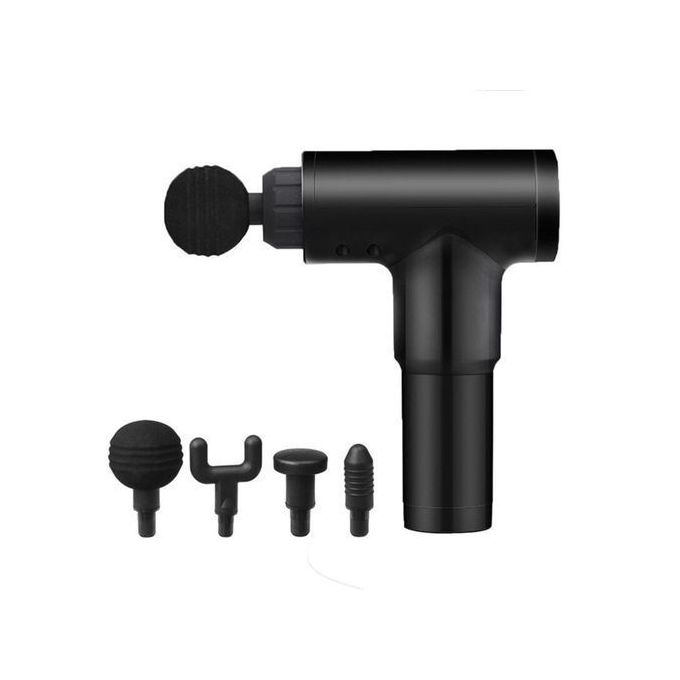
جهاز التدليك
وفر 26%! اشترِ جهاز التدليك بسعر 290 د.ل فقط في ليبيا. متوفر حالياً، الدفع عند ا
🛒 تسوق الآن Libya Press
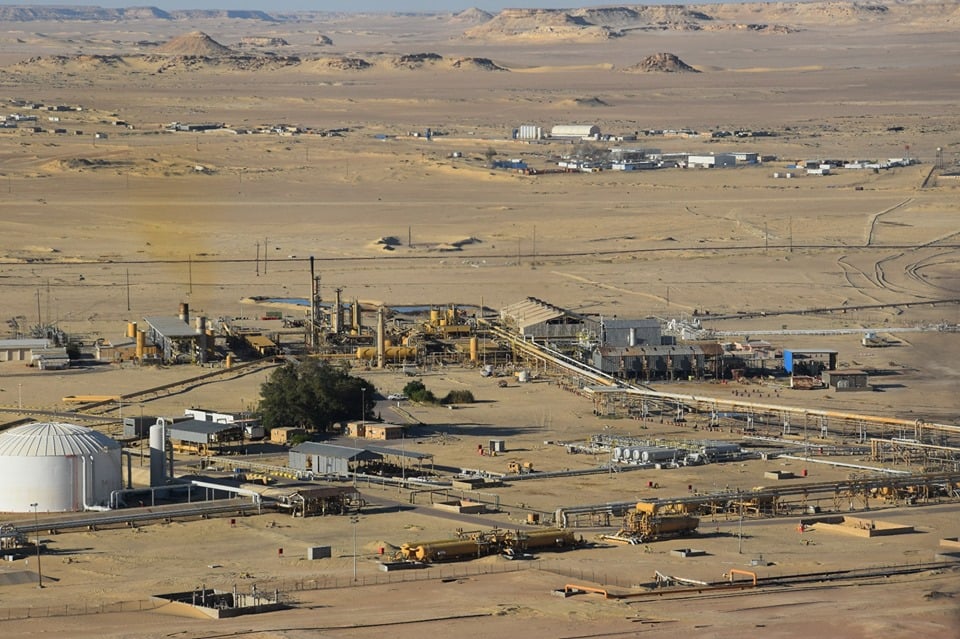
Libya has signed a significant agreement to operate an oil field with reserves approaching 1 billion barrels, marking one of the most consequential energy deals in the country's recent history. The deal, reported on June 10, 2026, signals Libya's determination to revitalize its oil sector and attract international investment into its vast untapped reserves.
The agreement comes at a critical time for Libya, which currently produces approximately 1.2 million barrels per day and holds Africa's largest proven oil reserves at 48.36 billion barrels. The newly contracted field could add substantial output to Libya's production capacity, potentially generating billions in revenue over the life of the project.
Libya has been working aggressively to restore and expand its oil production after years of conflict-related disruptions. The National Oil Corporation (NOC) has prioritized partnerships with international operators to bring advanced extraction technology and capital investment to mature and undeveloped fields alike.
Earlier this year, Libya signed a separate 0 billion oil agreement spanning 25 years, demonstrating the government's long-term commitment to the sector. The country's strategic position as a low-cost producer with proximity to European markets makes it an attractive destination for energy investment.
Energy analysts view the deal as a positive signal for Libya's investment climate. Yaser Nasr, an energy sector observer, noted that agreements of this scale reflect growing international confidence in Libya's operational stability and regulatory framework. "Deals like this don't happen in unstable environments," Nasr stated. "The fact that international partners are committing to billion-barrel fields shows real progress."
The development is expected to create thousands of direct and indirect jobs for Libyan workers, while technology transfer from international operators will build local expertise in advanced oil recovery techniques.
For ordinary Libyans, the oil sector remains the backbone of the national economy, accounting for the vast majority of government revenue and foreign exchange earnings. Every additional barrel produced translates into funding for public services, infrastructure, and social programs.
The deal also carries political significance. Successful international partnerships require stable governance and security conditions, meaning this agreement implicitly reflects improvements in Libya's internal stability. For citizens who have endured years of division and conflict, economic progress driven by oil revenue offers a tangible path toward normalcy and prosperity.
The focus now shifts to implementation. International operators will need to deploy equipment, hire local teams, and begin the technical work of bringing the field to full production. If executed successfully, this deal could serve as a model for future partnerships and help Libya reclaim its position as one of Africa's leading energy producers.
Libya's oil renaissance is gaining momentum — and this latest deal proves the world is paying attention.
— LibyaPress / Economy Desk