
قطاعة خضروات يدوية متعددة الوظائف 4 في 1
وفر 21%! اشترِ قطاعة خضروات يدوية متعددة الوظائف 4 في 1 بسعر 198 د.ل فقط في ليبي
🛒 تسوق الآن Libya Press
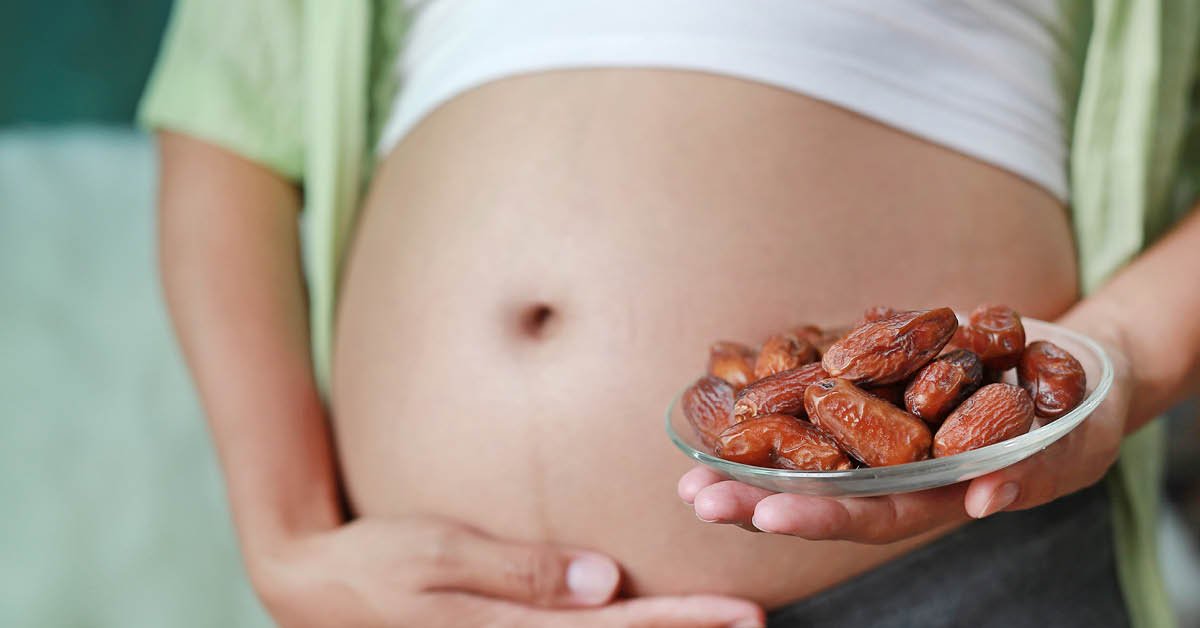
A landmark 2020 clinical study followed 120 pregnant women and found that those consuming 6 dates daily during their final four weeks experienced dramatically better birth outcomes. The date-eating group labored 8.5 hours less than the control group — 6.5 hours versus approximately 15 hours. In a region where dates have been revered since antiquity, modern science is finally catching up to traditional wisdom.
Dates pack extraordinary nutrition: natural sugar for energy, iron to prevent anemia, folate to prevent birth defects like spina bifida, plus potassium, magnesium, and vitamin K. For pregnant women across North Africa, this fruit is both cultural heritage and functional medicine.
Folate is the most critical nutrient in early pregnancy. Dates contain significant amounts of this B-vitamin, preventing neural tube defects including spina bifida. Natural sugars combat the fatigue and nausea that define early pregnancy — eating 2–3 dates on an empty stomach stabilizes blood sugar and reduces morning sickness. The fiber content (6.7g per 100g) supports digestive health when many women experience constipation from rising progesterone levels.
The mother's iron needs nearly double as the fetus enters rapid growth. Dates provide bioavailable iron preventing pregnancy-related anemia — affecting up to 40% of pregnant women in developing countries according to WHO. Potassium (696mg per 100g) supports healthy blood pressure, while magnesium reduces leg cramps and supports fetal skeletal development. Women in their second trimester benefit from 3–4 dates daily as a sustained-energy snack between meals.
This is where the science becomes most compelling. The study showed women consuming 6 dates daily in their final four weeks had a shortened latent phase — reaching full 10cm dilation faster. Sixty percent achieved spontaneous birth without oxytocin augmentation.
Fatty acids in dates stimulate prostaglandin production — compounds essential for cervical ripening and uterine contractions. Dates enhance the body's natural oxytocin response, priming the uterus for efficient labor. Health experts confirmed in early 2026 that dates in the last weeks help improve uterine contractions and facilitate delivery.
Most obstetricians recommend 3–6 dates per day during pregnancy, with the higher range reserved for the final four weeks. Women with gestational diabetes should consult their doctor before increasing intake. Best times include early morning for energy, between meals to curb hunger, or as an evening snack. In Libyan tradition, dates paired with milk or yogurt add protein and calcium to an already nutrient-rich food.
Libya produces some of the finest date varieties in North Africa, and this fruit has been part of maternal nutrition for generations. Libyan healthcare providers increasingly recommend dates as part of prenatal counseling. With anemia rates among pregnant women in North Africa remaining a public health concern, incorporating affordable, locally available dates into daily diets represents a practical, culturally appropriate intervention. Whether from Tripoli, Benghazi, or Sabha, Libyan dates offer the same evidence-backed benefits documented internationally.
From folate in the first trimester to prostaglandin support in the final weeks, dates offer trimester-specific benefits backed by clinical research and centuries of traditional use. Affordable, accessible, and deeply rooted in Libyan food culture — every pregnant woman deserves to know what this remarkable fruit can do. Start with just a few dates at tomorrow morning's breakfast.
— LibyaPress / Women's Health Desk