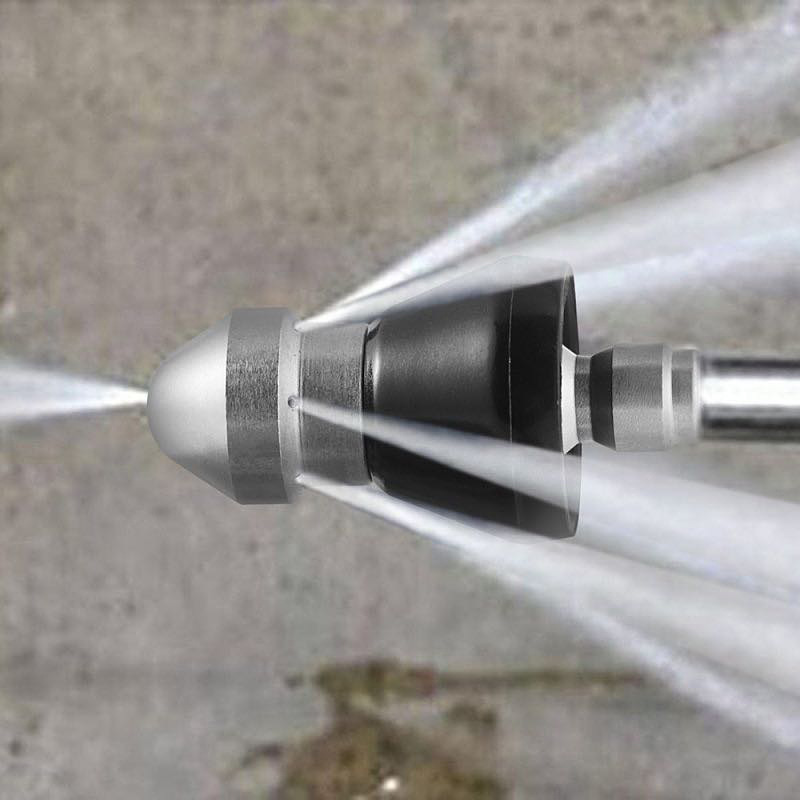
أداة تنظيف الصرف
وفر 22%! اشترِ أداة تنظيف الصرف بسعر 219 د.ل فقط في ليبيا. متوفر حالياً، الدفع ع
🛒 تسوق الآن Libya Press
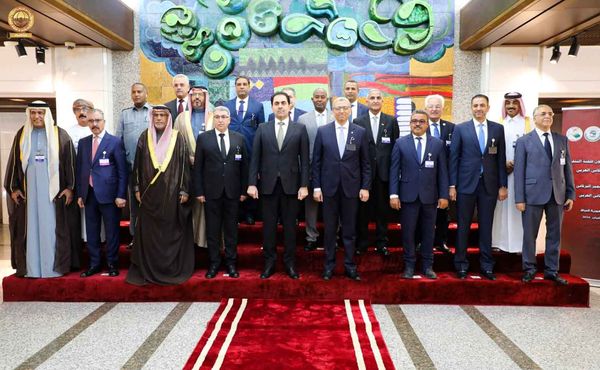
Libya's presence in regional parliamentary diplomacy took a significant step forward today, June 11, 2026, as member of the House of Representatives Dr. Abd al-Salam Nasiya participated via video link in the 42nd session of the Arab Parliamentary Union Executive Committee. The session addressed multiple files on its agenda, including an initiative to strengthen joint parliamentary cooperation within the framework of the Union of Councils of Member States of the Organization of Islamic Cooperation (OIC).
The Executive Committee also reviewed a request from the Parliamentary Assembly of the Commonwealth of Independent States (CIS) to grant the Arab Parliamentary Union observer status. Additionally, the committee examined the General Secretariat's report on the work of the previous two sessions, discussed the Diplomatic Committee's report on proposed amendments to the emergency item voting mechanism, and followed up on procedures for nominating the Arab group's candidate for the presidency of the Inter-Parliamentary Union (IPU).
The participation comes as Libya's House of Representatives intensifies its parliamentary and diplomatic activities in preparation for the 2nd General Conference of the Asian-African Parliamentary Council, scheduled to convene in Benghazi on June 15–16, 2026. The conference is expected to bring together delegations from across Asia and Africa, marking a significant moment for Libya's international parliamentary engagement.
In a parallel diplomatic move, Chairman of the Foreign Affairs and International Cooperation Committee at the House of Representatives, Youssef al-Aguori, held a meeting in Benghazi with the Acting Minister of Foreign Affairs and International Cooperation, Dr. Abdul Hadi al-Hweij. The two sides discussed several files related to developing diplomatic work and enhancing coordination between the legislative and executive branches.
The meeting between al-Aguori and al-Hweij also addressed the progress of work at the Ministry of Foreign Affairs, including administrative and political procedures. The two sides discussed completing amendments to Law No. 2 of 2001 concerning political and consular work, which aims to develop institutional performance and achieve equal opportunities among ministry staff.
Both officials emphasized the importance of continued coordination between the House of Representatives and the Foreign Ministry to support national objectives and enhance the effectiveness of Libyan diplomacy. Al-Aguori stressed that parliamentary friendship committees play a vital role in strengthening bilateral relations with various countries and expanding areas of parliamentary cooperation.
On the security front, the Head of the Presidential Security Agency Brigadier General Raef Ghaidan held an expanded security meeting with representatives from the General Intelligence Agency, the Internal Security Agency, the Criminal Investigation Department, and the Benghazi Security Directorate. The meeting reviewed the security plan for protecting delegations at the Asian-African Parliamentary Council conference, ensuring all arrangements are in place for the safety of participants.
Libya's active participation in the Arab Parliamentary Union Executive Committee reflects the country's growing re-engagement with regional and international parliamentary institutions. With the Benghazi conference just four days away, these diplomatic efforts signal Libya's commitment to playing a constructive role in multilateral parliamentary diplomacy. The outcomes of the Executive Committee session — particularly the IPU presidency nomination and voting mechanism reforms — could shape the future direction of Arab parliamentary cooperation for years to come.
As Libya prepares to host one of the most significant parliamentary events in the region, the coordination between legislative and executive branches, combined with robust security planning, will be critical to ensuring the success of the Benghazi conference and reinforcing Libya's position on the international stage.
— LibyaPress / Politics Desk