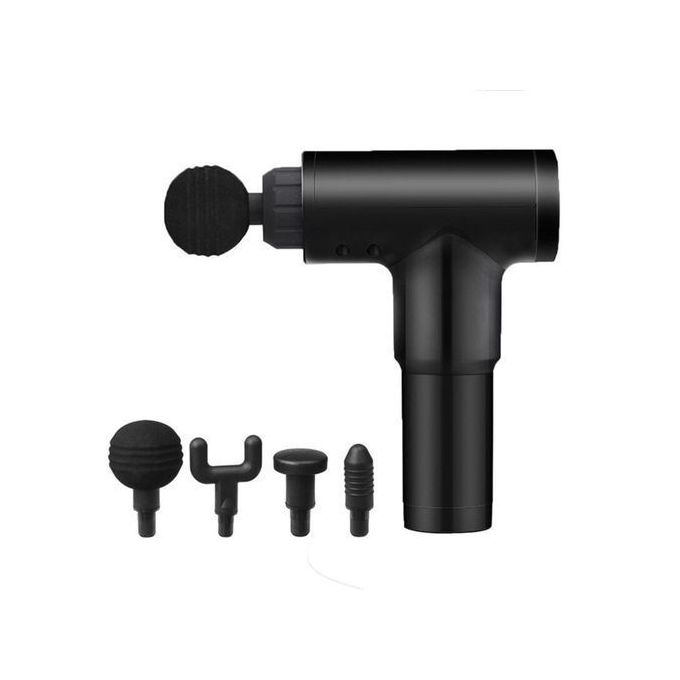
قطاعة الخضر
وفر 22%! اشترِ قطاعة الخضر بسعر 250 د.ل فقط في ليبيا. متوفر حالياً، الدفع عند ال
🛒 تسوق الآن Libya Press
The National Meteorology Centre in Libya has issued its daily marine fishing bulletin for Thursday, June 11, 2026, confirming that all Libyan coastlines are free from maritime warnings. The bulletin, valid from 09:00 local time Thursday through 12:00 UTC Friday, reports generally stable sea conditions and good visibility across both the western and eastern coastal stretches. The forecast provides critical guidance for the thousands of fishermen and maritime workers who depend on daily weather updates along Libya's 1,770-kilometre Mediterranean coastline.
Along the western coast, stretching from Ras Ajdir to Sirte, the sky is expected to be clear to partly cloudy. Winds will blow from the northwest to northeast, ranging between 5 and 20 knots. On the Misrata coast specifically, winds will be easterly during the day before shifting to northwesterly (known locally as "Shalouq") from Tripoli to Sirte by Friday. Wave heights are forecast between 0.50 and 2.00 metres, with sea conditions ranging from light waves to slightly disturbed by Friday. Sea surface temperatures will hold between 23 and 24 degrees Celsius, and visibility remains good throughout the period.
The eastern coast, from Ras Lanuf to Amsaad, will experience similarly calm conditions. Skies will be clear to partly cloudy, with variable winds shifting to northwesterly at speeds between 5 and 15 knots. Wave heights will range from 0.25 to 1.00 metres, making for calm to light wave conditions. Sea surface temperatures match the western coast at 23 to 24 degrees Celsius, with good visibility across the entire eastern stretch. These conditions are particularly favourable for small fishing vessels operating out of Benghazi, Tobruk, and Derna.
While the overall forecast remains positive, the meteorology centre has issued a specific warning for the Al Khums coastline, where active northwesterly "Shalouq" winds are expected to reach speeds of up to 25 knots on Thursday. Fishermen operating in the Al Khums area, located approximately 120 kilometres east of Tripoli, should exercise caution and monitor conditions closely. This localized warning does not affect the broader coastal forecast, which remains stable for the rest of the western and eastern shores. Sea surface temperatures across both coasts range between 21 and 23 degrees Celsius, comfortable for maritime activity.
Weather bulletins from the National Meteorology Centre are essential for Libya's coastal communities, where fishing and maritime trade remain vital economic activities. Libya's Mediterranean coastline stretches over 1,770 kilometres, supporting thousands of families who depend on daily sea condition reports. The current stable forecast is welcome news after periods of unpredictable weather that have disrupted fishing schedules in recent weeks. For residents of Tripoli, Benghazi, Misrata, and smaller coastal towns, these bulletins are not just weather reports — they are daily decision-making tools that affect livelihoods, safety, and food supply chains across the country.
— LibyaPress / Libya Desk