
سكاكين الطبخ
وفر 24%! اشترِ سكاكين الطبخ بسعر 260 د.ل فقط في ليبيا. متوفر حالياً، الدفع عند ا
🛒 تسوق الآن Libya Press
Algerian cuisine, one of the richest culinary traditions in North Africa, remains surprisingly underexplored despite its enormous potential. According to experts, only about 50 percent of Algeria's traditional dishes have been identified and documented — the rest are still hidden across the country's vast territories. From coastal cities to the Sahara, each of Algeria's 58 provinces holds unique recipes passed down through generations, representing a living archive of flavor, culture, and identity.
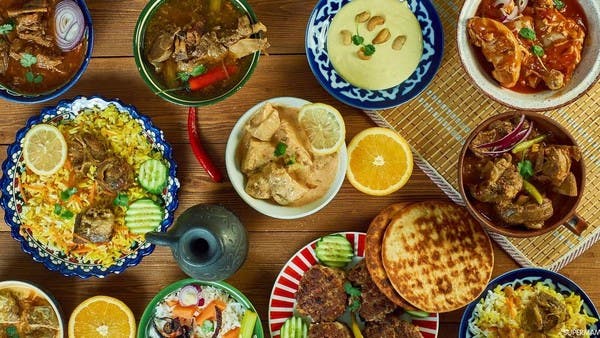
Renowned chef Saida Ben Brim, who has spent decades judging cooking competitions and preserving traditional recipes, says the defining characteristic of Algerian cuisine is el-benna — the distinctive taste that sets every dish apart. "We have meats prepared with lamb, chicken, or a combination of both," she told El Massa newspaper. "The variety of white and red meat sources adds incredible richness and depth of flavor." Couscous alone has countless regional variations, from fish-based versions on the coast to lamb-and-vegetable preparations in the highlands.
A new generation of Algerians is driving unprecedented interest in traditional cooking. Culinary training centers are seeing record enrollment from young men and women. "My own grandson, a secondary school student, decided after his baccalaureate to specialize in the culinary arts," Ben Brim shared. "This generation is aware and genuinely wants to learn." Social media has amplified this trend, with millions of Algerians sharing traditional recipes and cooking tutorials across Instagram, TikTok, and Facebook.
Ben Brim supports innovation in presentation but warns against sacrificing authentic flavors. "Some people have lost the original taste by focusing too much on form," she cautioned. The core principle is clear: Algerian recipes must be preserved in their original essence. Substituting almonds for walnuts in traditional sweets like samssa fundamentally changes the flavor profile — a compromise purists refuse to make. The balance between modern presentation and authentic taste is the central challenge facing Algerian culinary professionals today.
Algerian cuisine's story resonates across the Maghreb, including Libya, where shared Berber, Arab, Andalusian, and Ottoman culinary roots create a common food heritage. Libyan and Algerian cuisines share fundamental dishes — couscous, bradj pastries, makroud, and chorba soups — reflecting centuries of cultural exchange. The movement in Algeria to document and preserve traditional cuisine serves as an important model for Libya and neighboring nations seeking to protect their own culinary heritage in an era of globalization.
— LibyaPress / Entertainment Desk