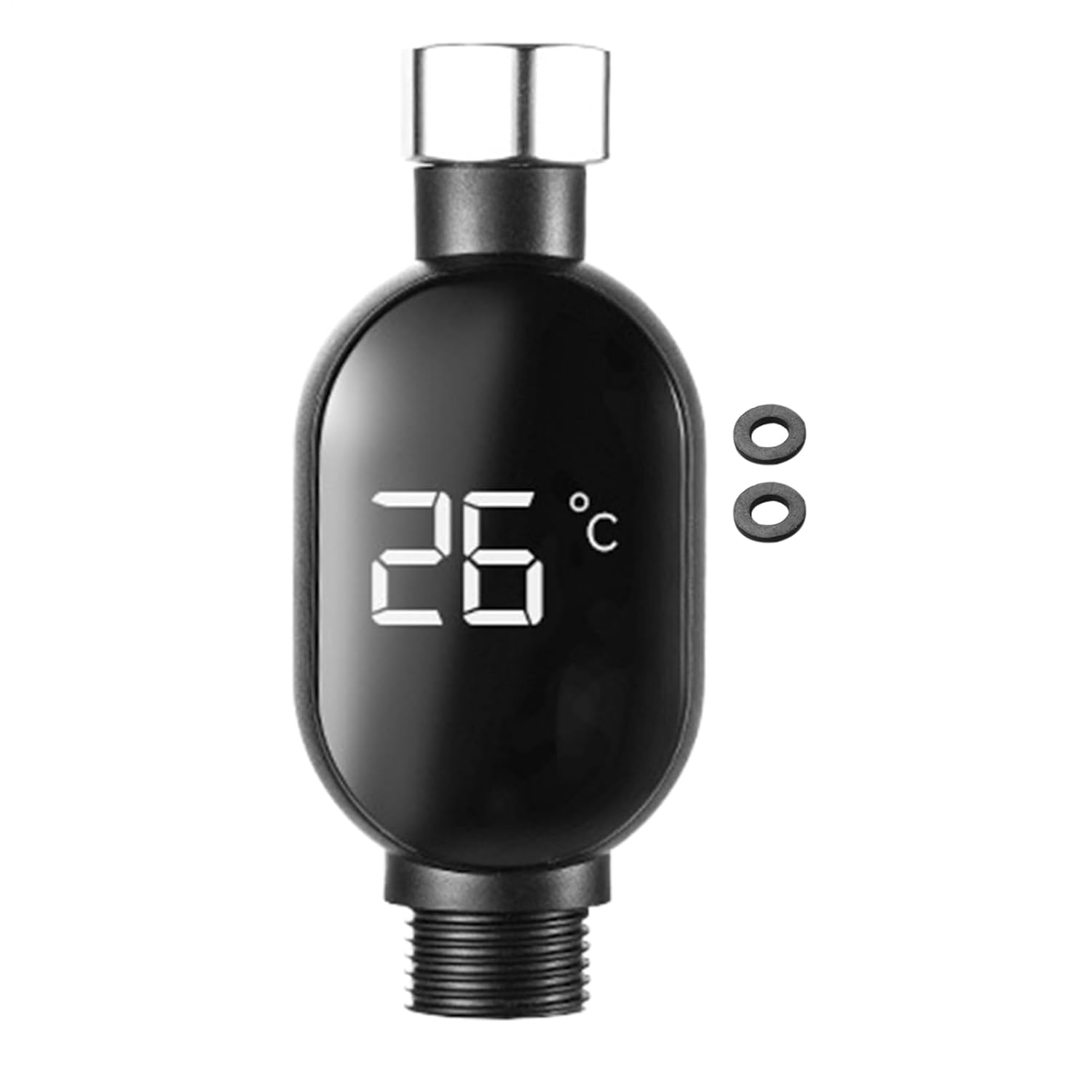
جهاز مراقبة درجة حرارة تدفق المياه
وفر 35%! اشترِ جهاز مراقبة درجة حرارة تدفق المياه بسعر 163.2 د.ل فقط في ليبيا. م
🛒 تسوق الآن Libya Press
The Civil Society Commission of the Presidency Council organized a pivotal dialogue session on irregular migration in Benghazi, bringing together stakeholders from government agencies, international organizations, and civil society actors. The session concluded with 15 key recommendations, most notably the urgent preparation of a comprehensive national strategy to manage the file of irregular migration and the strengthening of border security across Libya's vast frontiers.
Held in the capital of eastern Libya, the dialogue session convened under the direct auspices of the Presidency Council's Civil Society Commission, signaling the highest level of governmental attention to a crisis that has gripped the North African nation for over a decade. Participants included representatives from the International Organization for Migration, local municipal leaders, security officials specializing in border control, and dozens of civil society organizations operating across Libya's coastal and southern regions.
The session comes amid a sharp escalation in irregular migration flows through Libya, which remains both a transit and destination country for migrants from sub-Saharan Africa and the Middle East. According to the International Organization for Migration, Libya continues to host a significant population of migrants in detention centers and urban settings, with conditions that have drawn repeated condemnation from human rights organizations worldwide.
Speakers at the session emphasized that irregular migration into and through Libya is driven by a complex web of factors, including armed conflict in the Sahel region, economic collapse in sub-Saharan African nations, and the persistent political instability within Libya itself. Participants noted that smuggling networks have exploited Libya's fragmented governance structures to operate with near impunity, generating billions of dollars in illicit revenue annually.
A representative from a Benghazi-based humanitarian organization, who spoke on condition of anonymity due to the sensitivity of the issue, stated: "We see every day the human cost of inaction — families arriving after weeks in the desert, children separated from parents, and vulnerable people falling into the hands of traffickers. This dialogue must translate into concrete action on the ground, not just recommendations on paper."
For Libyans, the irregular migration crisis is not a distant or abstract issue — it directly affects national security, public health, local economies, and social fabric. Coastal communities from Tripoli to Benghazi bear the brunt of migration flows, while southern cities like Sebha and Kufra have become epicenters of smuggling activity that destabilizes traditional tribal structures and introduces weapons, drugs, and armed groups into previously stable areas.
The economic impact is equally significant. Irregular migration strains already overburdened public services, from hospitals to schools, and creates labor market distortions that undercut Libyan workers. A comprehensive national strategy, as recommended by the session participants, would address these challenges through coordinated border management, development programs in southern Libya, and international partnerships with countries of origin and transit.
The 15 recommendations now before the Presidency Council represent a critical opportunity to move from fragmented, ad hoc responses to a unified national approach. Analysts note that previous attempts to develop a national migration strategy stalled due to political divisions between eastern and western Libyan authorities, making the Presidency Council's direct involvement a potentially decisive factor.
The coming weeks will test whether the political will exists to translate these recommendations into policy. The Presidency Council is expected to review the recommendations and refer relevant items to the Government of National Unity for implementation. International partners, including the European Union and the United Nations, have signaled readiness to provide technical and financial support for a credible national strategy.
For Libya's civil society, the session marks a milestone — proof that structured dialogue can produce actionable outcomes even in the most challenging policy domains. The world is watching, and more importantly, millions of Libyans are watching, hoping that this time the promises will lead to real change.
— LibyaPress / Politics Desk