
كوب قهوة بغطاء
وفر 41%! اشترِ كوب قهوة بغطاء بسعر 158.02 د.ل فقط في ليبيا. متوفر حالياً، الدفع
🛒 تسوق الآن Libya Press
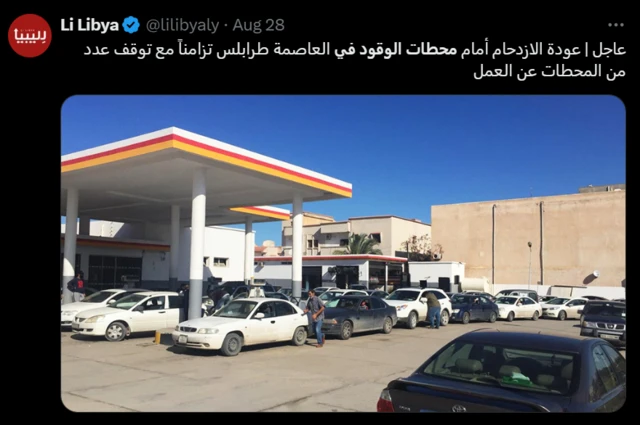
Residents across southern Libya are enduring compounding crises as fuel queues stretch for hours and power outages paralyze daily life, deepening the suffering of millions who already struggle to access basic services. The simultaneous collapse of two essential infrastructure systems — fuel supply and electricity — has created what local observers describe as an unprecedented strain on civilian life in the region.
The fuel crisis has hit cities and towns across Libya's south particularly hard, with some residents reporting waits of several hours at filling stations. The shortage comes amid repeated announcements from the General Electricity Company of Libya, which has acknowledged losing significant production capacity due to disruptions in fuel supply chains that feed the nation's power plants.
The convergence of fuel shortages and electricity blackouts has created a vicious cycle across southern Libyan communities. Without reliable power, fuel distribution systems themselves face operational challenges, while citizens who queue for fuel often return home to neighborhoods that have been without electricity for extended periods throughout the day.
The General Electricity Company has issued multiple statements in recent weeks warning of widening gaps between generation capacity and consumer demand. The company has pointed directly to insufficient fuel deliveries as the primary cause of the deteriorating service, highlighting the interconnected nature of Libya's energy infrastructure failures.
For ordinary Libyans in the south, the daily reality involves difficult choices between spending hours in fuel queues or risking empty tanks, all while homes and businesses remain subject to unpredictable power cuts. The situation has placed particular strain on families with limited income, small business owners who depend on electricity for operations, and medical facilities struggling to maintain services during extended outages.
Reports from local communities indicate that the fuel crisis has also driven increases in black market fuel prices, placing additional financial pressure on households already grappling with rising costs of basic goods and services.
The deepening fuel and electricity crisis in southern Libya is not an isolated regional issue — it reflects systemic failures that threaten stability across the entire country. Libya's economy depends heavily on energy infrastructure, and prolonged disruptions to power generation and fuel distribution risk widening inequalities between regions and fueling social tensions.
International organizations, including the UN, have previously warned that deteriorating public services in Libya could trigger displacement and deepen humanitarian needs. The current dual crisis underscores the urgency of addressing governance gaps in the energy sector and ensuring equitable resource distribution across all Libyan territories.
Residents and local officials are calling for immediate intervention to stabilize fuel supplies and restore consistent electricity generation. Solutions will require coordinated efforts between national authorities, the General Electricity Company, and fuel distribution entities to address both the immediate shortages and the underlying infrastructure weaknesses that perpetuate these recurring crises.
For millions of Libyans, the path forward depends on whether meaningful action can translate into shorter queues, restored power, and a future where basic services no longer require hours of daily sacrifice.
— LibyaPress / Economy Desk
===END_ENGLISH===