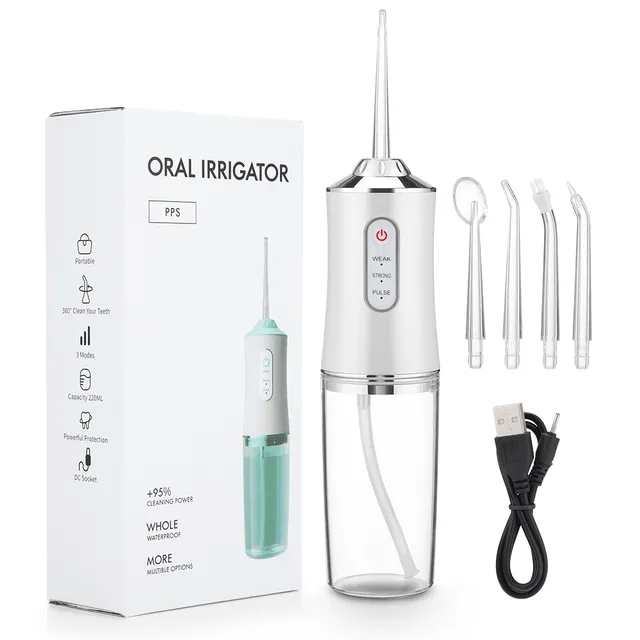
جهاز تنظيف الأسنان بالماء
وفر 48%! اشترِ جهاز تنظيف الأسنان بالماء بسعر 167.04 د.ل فقط في ليبيا. متوفر حال
🛒 تسوق الآن Libya Press
A new cross-sectional survey conducted in Az-Zawiyah City, Libya, has revealed significant insights into public perceptions regarding the ideal age for initiating orthodontic treatment. The study, published in the AlQalam Journal of Medical and Applied Sciences (Volume 9, Issue 6, 2026), highlights a growing awareness among Libyan families about the importance of early dental intervention.
The research was carried out by a team led by Rema Hwas from the Department of Orthodontics, alongside co-authors Samar Dakhil and Lujayn Rezq Allah. The survey targeted the general population of Az-Zawiyah, one of Libya's major coastal cities, to assess community knowledge and attitudes toward orthodontic care timing.
Dr. Rema Hwas, lead researcher from the Department of Orthodontics, emphasized the importance of community education on orthodontic timing. "Understanding public perceptions is the first step toward designing effective awareness campaigns. Many families in Libya are unaware that early orthodontic assessment — ideally around age 7 — can prevent more complex and costly treatments later in life," Hwas stated.
The research underscores a critical gap between professional dental recommendations and public awareness. International orthodontic associations worldwide recommend that children receive their first orthodontic evaluation by age 7, yet many Libyan families delay consultation until adolescence or adulthood.
This survey carries particular significance for Libya's healthcare landscape. As the country continues to rebuild its medical infrastructure following years of conflict, understanding public health perceptions becomes essential for effective policy-making. Dental health awareness campaigns in Libya can benefit directly from such data-driven research.
Az-Zawiyah City, located approximately 45 kilometers west of Tripoli, serves as an important urban center with a population that reflects broader Libyan demographic trends. Findings from this survey can inform national dental health strategies and help allocate resources for orthodontic services across Libyan cities.
The study also aligns with broader regional efforts to improve healthcare education in North Africa, where access to specialized dental care remains limited in many areas.
The research team plans to expand the survey to other Libyan cities, including Tripoli, Benghazi, and Misurata, to build a comprehensive national picture of orthodontic awareness. Such expanded research could guide the Libyan Ministry of Health in developing targeted public education programs.
For Libyan families, the message is clear: early orthodontic assessment can lead to better outcomes, reduced treatment costs, and improved quality of life. As awareness grows through studies like this one, more Libyan children may benefit from timely dental interventions that set the foundation for lifelong oral health.
— LibyaPress / Libya Desk
===END_ENGLISH===