
قطاعة خضراوات متعددة الوظائف 9 في 1 مع سلة تصفية
وفر 24%! اشترِ قطاعة خضراوات متعددة الوظائف 9 في 1 مع سلة تصفية بسعر 186.24 د.ل
🛒 تسوق الآن Libya Press
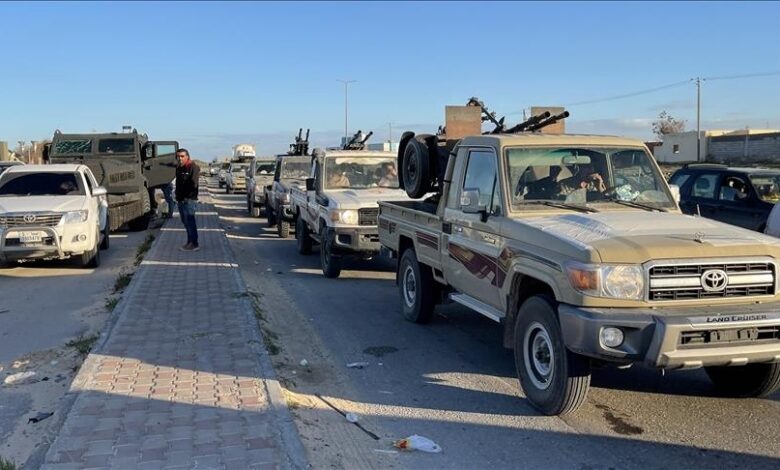
A significant armed escalation erupted in southern Libya today, disrupting the path toward de-escalation at a critical moment when the country was making measurable progress in security sector reform. The operation, which involved multiple armed factions, has raised concerns among international observers and Libyan officials alike about the stability of the region and the broader implications for national reconciliation efforts.
The armed operation targeted key positions in southern Libya, an area that has long been a flashpoint for tribal tensions and armed group activity. According to reports from Reuters and local security sources, the clashes involved at least 8 armed groups operating across the region. The operation disrupted supply routes and forced the temporary closure of 3 major checkpoints along the southern corridor, affecting the movement of goods and civilians alike.
Security analysts noted that the timing of the escalation is particularly concerning, as Libya had been experiencing a period of relative calm in recent weeks. The United Nations Support Mission in Libya (UNSMIL) had been actively facilitating dialogue between rival factions, and preliminary agreements on military unification were reportedly close to being finalized.
Libya enters this latest crisis trapped in a long transition failure that began after the fall of Muammar Gaddafi in 2011. The country's conflict has evolved from a centralized civil war into a complex web of localized armed groups, tribal militias, and foreign-backed factions. According to African Security Analysis, the current risk profile is characterized by localized escalation rather than nationwide conflict, but the southern region remains uniquely vulnerable.
The southern Fezzan region, spanning approximately 986 kilometers of desert terrain, has historically been difficult to govern. Its vast borders with Chad, Niger, and Sudan make it a transit zone for smuggling networks and armed groups. The region's 89 registered tribal communities often find themselves caught between competing national authorities and external actors.
Local residents expressed deep frustration with the renewed violence. "We were finally beginning to see hope for stability in our region, and now everything is at risk again," said Ahmed Al-Mahjoub, a community leader in Sebha. "The armed groups must understand that ordinary Libyans are paying the price for their conflicts." His words reflect a broader sentiment among southern Libyan communities who have borne the brunt of repeated cycles of violence.
The escalation in southern Libya is not a distant regional issue — it has direct consequences for the entire country. The south serves as Libya's agricultural heartland and hosts critical oil infrastructure that feeds into national revenue streams. Any disruption in the south reverberates through fuel prices, food security, and economic stability in Tripoli, Benghazi, and beyond.
Furthermore, the failure to maintain de-escalation in the south undermines international confidence in Libya's ability to manage its own security. This could delay the withdrawal of foreign forces and complicate the timeline for national elections that the UN has been pushing for. For ordinary Libyans, the stakes could not be higher: every day of instability is a day lost in building the institutions and infrastructure the country desperately needs.
Despite the current setback, diplomatic channels remain open. UNSMIL has called for an immediate ceasefire and renewed commitment to dialogue. The international community, including the EU and key regional partners, has expressed willingness to support mediation efforts. Libya's neighbors have a vested interest in southern stability, and coordinated pressure could help bring armed groups back to the negotiating table.
The resilience of Libyan communities in the south offers a foundation for hope. With sustained international support and genuine political will from Libyan leaders, the path toward de-escalation can be rebuilt — stronger and more inclusive than before.
— LibyaPress / Security Desk
===END_ENGLISH===