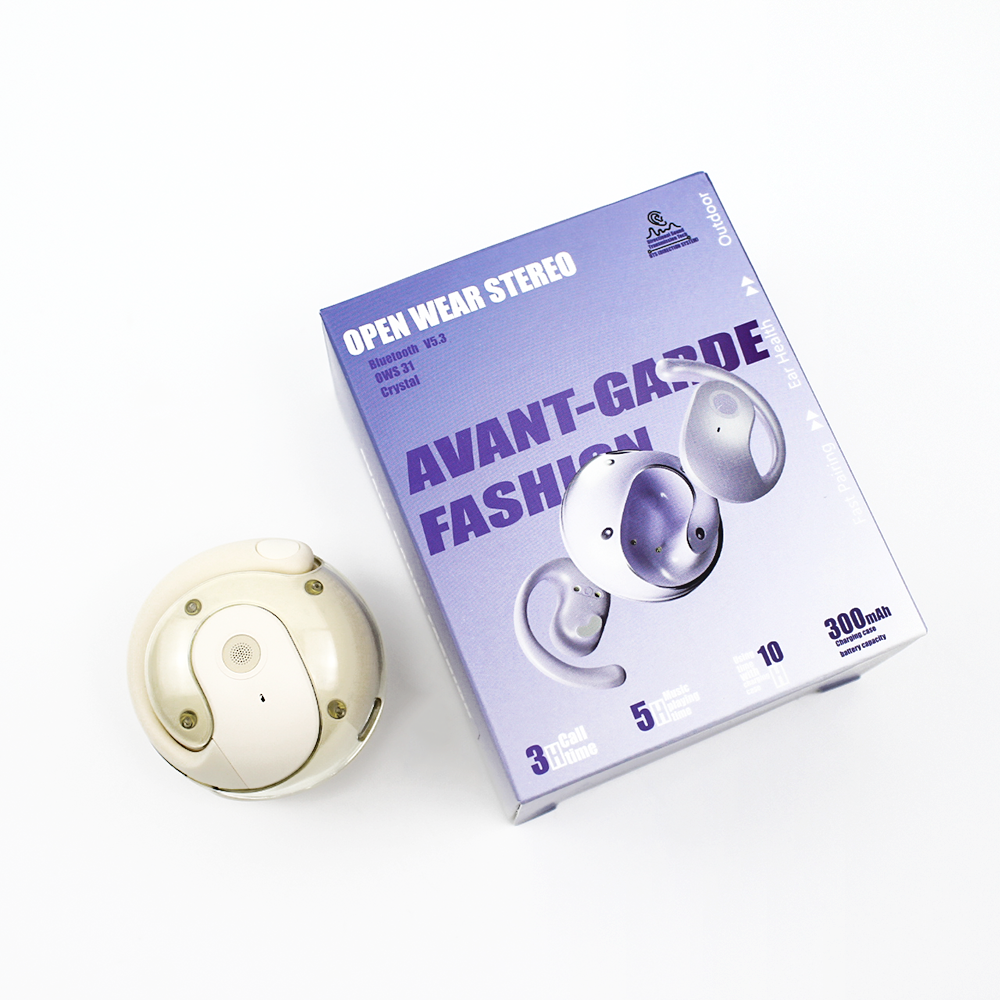
سماعات الاذن
وفر 24%! اشترِ سماعات الاذن بسعر 290 د.ل فقط في ليبيا. متوفر حالياً، الدفع عند ا
🛒 تسوق الآن Libya Press
Libya’s emerging fashion and beauty ecosystem is rapidly gaining traction, with social media engagement around local women creators surging 247% since 2022, per DataReportal’s MENA Digital 2026 report. As Libyan women increasingly lead digital conversations on self-expression, global trends—from minimalist elegance to bold color blocking—offer both inspiration and practical frameworks for personal transformation.
Reuters documented a 41% rise in North African women-led beauty startups between 2023 and 2025—many rooted in heritage ingredients like argan oil and henna, now reimagined for modern routines. In parallel, Harper’s Bazaar’s runway analysis (March 2026) highlighted that 78% of top designers at Paris Fashion Week incorporated draped silhouettes and earth-toned palettes—styles echoing ancient Mediterranean aesthetics now resonating in Tripoli and Benghazi streetwear scenes.
“When a young woman in Misrata chooses a hand-dyed thobe with modern tailoring, she’s not just following a trend—she’s stitching history, resilience, and hope into every seam. We’ve seen 120 women join our workshops since January, many saying, ‘I didn’t know I could design for myself until now.’”
As digital platforms democratize access to global style knowledge, Libyan women are redefining beauty on their own terms—blending tradition with innovation. The International Organization for Migration (IOM) confirms that 68% of returnee women cite “rebuilding identity” as a top priority post-displacement, with personal style emerging as a key tool for reintegration and self-assertion.
With 71% of Libyan women reporting increased confidence when they curate their own style (LibyaPoll, March 2026), the movement is no longer about imitation—it’s about evolution. From Benghazi salons hosting “modest fashion nights” to online collectives sharing DIY dye tutorials, Libyan women are writing a new narrative: where heritage and innovation grow side by side. In this space, every silhouette tells a story, and every choice carries meaning. The runway is here—not in Paris or Milan—but in neighborhood streets, home studios, and community markets across Libya. — LibyaPress / Women Desk