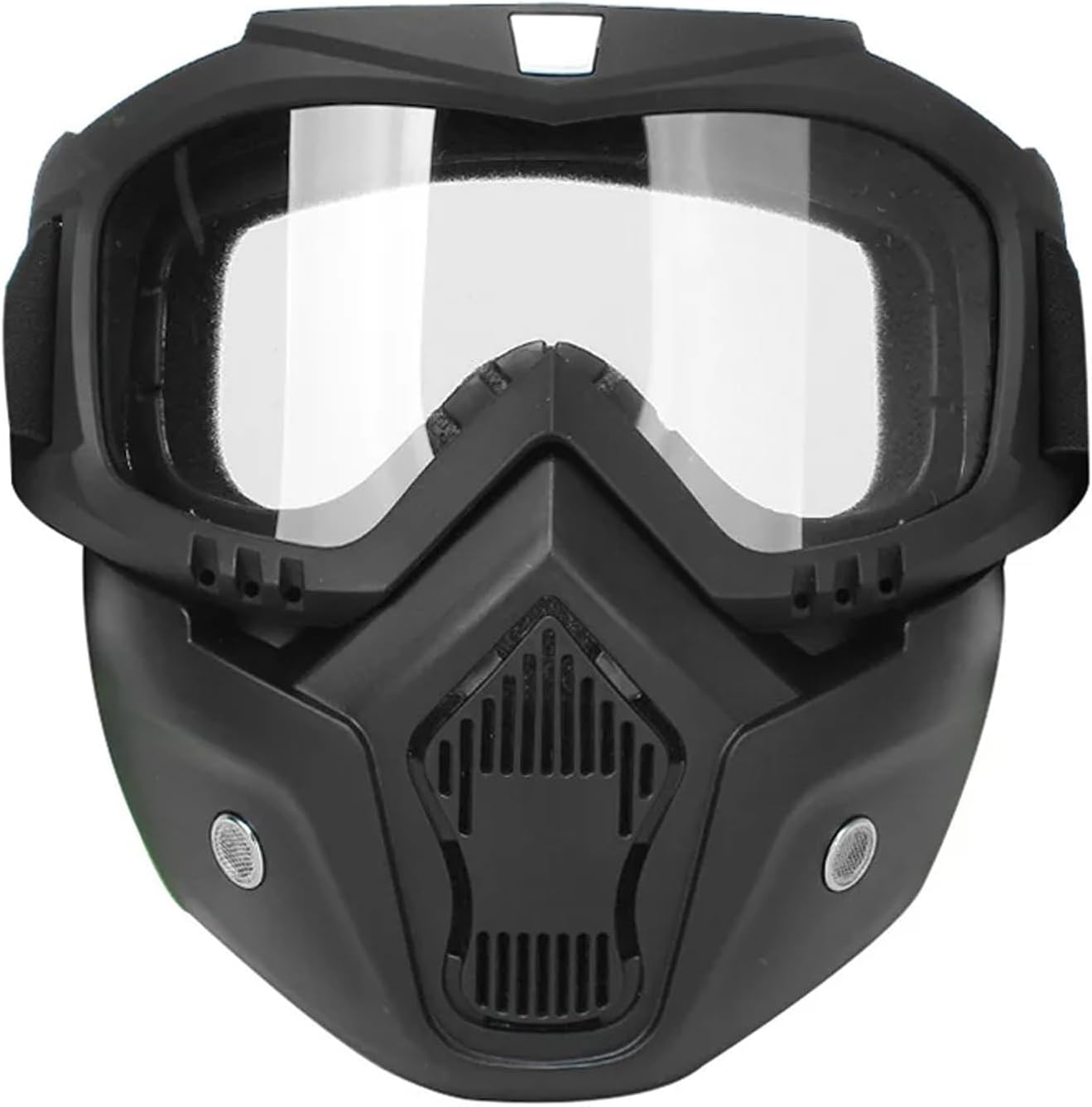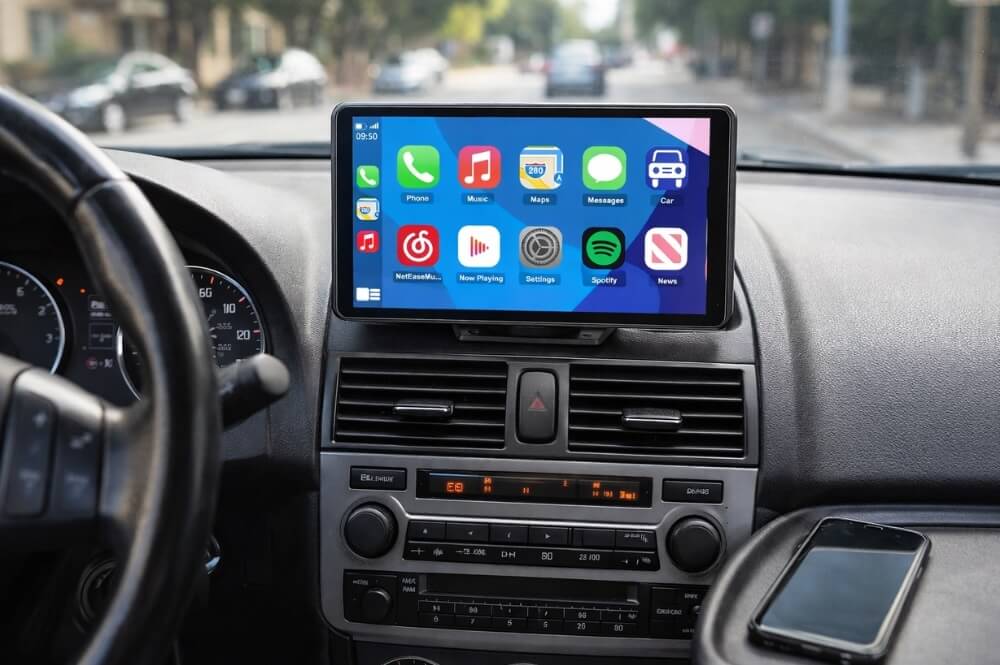
شاشة سيارة لاسلكية
وفر 25%! اشترِ شاشة سيارة لاسلكية بسعر 1099 د.ل فقط في ليبيا. متوفر حالياً، الدف
🛒 تسوق الآن Libya Press
Libya's cosmetics market reached $505.6 million in 2025, with skincare commanding 40% of total sales — the largest segment by far. According to IndexBox's 2026 Libya Cosmetics Market Report, the sector is projected to hit $765.3 million by 2032, growing at a compound annual rate of 6.1%. This surge is fueled by rising consumer awareness, particularly among younger Libyans embracing preventive skincare long before visible signs of aging appear.
At the center of this shift is "prejuvenation" — a prevention-first philosophy that Fashion Times has identified as the leading skincare trend of 2026. Rather than chasing quick fixes after wrinkles emerge, prejuvenation encourages building consistent, science-backed routines early to preserve skin health over decades.
Prejuvenation refers to proactive skincare practices designed to maintain youthful-looking skin before significant aging signs develop. Dermatologists increasingly describe it as an investment in future skin quality — not a race against time.
The approach has gained traction among users in their 20s and 30s who understand that daily habits today shape skin resilience tomorrow. Unlike traditional anti-aging products that focus on correcting visible damage, prejuvenation shifts the timeline entirely: protect first, correct never.
The five pillars of prejuvenation include:
Closely linked to prejuvenation is skin longevity — a framework that goes far beyond reducing wrinkles. It focuses on preserving the skin's ability to function effectively over time: protecting against environmental stressors, retaining moisture, supporting natural healing, and maintaining overall vibrancy.
Several forces drive this movement. Advances in skin science reveal how oxidative stress from pollution and UV exposure accelerates cellular damage. AI-assisted skin analysis tools now allow individuals to track changes microscopically. And growing demand for sustainable beauty has consumers rejecting aggressive routines in favor of simpler, long-term solutions.
"The goal is not to stop aging, but to support the skin's natural functions so it remains resilient, balanced, and vibrant throughout life," Fashion Times reported in its 2026 beauty trends analysis.
Libya's climate makes prejuvenation especially relevant. With intense sun exposure for much of the year and rising urban pollution in cities like Tripoli and Benghazi, Libyan skin faces accelerated environmental stress. The World Health Organization has repeatedly highlighted UV radiation as a primary factor in premature skin aging — a concern directly applicable to North Africa's sun-drenched regions.
The Libyan beauty market's rapid growth means consumers have increasing access to international skincare brands and dermatologist-recommended products. Local pharmacies and online retailers are expanding offerings of barrier-repair moisturizers, antioxidant serums, and high-SPF sunscreens, making prejuvenation routines more accessible than ever. For Libyan women and men in their 20s and 30s, the message from global dermatology experts is clear: the best time to invest in skin health is now.
As personalized skincare recommendations and AI diagnostics become mainstream, the prejuvenation movement is expected to accelerate throughout 2026 and beyond. The beauty industry is fundamentally redefining its purpose — from correcting aging to preserving vitality.
For Libyan consumers entering a rapidly expanding cosmetics market, this shift represents an opportunity to build smarter routines grounded in science rather than marketing hype. The skin you protect today is the skin that protects you tomorrow.
— LibyaPress / Women's Desk