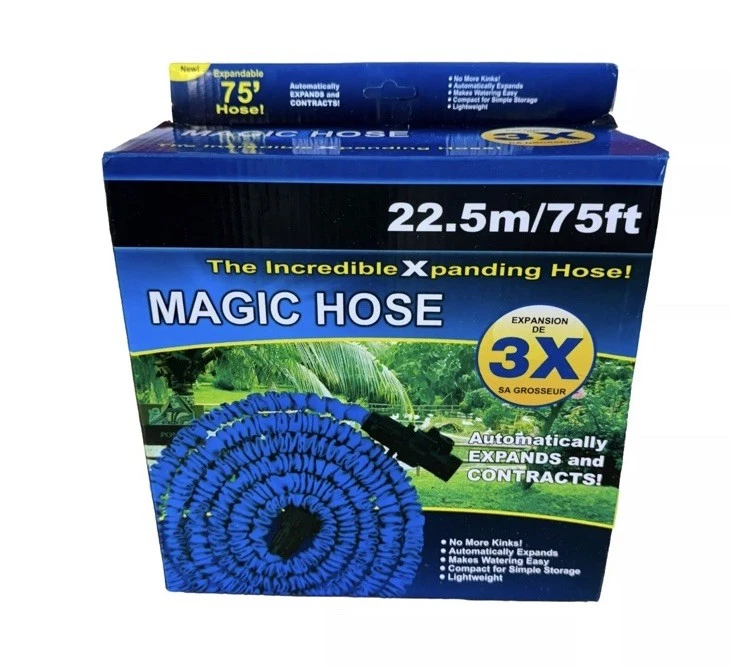
خرطوم مياه قابل للتمدد من ماجيك هوز
وفر 50%! اشترِ خرطوم مياه قابل للتمدد من ماجيك هوز بسعر 165.12 د.ل فقط في ليبيا.
🛒 تسوق الآن Libya Press
The General Electricity Company of Libya (GECOL) announced it will add 600 megawatts to the national grid through new generation units at Zueitina, Zawia, and Ubari plants. This expansion directly targets the chronic power shortages that have plagued Libyans for over a decade, with officials promising reduced load shedding and fewer power cuts.
The announcement follows extensive maintenance work completed at key generation facilities. GECOL confirmed that the newly operational units at these three strategically located plants will immediately feed into the national grid, significantly improving supply reliability in both northern and southern regions.
This 600 MW addition represents more than just capacity increase—it signals a commitment to systematic grid modernization. The maintenance work preceding this expansion focused on upgrading aging infrastructure, replacing obsolete equipment, and ensuring long-term operational stability at all three facilities.
Late-breaking data from GECOL shows that before this expansion, average daily power availability in urban areas ranged from 12 to 18 hours, with rural areas receiving as little as 6-8 hours. Load shedding schedules were common in households and businesses alike.
With the addition of 600 MW, the national grid's total capacity now exceeds 3,600 MW, representing a significant improvement in supply-demand balance. Residential customers in major cities can expect power availability to increase to 18-22 hours daily, while commercial and industrial consumers will see even greater improvements.
GECOL's Projects Department confirmed that the maintenance work addressed critical bottlenecks identified during the 2024-2025 grid performance review. "We've eliminated three major constraint points that were limiting our ability to deliver consistent power," said a GECOL spokesperson. "This 600 MW is not just new capacity—it's capacity we can actually use reliably."
This expansion aligns with the broader strategy designed to stabilize the national grid, diversify energy sources, and attract much-needed private investment in Libya's electricity system. The push for reform follows years of grappling with frequent power outages that have cost the economy billions in lost productivity and damaged investor confidence.
The World Bank estimates that unreliable electricity supply has cost Libya's economy approximately $8 billion annually in lost GDP. The 600 MW expansion targets reducing this burden significantly, with projected savings of $1.2 billion annually once the grid reaches optimal performance levels.
For everyday Libyans, this expansion translates to tangible improvements in daily life. Students can complete evening homework with adequate lighting, small businesses can operate refrigeration and digital equipment consistently, and families can rely on power for cooking and communication needs.
GECOL has committed to publishing revised load-shedding schedules by the end of the month. Early indications suggest that urban areas will see the elimination of mandatory power cuts, while rural communities will experience a 50% reduction in scheduled outages.
The company also announced plans to introduce smart metering in major cities by 2027, which will provide real-time consumption data and help optimize grid distribution. This technology upgrade, combined with the 600 MW capacity increase, positions Libya's power sector for sustainable growth.
While challenges remain—including maintenance backlogs and transmission infrastructure gaps—this expansion marks a pivotal moment in Libya's energy journey. For the first time in years, citizens can look forward to reliable electricity as a foundation for economic and social progress.
— Libya Press / News Desk