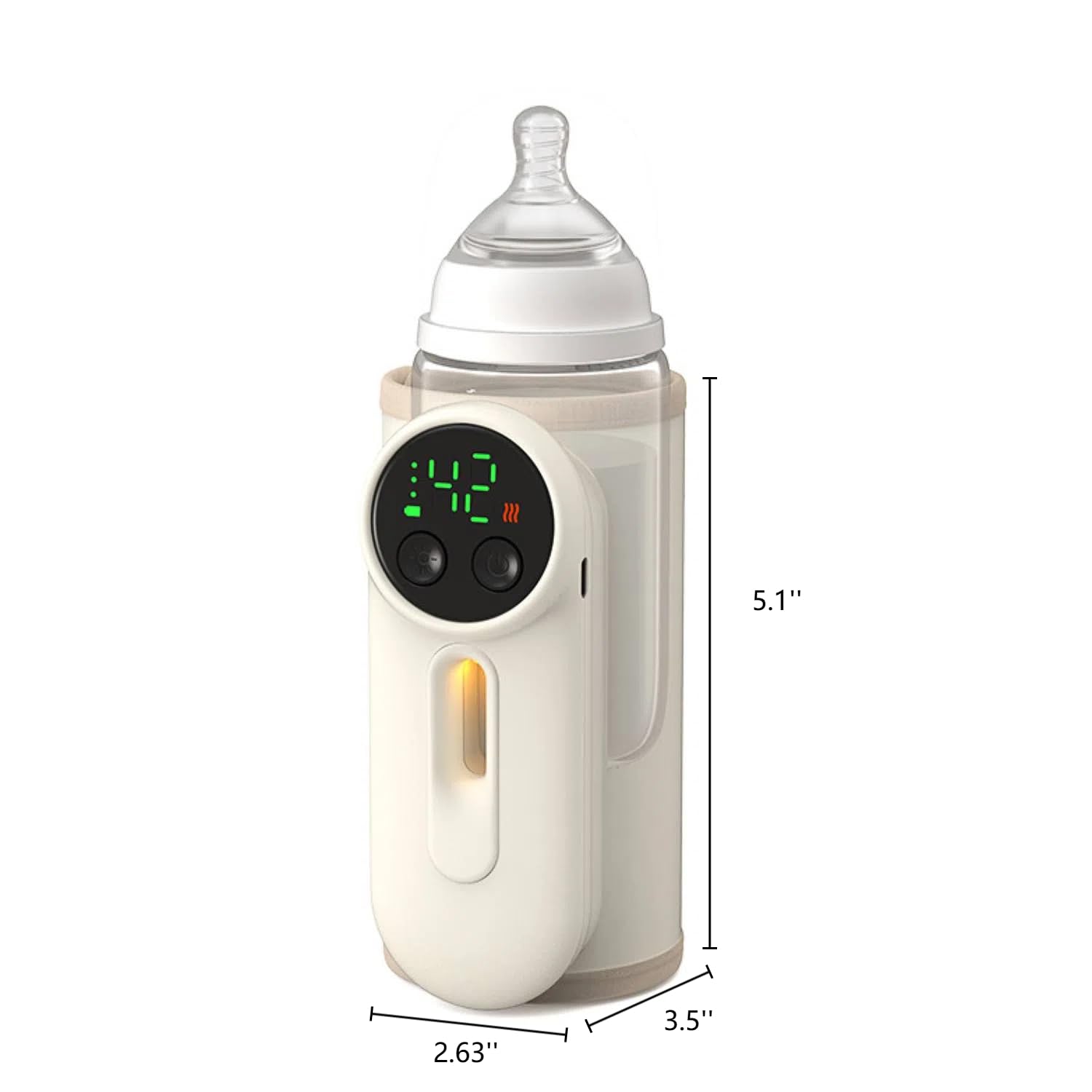
مدفأة زجاجات الأطفال المحمولة
وفر 17%! اشترِ مدفأة زجاجات الأطفال المحمولة بسعر 314.88 د.ل فقط في ليبيا. متوفر
🛒 تسوق الآن Libya Press
After weeks of record-breaking temperatures that pushed thermometers past 46°C in several Libyan cities and triggered widespread protests over power and water shortages, a long-awaited weather shift is finally underway. Meteorological data confirms that the extreme heatwave gripping the country is beginning to break, with the first Libyan cities already recording significantly cooler conditions.
The first signs of the temperature drop are being recorded in coastal and eastern areas. Cities along the Mediterranean coast, including Tripoli, Misrata, and Al Khums, have begun to experience a noticeable decline in daytime highs as cooler air moves in from the sea. In the east, Benghazi and Al Bayda are also reporting more moderate weather after days of oppressive heat.
According to local meteorological reports cited by Al-Mashhad Al-Liby, the change is driven by a shift in upper-atmosphere pressure systems that has allowed cooler maritime air to push inland, displacing the hot air mass that had settled over the country since early July.
The extreme weather that preceded this relief was among the worst Libya has experienced in recent years. On July 27, hundreds of Libyans took to the streets of Tripoli and its suburbs to protest prolonged power outages and soaring drinking water prices, as reported by Euronews Arabic. The protests highlighted the fragility of Libya's infrastructure when pushed to its limits by extreme climate conditions.
Prime Minister Abdel Hamid Dbeibeh publicly blamed the General Electricity Company for exacerbating the crisis, citing suspicions of negligence and corruption. The power outages also disrupted the Great Man-Made River project, with the authority reporting that electricity cuts had knocked 143 wells offline in the Sarir and Tazirbu fields — a devastating blow to water supplies during a heatwave.
This heatwave is not an isolated event. A World Bank climate risk report from 2025, cited by Libya Al-Ahrar, reveals that Libya's average temperature has already risen by approximately 0.25°C per decade between 1971 and 2020, with the greatest warming in the northwestern regions. The report projects that average annual temperatures could rise from 22.2°C to nearly 24°C by 2040–2059.
Summer warming is expected to be even more severe. Peak summer daily highs could average 46.62°C, the number of June days exceeding 40°C could double from 5 to 11 by mid-century, and nights above 26°C — preventing recovery after sundown — could jump from fewer than 3 to 14 per August.
Beyond the relief of cooler temperatures, this heatwave has exposed deep structural vulnerabilities. In a country already grappling with political fragmentation and economic crisis, extreme heat triggers cascading failures. Electricity grids operating below capacity cannot keep up with surging demand, which shuts down water pumping stations, compounding the public health risk.
While the current temperature drop brings needed relief, meteorologists caution this is likely a temporary reprieve rather than a permanent shift. The World Bank report warns that Libya will face longer dry spells punctuated by intense, concentrated rainfall — increasing both drought and flood risks, as seen in the Derna and Ghat disasters.
For now, residents across Libya's coastal belt can breathe again. But the underlying challenges — an aging power grid, water infrastructure in crisis, and a warming climate — remain unchanged. The question is whether this heatwave will serve as a wake-up call for systemic reform, or whether Libya will simply wait for the next one.
— Libya Press / News Desk