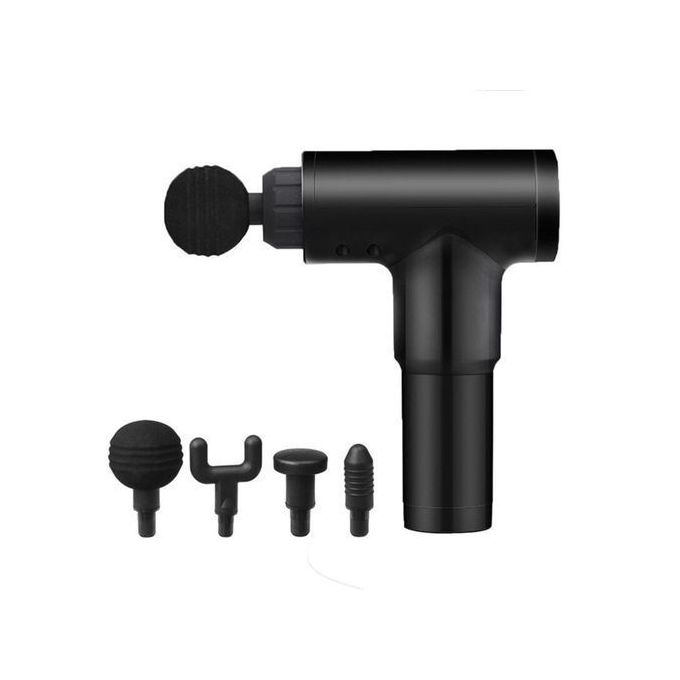
جهاز التدليك
وفر 26%! اشترِ جهاز التدليك بسعر 290 د.ل فقط في ليبيا. متوفر حالياً، الدفع عند ا
🛒 تسوق الآن Libya Press
Libya is accelerating its oil production toward a target of 1.6 million barrels per day by the end of 2026, up from approximately 1.38 million bpd currently. The National Oil Corporation (NOC) has outlined plans to attract $3–4 billion in new investments to modernize infrastructure and expand output capacity. This ambitious growth trajectory is reshaping the country's demand for specialized oilfield equipment, including advanced well maintenance and cleaning systems.
As Libya pushes to maximize production from both mature and newly developed wells, the need for reliable thermal flushing, paraffin removal, and high-pressure cleaning equipment has become critical. International suppliers are increasingly targeting the Libyan market, offering cost-effective solutions tailored to the country's harsh desert operating conditions.
Among the international suppliers targeting Libya's growing oil maintenance sector, Chinese manufacturers have emerged as significant players. Companies such as Henan Vance Petroleum Machinery Co., Ltd. and Puyang Chensheng Petroleum Technology Co., Ltd. are offering hot oil flushing trucks designed for thermal well flushing, paraffin removal, and pressure testing operations.
These mobile units integrate boiler and pump systems capable of delivering high-temperature oil circulation at pressures up to 260 bar, making them suitable for Libya's heavy crude and paraffin-prone wells. Suppliers are marketing the equipment as cost-effective and durable, with features including steam generator integration and versatile multi-operation capability.
Libya's oil wells, many of which have been in operation for decades, face persistent challenges with paraffin buildup, scale deposits, and formation damage. Without regular thermal flushing and chemical treatment, production rates from mature wells can decline by 10–15% annually. For a country targeting a 220,000 bpd production increase, maintaining existing well productivity is just as important as drilling new ones.
"The condition of Libya's well infrastructure directly determines whether the 1.6 million bpd target is achievable," said an industry analyst familiar with North African oil operations. "Investing in maintenance equipment isn't optional — it's the backbone of sustainable production growth."
Libya's economy remains overwhelmingly dependent on oil revenues, which account for approximately 95% of export earnings and 60% of government income. Every additional 100,000 bpd of production translates to roughly $2.5 billion in annual revenue at current prices. The push toward 1.6 million bpd is not merely an energy policy goal — it is an economic survival strategy.
The import of specialized maintenance equipment also signals growing confidence among international suppliers in Libya's stability and payment capacity. After years of conflict-related disruptions, the return of major equipment exporters suggests improving conditions for foreign trade. For Libyan oil workers and engineers, the influx of modern maintenance technology means safer operations and more efficient production processes.
Industry forecasts suggest Libya's oilfield equipment market will continue expanding through 2026 and beyond, driven by NOC's modernization program and the need to replace aging infrastructure. Suppliers offering durable, cost-effective solutions with local technical support are best positioned to capture market share.
For Libya, the equation is straightforward: better maintenance equipment means higher production, stronger revenues, and greater economic stability. As the country races toward its 1.6 million bpd target, the trucks and machinery arriving at its ports today will determine whether that ambitious goal becomes reality.
— LibyaPress / Economy Desk