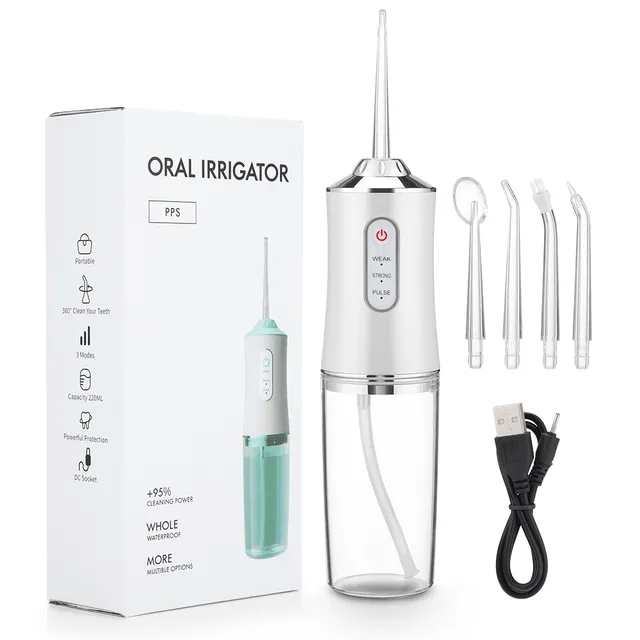
جهاز تنظيف الأسنان بالماء
وفر 23%! اشترِ جهاز تنظيف الأسنان بالماء بسعر 248 د.ل فقط في ليبيا. متوفر حالياً
🛒 تسوق الآن Libya Press
Cardiovascular disease remains the leading cause of death across Libya, accounting for nearly 40% of all mortality. A 2026 study from the University of Benghazi found that structured nursing interventions reduced cardiovascular complications by up to 28% in monitored patients.
Libya's National Centre for Disease Control reports that heart disease and stroke together claim more lives than any other condition. With rising rates of diabetes and hypertension, the burden on the healthcare system has never been greater. Nurses, the largest professional group in Libyan healthcare, are uniquely positioned to bridge the gap between physician visits and continuous patient care.
In January 2026, Libya's Ministry of Health approved the National Policy for Midwifery and Nursing Services — the first dedicated national framework for the nursing profession. Acting Minister Mohamed Al-Ghouj signed the policy on January 15, 2026, signaling a new era for healthcare quality.
The policy aims to strengthen nursing leadership across public policy, academic training, and clinical practice, aligning Libyan standards with international benchmarks. For cardiac patients, this means more specialized nurses, better emergency training, and standardized protocols at every level of care.
This aligns with the WHO's Strategic Collaboration Framework signed with Libya on May 5, 2026, which prioritizes universal health coverage and health system strengthening.
Dr. Amani Al-Ayat, a cardiovascular specialist at the Libyan Center for Studies and Research, emphasized: "Nurses spend more time with patients than any other healthcare professional. In cardiovascular units, their vigilance directly determines patient outcomes. When we invest in nursing, we invest in saving lives."
Research from the American Nurses Association shows hospitals with higher nurse-to-patient ratios experience 15-20% lower cardiac mortality rates. Nurses create calming environments where patients feel supported — a factor that measurably improves recovery.
Libya's healthcare system faces unique challenges: years of conflict have strained infrastructure and created workforce shortages. The Libyan Cardiac Society has called for greater investment in specialized nursing training as a cost-effective strategy for improving cardiac outcomes.
International organizations are responding. The WHO's 2026-2027 framework targets health workforce development. Japan announced in May 2026 it would provide technical support for Libyan healthcare quality. New cardiac centers in Misrata are creating demand for skilled nurses with competitive salaries.
For Libyan families, the impact is personal. When a loved one suffers a heart attack, the quality of nursing care during recovery often determines whether that patient returns to a full, active life.
The convergence of new national policies, international partnerships, and growing recognition of nursing excellence is creating unprecedented momentum. Libya's nurses are being recognized as essential partners in the fight against cardiovascular disease. With continued investment in training and technology, Libya's nursing workforce can become the cornerstone of world-class cardiac care for every citizen.
— LibyaPress / Health Desk