
كوب قهوة بغطاء
وفر 19%! اشترِ كوب قهوة بغطاء بسعر 219 د.ل فقط في ليبيا. متوفر حالياً، الدفع عند
🛒 تسوق الآن Libya Press
ROME, Italy — January 2026 — Italian Interior Minister Matteo Piantedosi announced that irregular migrant arrivals in Italy dropped by approximately 50 percent in January compared to the same period last year, attributing the decline to stricter enforcement policies and enhanced European cooperation.
Speaking at a League party rally in the Abruzzo region on January 25, Piantedosi presented the figures as evidence that Italy's hardline approach to migration is producing results.
"This year, even if only one month has passed, we have recorded half the arrivals compared to last year, when they had nevertheless gone down by 60 percent compared to the critical period of the two previous years," the minister told the event "Ideas in Movement" in Roccaraso and Rivisondoli.
"Numbers, even if they appear dry, speak clearly and create a path to evaluate what has been done. We are implementing very strong initiatives to have a further and meaningful reduction of landings," Piantedosi added.
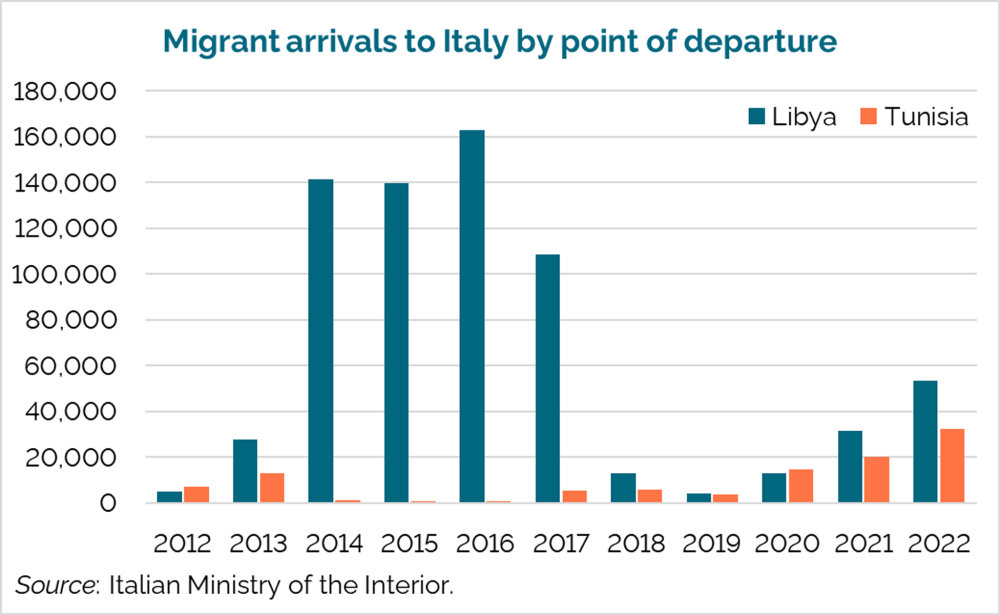
The decline is particularly significant for Libya, which remains one of the primary departure points for migrants attempting the dangerous Mediterranean crossing to Italian shores, particularly the island of Lampedusa.
Italy has invested heavily in supporting Libyan coast guard operations to intercept migrant boats before they reach international waters. The policy, while credited with reducing arrivals, has drawn sharp criticism from human rights organizations who argue that returning migrants to Libya exposes them to detention, abuse, and exploitation.
Deputy Premier and Transport Minister Matteo Salvini, leader of the right-wing League party, has been a driving force behind Italy's migration crackdown. Piantedosi said he regularly discusses migration policy with Salvini, who "has a different ministerial dossier but is an important political leader of reference."
The minister also defended Italy's controversial repatriation center in Albania, known as a Centro di Permanenza per i Rimpatri (CPR), where irregular migrants with criminal records are detained pending deportation.
"Italian security forces currently deployed in Albania are guarding our CPR where irregular migrants with a criminal record, including grave offences, are detained to be progressively repatriated," Piantedosi said.
He pushed back against critics of the facility: "Perhaps some would prefer for these individuals — who have no right to remain among us — to be set free again on Italian territory, possibly at our expense, to then complain about the security problems that these people would once again create."
Piantedosi also addressed rising concerns about juvenile crime, particularly among foreign minors, which he said has increased by 10 percent. The government is preparing a new decree expected to include approximately 60 measures, with a significant portion targeting juvenile crime.
Italy's figures reflect a broader trend across Southern Europe, where migrant arrivals have declined significantly from the peak years of 2015-2017. However, human rights advocates caution that lower arrival numbers do not necessarily indicate improved conditions for migrants — but rather more dangerous routes, increased interceptions at sea, and prolonged detention in transit countries like Libya.
The UNHCR has repeatedly called on European governments to establish safe and legal pathways for migration, arguing that deterrence-only approaches push vulnerable people into the hands of smugglers and traffickers.
— LibyaPress / International News Desk