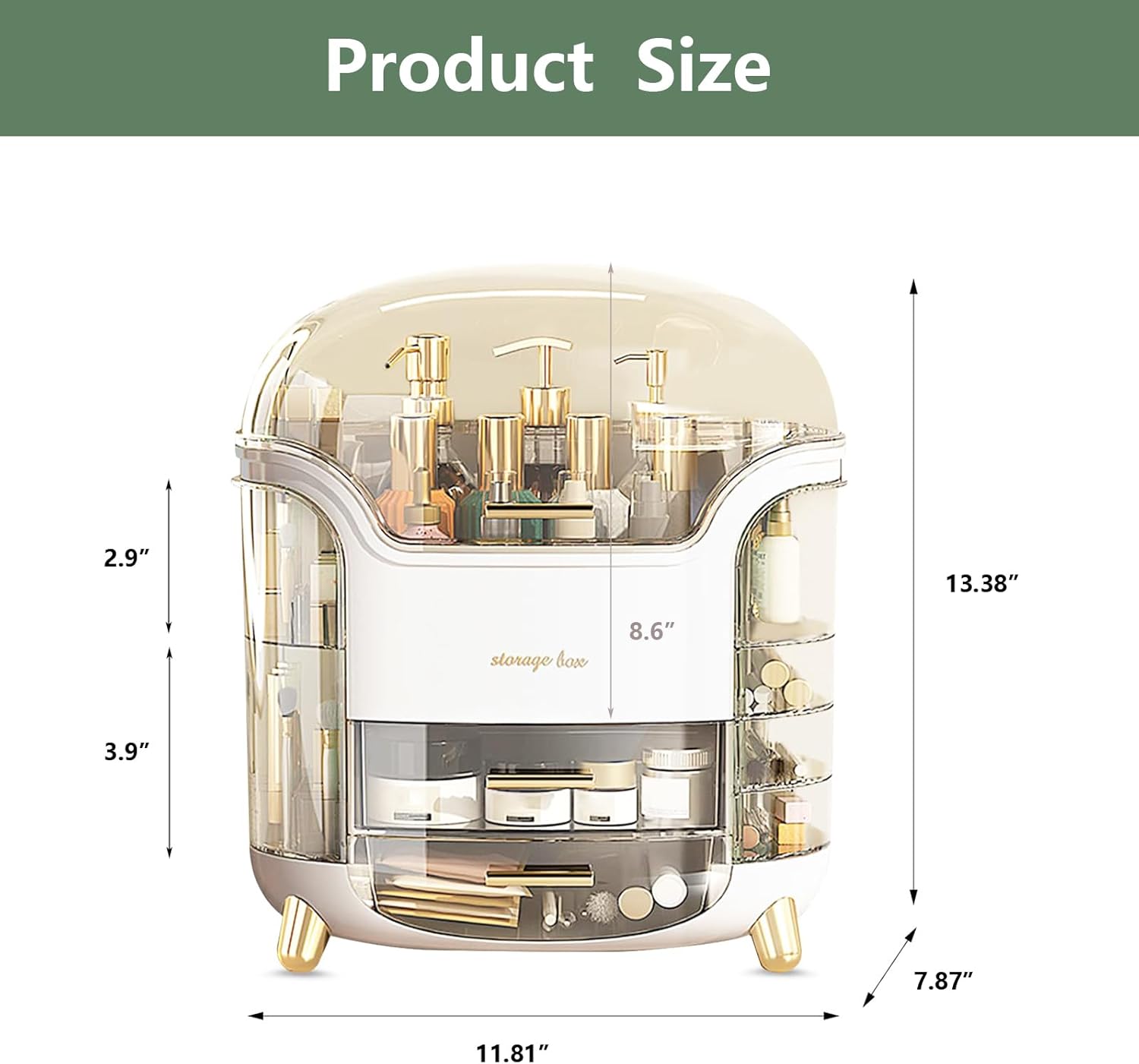

مزيل الرؤوس السوداء
وفر 25%! اشترِ مزيل الرؤوس السوداء بسعر 206.6 د.ل فقط في ليبيا. متوفر حالياً، ال
🛒 تسوق الآن Libya Press
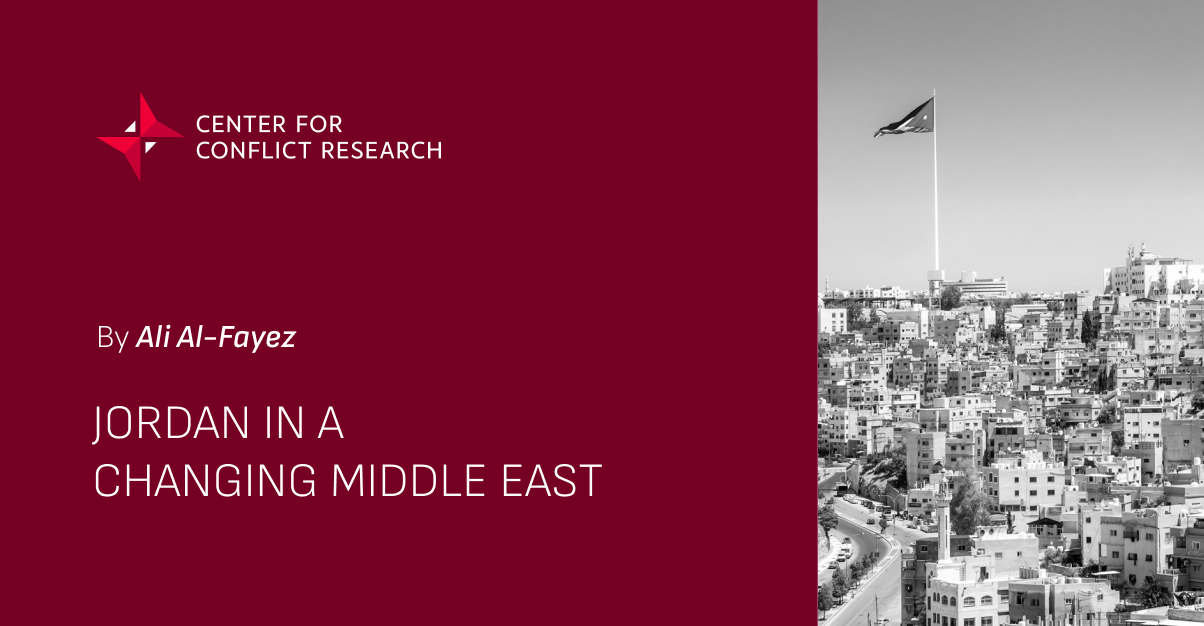
Jordan is in the throes of a highly sensitive phase reshaping both its regional relationships and its domestic makeup, according to a July 2026 Situation Assessment by the Middle East Council on Global Affairs. With ongoing conflicts in Gaza, the West Bank, Lebanon, and Iran, alongside Syria's transformation after the collapse of Bashar al-Assad's regime in December 2024, the Kingdom faces a persistent test of its ability to maintain domestic balance and political stability.
Two significant 2025 developments redefined Jordan's domestic equation: the banning of the Muslim Brotherhood in April and the recalibration of the northern border with the "new" Syria. Israel's war on Gaza since October 2023 reignited debates about Jordan's demographic balance and the Palestinian cause. Many Jordanians fear scenarios of forced displacement of Palestinians from the West Bank or the revival of the "Jordanian option" — treating the country as an "alternative homeland."
Jordan's custodianship of Islamic and Christian holy sites in Jerusalem has also come under direct pressure from Israeli measures at Al-Aqsa Mosque, making this role a pillar of national security rather than merely a diplomatic issue.
Around 66% of Jordan's population is aged under 30, with worldviews shaped by digital engagement and aspirations beyond traditional frameworks. The traditional social contract is eroding amid middle-class fragility, rapid urbanization, and the state's diminishing capacity to provide public-sector employment. Unemployment stood at 16.1% in Q1 2026, rising to 21.1% among Jordanians aged 15 and above, 32.7% among women, and around 39% among youth aged 15–24.
Public debt reached 35.8 billion dinars (about 93% of GDP) in early 2025, with the government targeting 80% by 2028 under IMF supervision. GDP growth of around 2.7% is insufficient to meet demographic pressures. The IMF completed its Fourth Review under the Extended Fund Facility in December 2025 alongside a $700 million Resilience and Sustainability Facility arrangement. Jordan also hosts approximately 1.3 million Syrian refugees and over 2.39 million Palestinians, straining health, education, and municipal services.
Despite these challenges, Jordan's startup ecosystem is one of the Middle East's most remarkable stories. According to NextStars, Jordanian startups raised an estimated $180–220 million in 2024, maintaining the Kingdom's position as the Levant's most stable tech hub. With 88% internet penetration and producing more engineers per capita than most Arab nations, Jordan combines political stability with technical excellence. Historic exits include Maktoob ($165 million to Yahoo) and Souq.com (co-founded by a Jordanian, sold to Amazon for $580 million).
The REACH2025 initiative targets the tech sector reaching 10% of GDP, creating 100,000 tech jobs, and achieving $3 billion in tech exports. The Innovative Startups and SMEs Fund provides $98 million in backing, while regulatory frameworks allow 100% foreign ownership, startup visas, and tax incentives of 5–10% for tech companies.
In a volatile region, Jordan's stability is its competitive advantage. The monarchy provides continuity, pro-business policies remain consistent, and the country receives $1.5 billion annually in US aid alongside substantial Gulf and EU support. However, water scarcity remains acute at approximately 60 cubic meters per capita annually — one of the world's most severe rates. IMF-backed decisions on taxes and fuel prices have previously triggered labor protests in Ma'an and Karak.
Jordan's path forward requires integrating the informal economy, expanding opportunities, and alleviating rising living costs — all while navigating one of the most volatile geopolitical environments on Earth.
— Libya Press / News Desk