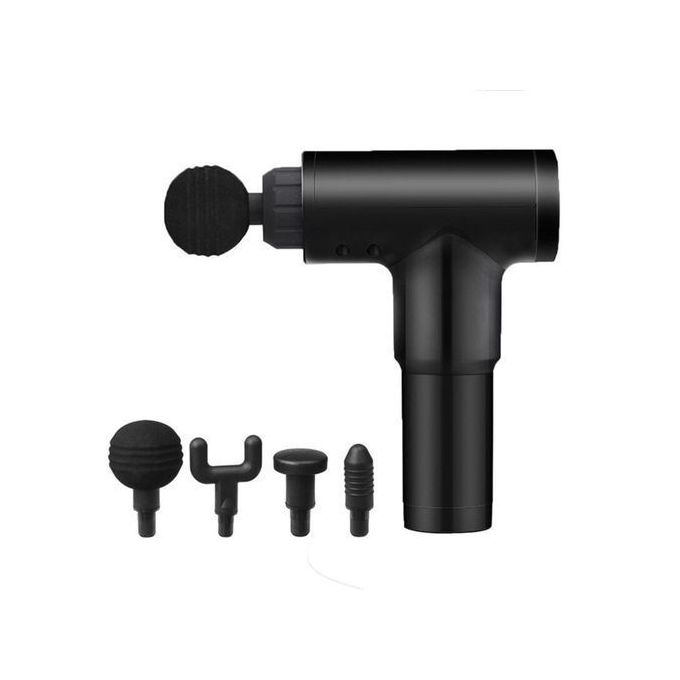
مكنسة شفط الغبار الاحترافية
وفر 25%! اشترِ مكنسة شفط الغبار الاحترافية بسعر 369 د.ل فقط في ليبيا. متوفر حالي
🛒 تسوق الآن Libya Press
Libya is advancing ambitious plans to establish a domestic fishing vessel and trawler manufacturing industry, marking a significant step toward economic diversification and strengthening the nation's blue economy. The initiative, led by the Libyan Export Development Authority (LEDA), aims to reduce reliance on imported vessels and build local industrial capacity in one of North Africa's most promising maritime sectors.
The project would be based at the Misrata Iron and Steel Plant, leveraging existing industrial infrastructure to provide raw materials and manufacturing space. This strategic location positions Libya to become a regional hub for fishing vessel production, serving both domestic needs and potential export markets across the Mediterranean and Africa.
According to LEDA's vision, the project aims to strengthen and develop the fishing fleet, thereby contributing to increased production and the regulation of fish exports. Libya's fishing industry has long operated with aging vessels and limited domestic maintenance capacity, forcing operators to rely on expensive imports and foreign shipyards.
"This project represents a transformative opportunity for Libya's maritime sector," stated officials familiar with the LEDA plans. "By manufacturing fishing vessels domestically, we can create jobs, reduce costs, and build a sustainable industry that serves our coastal communities."
For Libya, the fishing vessel manufacturing initiative carries implications far beyond the maritime sector. With oil revenues fluctuating and the urgent need for economic diversification, developing a domestic manufacturing base for fishing vessels creates skilled jobs, stimulates ancillary industries, and reduces the country's dependence on foreign suppliers.
Libya's coastal cities, including Misrata, Benghazi, and Tripoli, stand to benefit directly from increased fishing activity and the economic ripple effects of a revitalized maritime industry. The project also supports food security goals by enabling more efficient and sustainable fishing operations along the country's extensive coastline.
Furthermore, the initiative positions Libya within the growing African blue economy movement, where coastal nations are increasingly recognizing the economic potential of sustainable ocean resource management. Partnerships with regional organizations and international development agencies could provide additional funding and technical expertise.
The fishing vessel manufacturing plans reflect a broader strategic shift in Libya's economic thinking — one that prioritizes sustainable development, local industrial capacity, and the responsible use of natural resources. As the project moves from planning to implementation, it could serve as a model for other diversification initiatives across the country.
Success will depend on continued investment, stable governance, and effective partnerships between public institutions like LEDA and industrial giants like LISCO. If executed well, Libya's fishing vessel industry could become a cornerstone of the nation's blue economy for decades to come.
— LibyaPress / Economy Desk