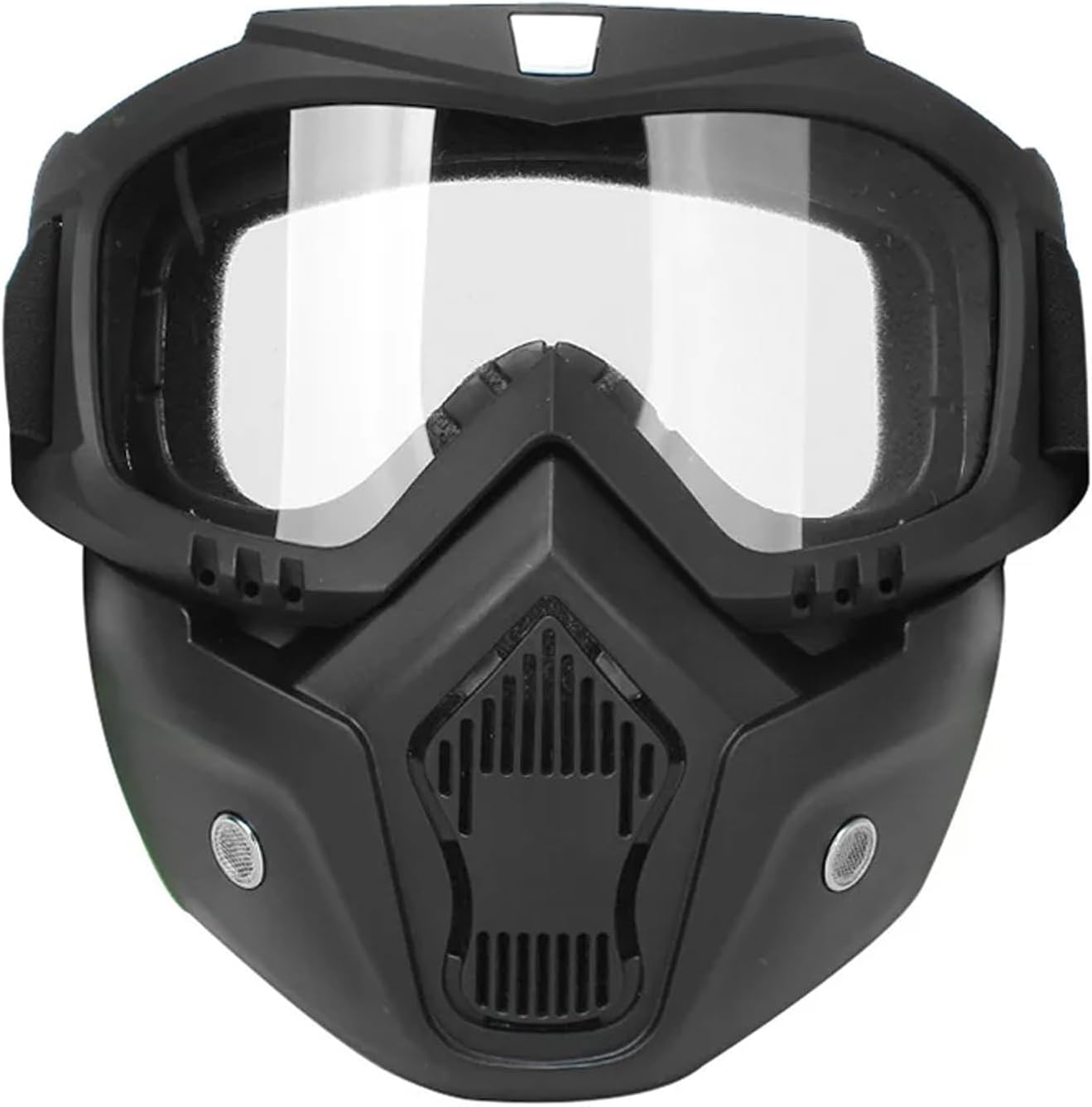
نظارات واقية للدراجات النارية
وفر 34%! اشترِ نظارات واقية للدراجات النارية بسعر 190.08 د.ل فقط في ليبيا. متوفر
🛒 تسوق الآن Libya Press
Libya's Transport Minister Mohammed Al-Shahoubi and Foreign Minister Taher al-Baour have held separate high-level meetings with European Union officials to push for the lifting of restrictions that have barred Libyan airlines from European airspace since 2014. The talks mark the most significant diplomatic push in years to resolve the long-standing aviation dispute.
Transport Minister Al-Shahoubi met with EU Ambassador to Libya Nicola Orlando in Tripoli this week, focusing on speeding up technical procedures between Libya's Civil Aviation Authority (LYCAA) and the European Commission's aviation safety body. The meeting aimed to resolve outstanding technical issues that have prevented Libyan carriers from resuming flights to European destinations.
Separately, Foreign Minister Taher al-Baour held talks with Ambassador Orlando and Frederik Peterson, head of the EU Border Assistance Mission (EUBAM), on Thursday. The discussions expanded beyond aviation to include broader cooperation in areas of mutual interest, according to a statement from Libya's Foreign Ministry.
Libyan airlines have been banned from operating in European airspace since 2014, when the European Commission placed all Libyan carriers on the EU Air Safety List following the deterioration of security conditions in the country. The ban has severely impacted Libya's aviation sector, forcing travelers to use indirect routes via Tunisia, Egypt, Turkey, and other regional hubs.
The restrictions have also isolated Libya commercially, with cargo and passenger movements heavily dependent on third-country carriers. Industry analysts estimate the ban has cost the Libyan economy hundreds of millions of dollars in lost aviation revenue and reduced trade connectivity over the past decade.
Despite the political will on both sides, several technical hurdles must be cleared before the ban can be lifted. The European Commission requires Libya to demonstrate compliance with international aviation safety standards, including effective implementation of oversight by the Libyan Civil Aviation Authority.
Sources indicate that the EU has been conducting evaluations in direct coordination with LYCAA to assess progress on safety oversight, aircraft maintenance standards, and regulatory alignment. The European Aviation Safety Agency (EASA) has been involved in providing technical assistance to help Libyan authorities meet the required benchmarks.
The discussions also touched on strengthening border management cooperation, with EUBAM playing a key role in supporting Libya's efforts to secure its land and maritime borders. Ambassador Orlando emphasized the EU's commitment to supporting Libya's stability and economic recovery through technical assistance and capacity building.
Frederik Peterson, head of EUBAM, reaffirmed the mission's readiness to expand its support for Libyan border authorities, noting that improved border management would complement the aviation talks by addressing EU security concerns related to the flight ban.
If the restrictions are lifted, Libyan citizens would benefit from direct flights to European destinations for the first time in over a decade. This would reduce travel costs, shorten journey times, and open up new opportunities for business, education, and family visits between Libya and Europe.
The move would also benefit Libya's diaspora communities, particularly in the United Kingdom, Germany, France, and Italy, who currently face expensive and time-consuming multi-leg journeys to visit family in Libya.
Aviation industry observers have welcomed the renewed diplomatic efforts but caution that progress will depend on Libya demonstrating sustained compliance with international safety standards. The EU has previously signaled willingness to lift restrictions as conditions improve, but insists that safety cannot be compromised.
Libyan airlines including Afriqiyah Airways and Libyan Airlines have expressed readiness to resume European operations, with some carriers reportedly preparing for safety audits and operational upgrades in anticipation of a potential lifting of the ban later this year.
— Libya Press / Politics Desk