
جهاز تنظيف الأسنان بالماء
وفر 23%! اشترِ جهاز تنظيف الأسنان بالماء بسعر 248 د.ل فقط في ليبيا. متوفر حالياً
🛒 تسوق الآن Libya Press
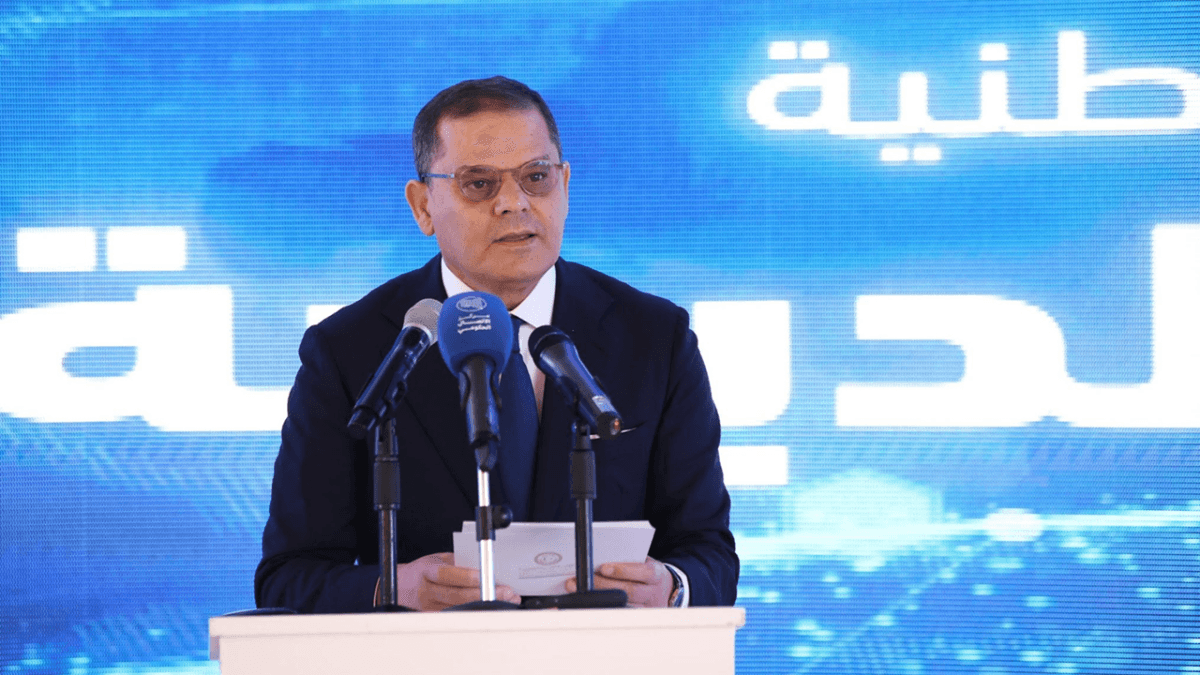
Libya has officially entered the artificial intelligence era. On June 1, 2026, during National Technology Day celebrations in Tripoli, the government launched its National Artificial Intelligence Strategy for 2026–2030 and simultaneously adopted a national AI Ethics Charter. The ambitious plan outlines 35 initiatives across six strategic pillars, positioning Libya alongside regional peers like the UAE and Saudi Arabia in the race to harness AI for economic growth and public service transformation.
The announcement, reported by Xinhua and the government media platform Hakomitna, marks the first time Libya has adopted a comprehensive, nationwide framework for AI development and governance. For a country navigating complex political and economic challenges, the strategy signals a forward-looking commitment to technology-driven modernization.
The accompanying AI Ethics Charter is arguably the most significant element of the announcement. It explicitly states that AI systems are tools to support human decision-making rather than replace it — a particularly sensitive principle in sectors such as healthcare, justice, and public administration where automated decisions carry profound consequences for citizens.
This human-centric approach aligns with global best practices emerging from the European Union's AI Act and UNESCO's AI Ethics Recommendation. For Libyans, it offers a safeguard against the unchecked deployment of opaque algorithmic systems in government services. The charter is expected to establish oversight mechanisms, transparency requirements, and accountability frameworks for both public and private sector AI use.
Libya's AI ambitions arrive at a critical juncture. The country's economy remains heavily dependent on oil revenues, and diversification into technology and innovation has been a stated goal of multiple governments since 2011. The National AI Strategy provides a concrete roadmap — with measurable targets and a defined timeline — for turning that aspiration into reality.
The focus on training 10,000 specialists and nurturing 100 startups directly addresses Libya's youth unemployment challenge. With a median age of around 28, Libya's young population represents both a demographic opportunity and an economic pressure point. Channeling this energy into AI and technology entrepreneurship could unlock significant economic value and reduce brain drain.
Regional context matters too. The UAE launched its National AI Strategy in 2017 and has since established a dedicated Ministry of Artificial Intelligence. Saudi Arabia's Vision 2030 includes major AI investments. Egypt, Morocco, and Tunisia have all published national AI frameworks. Libya's entry into this space, while later than some neighbors, demonstrates that the country is not standing still in the digital transformation race.
Experts caution that strategy documents alone do not guarantee success. Libya faces significant hurdles including political fragmentation, limited institutional capacity, infrastructure gaps, and the need for sustained funding. The 80% public administration target is particularly ambitious given that many government services still operate on paper-based systems.
Despite the challenges, Libya's National AI Strategy represents a genuine milestone. It provides a structured framework, measurable goals, and an ethical foundation that many countries still lack. The next 12 months will be critical — early implementation wins in pilot sectors like health or education could build momentum and public trust.
For Libyan citizens, the promise is clear: more efficient public services, new career opportunities in technology, and a government that is planning for the future rather than reacting to the past. The strategy's success will depend on execution, but the direction is unmistakable. Libya is betting on artificial intelligence as a pillar of its national development.
— LibyaPress / Tech Desk