
سيروم لإزالة رائحة الفم الكريهة
وفر 35%! اشترِ سيروم لإزالة رائحة الفم الكريهة بسعر 158.79 د.ل فقط في ليبيا. متو
🛒 تسوق الآن Libya Press
Libya's political paralysis is entering a dangerous new phase. As the United Nations struggles to revive a stalled transition, Washington is backing a controversial initiative that has attracted growing international attention. Karim Mezran, Director of the North Africa Initiative at the Atlantic Council, warns the proposal risks deepening internal divisions rather than resolving them.
In an interview with Decode39 on July 27, 2026, Mezran argued that Libya's crisis has evolved beyond a simple political deadlock into a profound crisis of legitimacy — one that external initiatives alone cannot resolve.
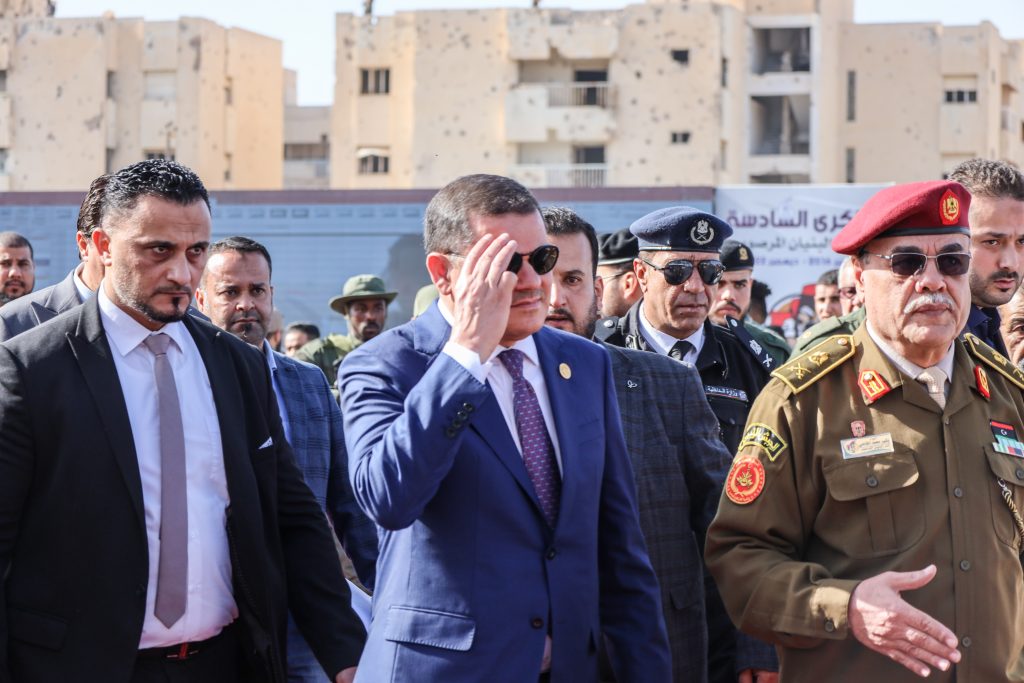
Libya currently operates with two competing centres of power. In the east, Khalifa Haftar and his family dominate from Benghazi through what Mezran describes as "a system of coercion and repression." In the west, Prime Minister Abdulhamid Dabaiba's Government of National Unity remains in office despite the expiration of its original UN-backed mandate.
"The current situation is clearly unsustainable," Mezran says. "Everyone recognizes it. The real question is whether anyone is genuinely willing to change it."
At the centre of renewed diplomatic activity is the U.S.-backed "Boulos Plan." Only limited details are public, but Mezran reveals it would elevate Saddam Haftar, son of Khalifa Haftar, to the presidency of Libya's Presidential Council — the country's highest institutional office — while allowing Dabaiba to remain with expanded executive powers.
Even these preliminary elements have generated strong reactions. "Very little is known about the American plan," Mezran says. "But even that has already generated widespread public discontent and rejection among several components of Libya's current political elite."
Russia continues backing Haftar, while Turkey has pursued a gradual rapprochement with eastern Libya driven by economic interests. "Many people no longer understand the position of those who helped defend Tripoli in 2019 and are now moving closer to Haftar," Mezran observes.
Egypt, despite long supporting Haftar, has adopted what Mezran calls "a deafening silence" — reflecting broader regional calculations.
Since 2011, Libya has seen eleven successive UN special envoys, yet reconciliation remains elusive. "Years of costly mediation have passed without any meaningful democratic reconstruction of the Libyan state," Mezran argues.
UN Special Representative Hanna Tetteh's latest roadmap proposes appointing a temporary prime minister tasked with organizing elections by 2027. But rival Libyan institutions have already begun advancing alternative arrangements of their own.
In late June, Saddam Haftar met U.S. Secretary of State Marco Rubio in Washington, while Dabaiba's representative Abdulsalam Zoubi met Deputy Secretary Christopher Landau. Yet Mezran says the proposal faces skepticism inside Libya as externally driven. Both the Haftar and Dabaiba families suffer from limited popular legitimacy, he warns, and any agreement lacking domestic consensus could produce "structural fragilities" that generate renewed instability.
Mezran sees few immediate alternatives. Turkey has expanded its engagement in eastern Libya, while Egypt shows little appetite for a more active role. Any sustainable solution, he believes, must emerge from within Libya itself.
"The only remaining hope is that Libyan society and the country's traditional local elites eventually find both the opportunity and the political will to build a credible internal path forward. Today, however, that prospect still appears very distant."
— Libya Press / Politics Desk