
عبوة من 10 لاصقة لعلاج عرق النسا
وفر 42%! اشترِ عبوة من 10 لاصقة لعلاج عرق النسا بسعر 134.4 د.ل فقط في ليبيا. متو
🛒 تسوق الآن Libya Press
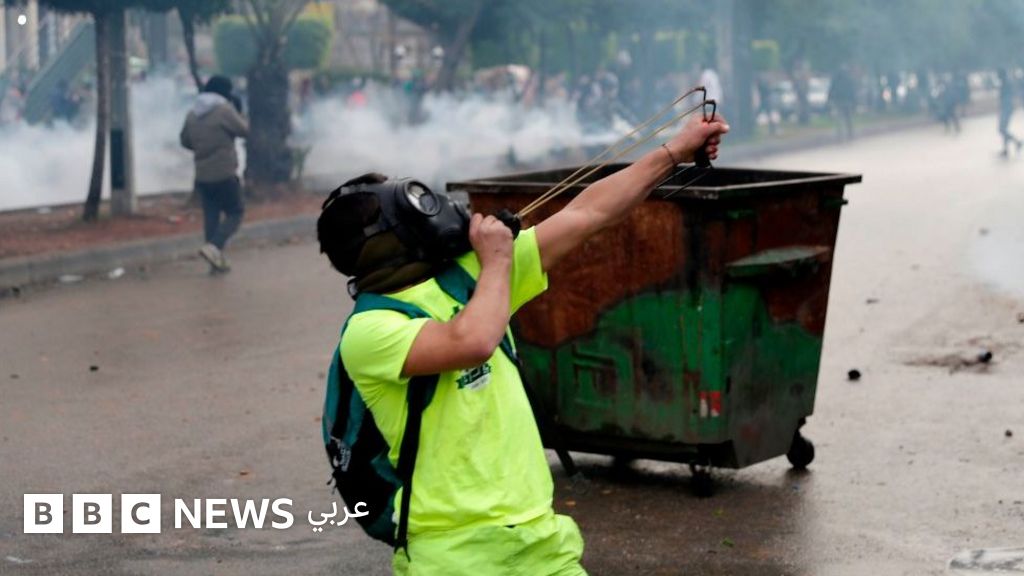
The Libyan capital Tripoli and its eastern suburb Tajoura witnessed a significant escalation on Tuesday as coordinated protests swept through multiple districts, with demonstrators blocking major roads and shutting down government institutions in the most widespread civil action seen in months.
Witnesses reported that protesters erected earth barriers across key intersections, effectively paralyzing movement in parts of the capital. The demonstrations come amid mounting public anger over persistent electricity blackouts and deteriorating public services that have pushed ordinary Libyans to the brink.
Protesters moved methodically across Tripoli and Tajoura, targeting government buildings and major transport hubs. In central Tripoli, demonstrators closed the Al-Ghiran roundabout, a vital traffic artery connecting several neighborhoods. The Qasr bin Ghashir roundabout was also blocked, cutting off access to the southern approaches of the capital.
In Tajoura, the protest movement expanded significantly. Demonstrators sealed the municipal council building, the central post office, and a branch of Jumhuriya Bank using earth barriers, according to local sources. The companies targeted included the Inmaa Company headquarters and the Utilities and Housing Authority office, both shut down by protesters demanding immediate government action.
The root cause of the protests lies in Libya's chronic electricity shortage, which has worsened dramatically during the summer months. Residents in Tripoli and surrounding areas report receiving only a few hours of electricity per day, with some neighborhoods experiencing blackouts lasting 12 to 16 hours at a stretch.
The power crisis has crippled daily life, affecting everything from food preservation and water supply to healthcare services. Hospitals have reported relying on backup generators for extended periods, while small businesses struggle to operate in the heat without reliable electricity.
A consistent thread running through the protests is the demand for the removal of the Government of National Unity led by Prime Minister Abdul Hamid Dbeibeh. Protesters have chanted slogans calling for the government's collapse, accusing it of failing to address the basic needs of citizens.
The political dimension of the protests signals growing frustration with the transitional political arrangements that have governed Libya since the 2020 ceasefire. Many Libyans view the current government as both ineffective and entrenched, resistant to reform despite the deepening crises affecting millions.
Security forces have largely maintained a restrained posture, avoiding direct confrontation with protesters in most areas. However, the closure of government buildings and the paralysis of key transport routes have raised concerns about potential clashes if the situation escalates further.
The coordinated nature of the closures suggests a degree of organization among protest groups, though no single leadership has emerged. Local activists have used social media platforms to coordinate actions and share real-time updates on which areas are affected.
Beyond the electricity shortages, Libya faces a severe economic crisis characterized by high inflation, currency depreciation, and growing unemployment. The value of the Libyan dinar has continued to slide against major currencies, driving up prices for imported goods and basic commodities.
The parallel economy, fueled by the lack of a unified budget and competing political institutions, has deepened the hardship for ordinary Libyans. Protests over electricity have increasingly merged with broader grievances about economic governance and corruption.
The wave of protests in Tripoli and Tajoura represents the most significant challenge to the Government of National Unity in recent months. With temperatures expected to remain high and electricity supply unlikely to improve in the short term, the potential for further escalation remains substantial.
— Libya Press / News Desk