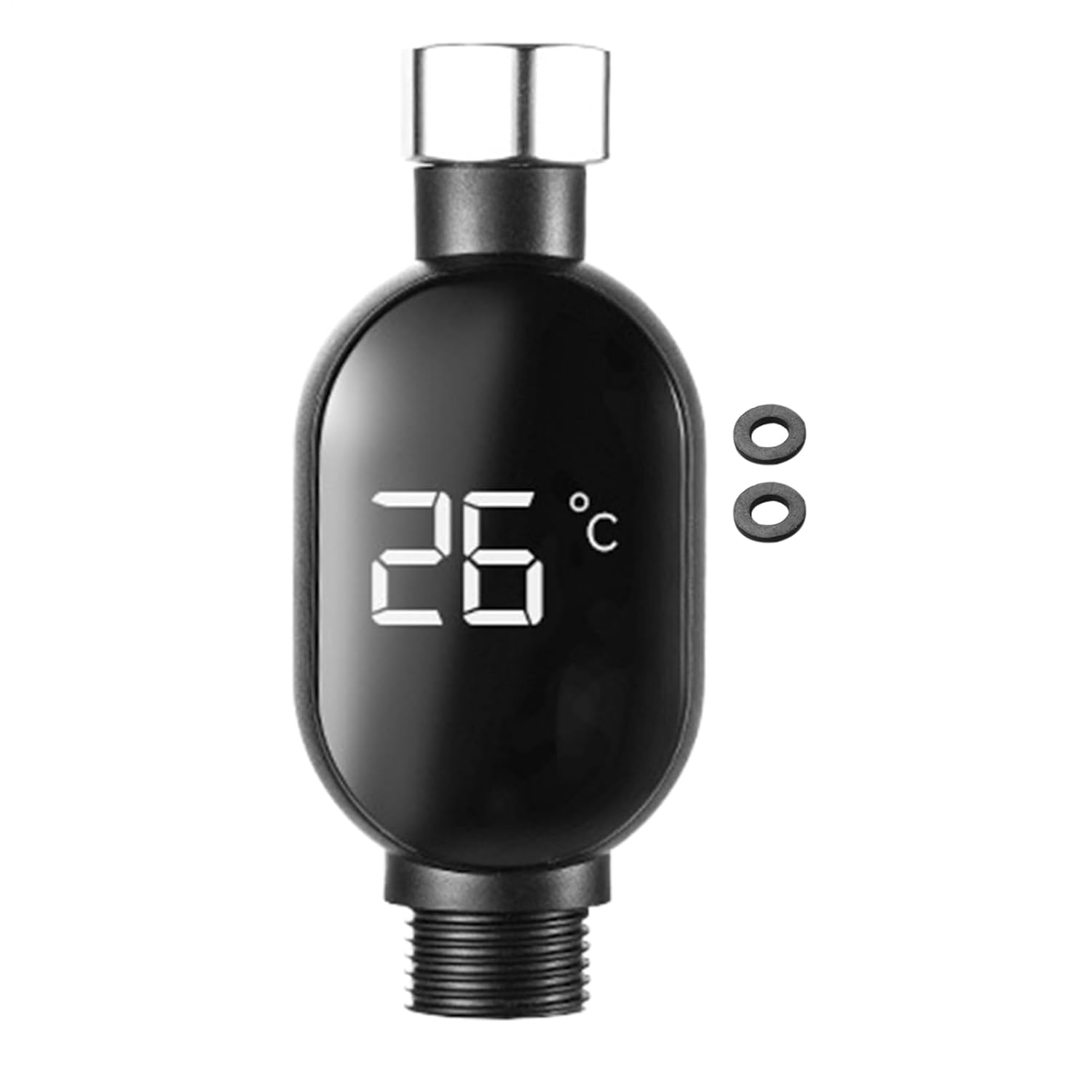
جهاز مراقبة درجة حرارة تدفق المياه
وفر 35%! اشترِ جهاز مراقبة درجة حرارة تدفق المياه بسعر 163.2 د.ل فقط في ليبيا. م
🛒 تسوق الآن Libya Press
The Ministry of Foreign Affairs and International Cooperation of Libya's Government of National Unity (NUG) issued a strong condemnation Thursday of Iranian attacks targeting the Kingdom of Bahrain, the State of Qatar, and the State of Kuwait, according to a statement published by the Libyan News Agency (LANA) on July 10, 2026.
The Ministry stressed that these military actions threaten the security of the three Gulf nations and dangerously exacerbate already-high tensions across the Middle East region.
"Libya renews its full solidarity with its brotherly nations and completely rejects all actions that infringe upon the security and sovereignty of states or endanger the lives of civilians and vital infrastructure," the Foreign Ministry said in its official statement.
The declaration underscores Tripoli's position at a moment of heightened regional volatility, with diplomatic and military flashpoints multiplying across the Gulf and the wider Middle East.
The Ministry of Foreign Affairs added that such attacks negatively impact regional security and peace, emphasizing the critical need to respect the sovereignty of states. It called on all parties to refrain from any actions that would increase tensions in the region.
"The Ministry called on all parties to exercise maximum restraint, prioritize dialogue, and work to de-escalate tensions," the statement continued, noting that a diplomatic path would strengthen regional security and stability while safeguarding the interests of the region's peoples and preserving international peace and security.
This Libyan stance comes amidst a backdrop of rapidly escalating tensions across the Middle East. Iranian strikes against targets in Bahrain, Qatar, and Kuwait mark a significant broadening of the theater of operations, drawing in Gulf states that have largely sought to maintain neutral or mediating positions.
The three targeted nations — Bahrain, Qatar, and Kuwait — have previously played important mediating roles in regional conflicts. Qatar, in particular, has been a key diplomatic channel between various regional actors, including hosting Taliban negotiations and facilitating Gaza ceasefire talks.
The NUG's condemnation is consistent with Libya's long-standing foreign policy principles of non-interference, respect for state sovereignty, and peaceful resolution of disputes. As a nation that has endured its own decade-long conflict and foreign interventions, Libya maintains a principled position against violations of national sovereignty.
Tripoli's position also aligns with broader international calls for de-escalation. The United Nations and several Western capitals have repeatedly urged restraint and diplomatic solutions to prevent the regional conflict from spiraling further out of control.
Libya has historically maintained strong diplomatic and economic ties with Gulf states, particularly Qatar and Kuwait, which have supported the UN-recognized Government of National Unity. This reaffirmation of solidarity reinforces those relationships at a critical juncture.
The statement also implicitly distances the NUG from any suggestion of normalizing or accepting military escalation as a tool of statecraft, reinforcing Libya's commitment to the principles of the United Nations Charter and international law regarding the peaceful settlement of disputes.
The Iranian attacks on the three Gulf states have drawn widespread international condemnation. Several Arab League member states have issued similar statements expressing solidarity with Bahrain, Qatar, and Kuwait while calling for immediate de-escalation.
Diplomatic sources suggest that emergency consultations at the Arab League and the United Nations Security Council are being discussed as the situation continues to develop. The NUG's statement positions Libya firmly within the consensus of states seeking a diplomatic off-ramp to the current crisis.
The Ministry's statement concluded by reiterating that "preserving international peace and security" remains the guiding principle of Libya's foreign policy engagements, calling on all parties to return to the negotiating table.
— Libya Press / Politics Desk