
شاشة عرض مغناطيسية لصور السيلفي
وفر 26%! اشترِ شاشة عرض مغناطيسية لصور السيلفي بسعر 399 د.ل فقط في ليبيا. متوفر
🛒 تسوق الآن Libya Press
North Africa is navigating one of its most consequential weeks in 2026. From the Strait of Hormuz closure reshaping global energy flows to Algeria launching a landmark gas pipeline project, the region stands at a crossroads of crisis and opportunity. Meanwhile, 24 million people across the Sahel face urgent humanitarian need, and new U.S. visa restrictions threaten to sever critical mobility links between Africa and the West. Here is what Libyans need to know.
The ongoing disruption of the Strait of Hormuz has sent shockwaves through global energy markets, directly affecting North Africa's economic outlook. OPEC+ agreed on June 7 to increase oil production by 188,000 barrels per day in July, but analysts say the move will have limited impact because the Hormuz closure has stranded much of the group's oil exports. Prices remain elevated as the U.S.-Iran conflict continues without a ceasefire. For Libya, which depends heavily on oil revenue, the tightened global supply could push prices higher — a double-edged sword that boosts export income while raising domestic fuel costs.
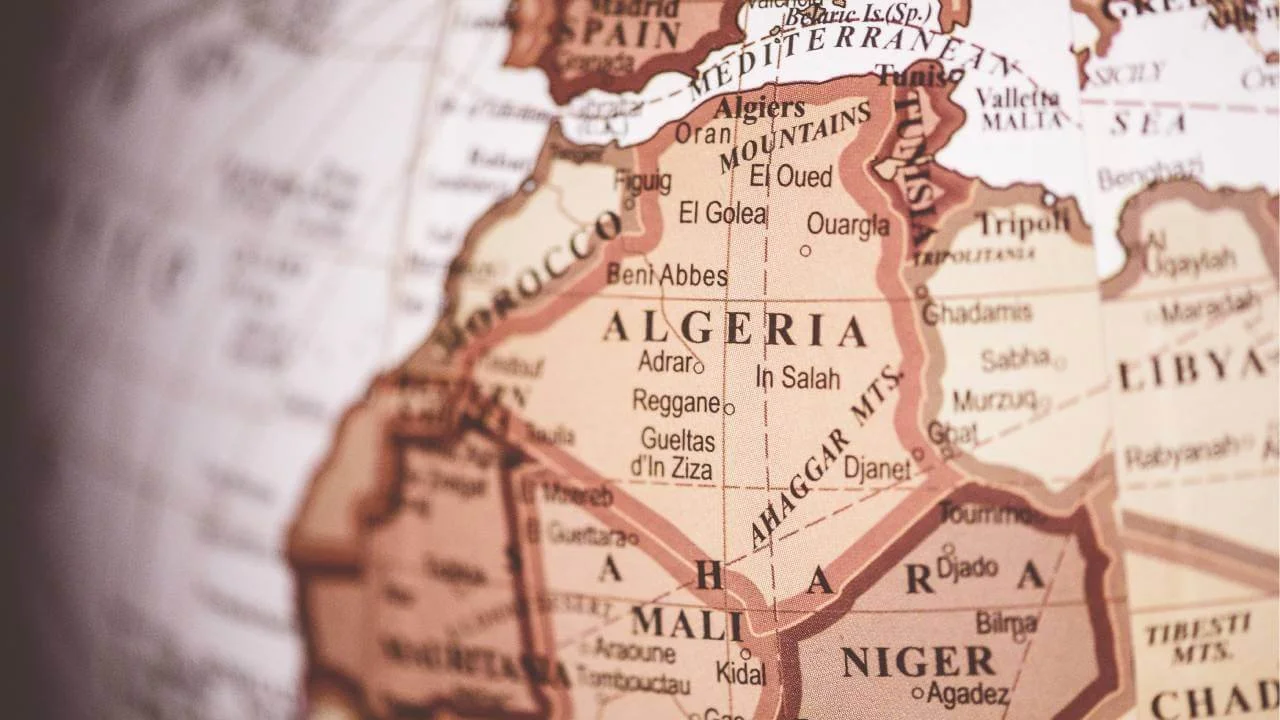
Algeria has begun construction on the Trans-Saharan Gas Pipeline, a strategic megaproject linking Nigeria's gas fields through Niger to European markets. The project, reported by Al-Monitor, is framed as a direct response to the Hormuz closure and surging European demand for non-Gulf energy alternatives. The pipeline positions Algeria — and by extension North Africa — as a critical energy supplier to Europe. For Libya, this regional energy competition underscores the urgency of stabilizing its own oil and gas infrastructure to remain a relevant player in Mediterranean energy markets.
Washington and Ankara are stepping up coordination to unify Libya's divided institutions under the Massad Boulos power-sharing framework, according to Al-Monitor. However, analysts warn that major financial obstacles, resistance from Misrata factions, and internal tensions within the Haftar family mean the unity push faces significant headwinds. "The political landscape in Libya remains deeply fragmented, and external coordination alone cannot bridge the gap without genuine buy-in from Libyan stakeholders," regional observers note. The involvement of both the U.S. and Turkey — two of Libya's most influential external actors — signals that international pressure for unity is intensifying, not diminishing.
Libya sits at the center of every major trend shaping North Africa this week. The energy market disruption directly impacts the country's primary revenue source. Algeria's pipeline ambitions raise the competitive stakes for regional energy exports. The U.S.-Turkey unity push could determine Libya's political trajectory for years to come. And the deepening Sahel crisis — with 24 million people in need and armed groups like JNIM and ISIS Sahel Province expanding — threatens Libya's southern border stability. Libyans should watch these developments closely: what happens in North Africa this month will shape the country's economy, security, and political future well into 2027.
The coming weeks will be decisive. If the Hormuz situation persists, North African energy exporters including Libya could see sustained revenue gains — but only if production and export infrastructure remain functional. The U.S.-Turkey Libya initiative needs tangible progress by summer's end to maintain credibility. And the Sahel humanitarian crisis demands international attention before it spills further across borders. For Libya, the message is clear: stability is not just a domestic priority — it is the key to unlocking the region's enormous economic potential. The opportunity is real, but the window is narrow.
— LibyaPress / Politics Desk