
كاشف الكاميرات الخفية
وفر 17%! اشترِ كاشف الكاميرات الخفية بسعر 390 د.ل فقط في ليبيا. متوفر حالياً، ال
🛒 تسوق الآن Libya Press
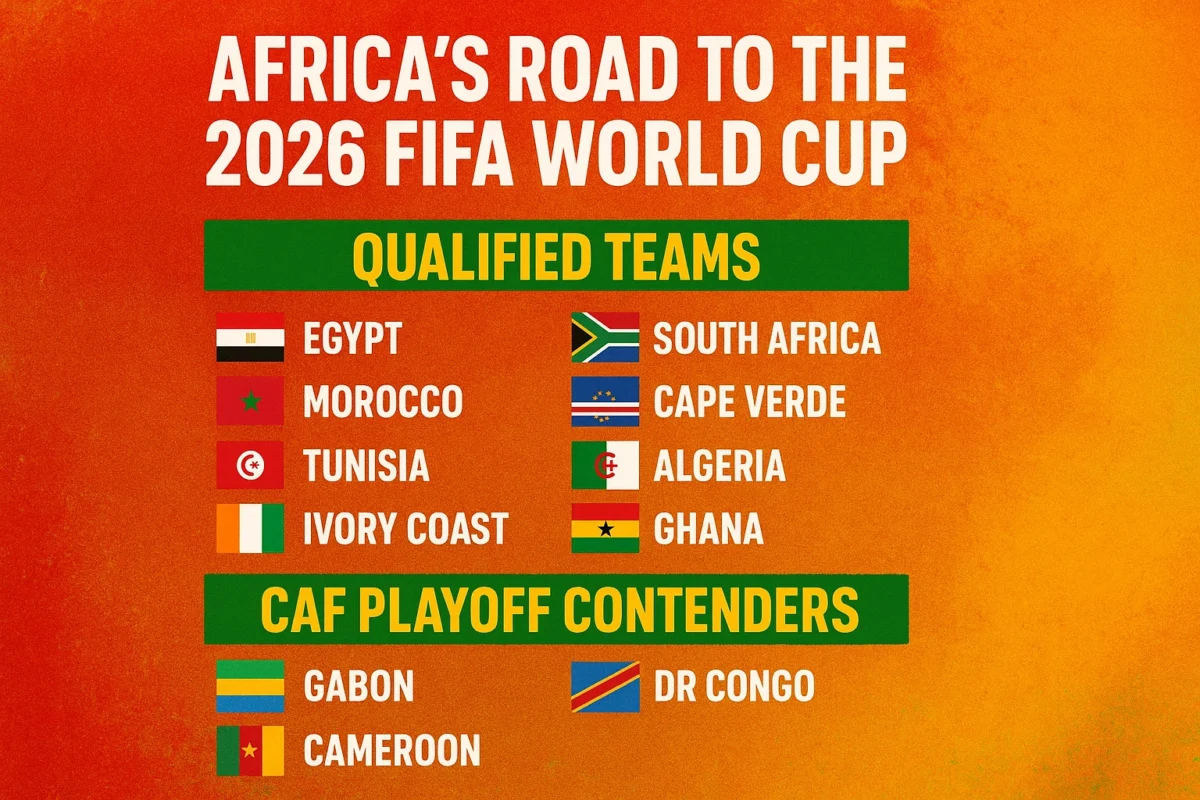
403 million fans across Africa are gearing up for what analysts call the most consequential World Cup in continental history. With record prize money, expanded broadcasting rights, and a new generation of elite players, African nations are not just participating — they are competing to win. The 2026 FIFA World Cup, hosted across the United States, Canada, and Mexico, represents a turning point for a continent that has waited decades for this moment.
Morocco's stunning semifinal run at Qatar 2022 shattered every expectation. Now, sub-Saharan nations like Senegal, Ghana, and South Africa are determined to build on that legacy. According to BBC Sport, the traditional talent drain — where African-born players represented European nations — is reversing. More players of African heritage are choosing to represent their countries of origin, strengthening national squads across the continent.
The financial landscape of African football has transformed dramatically. CAF, the Confederation of African Football, has repositioned itself aggressively in the global sports business arena. Broadcasting rights for African World Cup qualifiers have reached record valuations, while sponsorship deals with major international brands have increased by over 30 percent since 2022.
Player valuations tell the same story. The combined market value of African players in Europe's top five leagues now exceeds 2 billion euros. From Mohamed Salah at Liverpool to Victor Osimhen at Napoli, African stars are no longer exceptions — they are central figures in the world's most competitive leagues.
"This is not just about football — this is about Africa's place in the global order," said one senior CAF official involved in World Cup preparations. "When Morocco reached the semifinal, it changed the psychology of every young player on this continent. They now believe they can win, not just compete."
BBC Sport's analysis highlights a fundamental shift: the talent pipeline that once drained Africa's best players toward European national teams is reversing. Dual-heritage players increasingly choose African nations, driven by cultural pride, playing opportunities, and the growing prestige of African football.
For Libyan football fans, this World Cup carries special significance. North African nations — Morocco, Tunisia, Egypt, and Algeria — have long been Africa's football powerhouses. Libya's own football community, rebuilding through youth academies and domestic league reforms, watches closely as the continent raises its competitive ceiling.
The success of neighboring countries demonstrates what sustained investment in grassroots football can achieve. Libyan sports analysts note that Morocco's 2022 breakthrough was built on a decade-long investment in youth development — a model Libya is actively studying as it rebuilds its football infrastructure.
The 2026 World Cup represents Africa's best chance ever to claim football's ultimate prize. With expanded slots, stronger squads, and unprecedented global attention, the continent is positioned to make history. Whether it is a North African powerhouse or a sub-Saharan challenger, one thing is certain: Africa is playing for much more than a match. It is playing for legacy, pride, and a place at the very top of world football.
— LibyaPress / Sports Desk