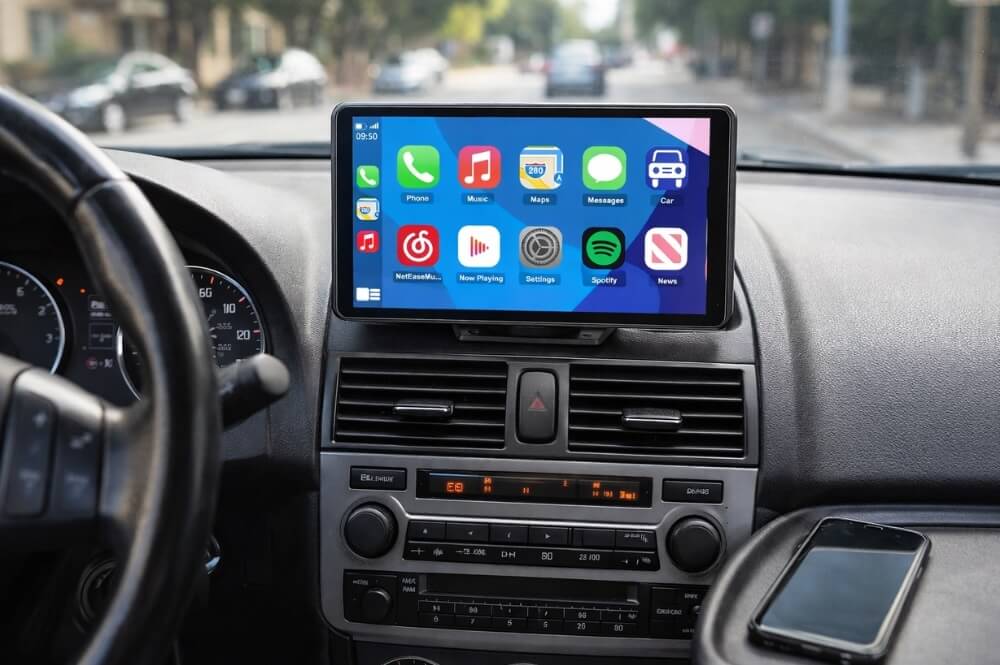
شاشة سيارة لاسلكية
وفر 25%! اشترِ شاشة سيارة لاسلكية بسعر 1099 د.ل فقط في ليبيا. متوفر حالياً، الدف
🛒 تسوق الآن Libya Press
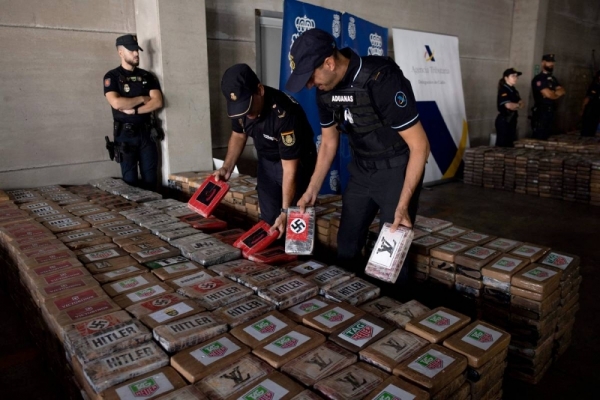
Malta customs officers have seized 113 kilograms of cocaine hidden inside a shipping container at Malta Freeport, in what authorities are calling one of the largest drug interceptions in recent months. The container, which arrived from Costa Rica, was awaiting transhipment to Libya when customs officers flagged it for inspection. The discovery was made during a routine scan of the cargo, which revealed the narcotics concealed among declared goods.
The Malta Tax and Customs Administration confirmed the seizure in a statement released Thursday, noting that the container was intercepted before it could leave Maltese waters. The street value of the seized cocaine is estimated to be in the tens of millions of euros, though authorities have not disclosed an exact figure pending the ongoing investigation.
According to the Times of Malta, the container arrived at Malta Freeport from Costa Rica and was scheduled for transhipment to Libya. During a standard scanning procedure, customs officers detected anomalies within the cargo. A subsequent physical inspection revealed the cocaine hidden among legitimate declared goods packed inside the container.
The Malta Police Force Drug Squad was immediately notified and launched a full investigation. A magisterial inquiry has been opened under the supervision of an investigating magistrate to determine the full scope of the smuggling network and identify all individuals involved in the operation.
This seizure highlights the growing use of Malta as a transit point for narcotics destined for North African markets. Malta Freeport, located at the crossroads of major Mediterranean shipping routes, handles over 3 million containers annually, making it both a vital economic asset and a potential vulnerability for drug trafficking networks.
European agencies have flagged the Central Mediterranean as a corridor exploited by international cartels rerouting South American shipments through hubs like Malta toward North Africa.
For Libya, this interception represents both a victory and a warning. The seizure prevented a massive quantity of cocaine from reaching Libyan shores, where it would have fueled addiction, funded criminal networks, and destabilized communities already struggling with the aftermath of years of conflict.
Libya's long coastline and limited border enforcement capacity have made it an attractive target for drug trafficking organizations. The country serves as both a destination and a transit point for narcotics moving across the Sahel and into Europe. International organizations including the United Nations Office on Drugs and Crime (UNODC) have repeatedly called for enhanced maritime surveillance and port security cooperation between Libya and its Mediterranean neighbors.
The fact that 113 kilograms were destined for Libya in a single shipment suggests that traffickers view the country as a high-value market with relatively low interception risk. This seizure should serve as a catalyst for stronger bilateral cooperation between Libyan and Maltese authorities to dismantle the networks exploiting this route.
Malta police are expected to work closely with international partners, including Europol and Interpol, to trace the origins of the shipment and identify the criminal network behind it. Libyan authorities have not yet issued a public statement regarding the seizure, but the interception is likely to prompt renewed calls for enhanced port security and cross-border cooperation.
For Libyans, this bust is a reminder that the drug trade remains a serious threat to national security and public health. Strengthening border controls, investing in detection technology, and building regional partnerships are essential steps to prevent Libya from becoming a hub for international narcotics trafficking.
— LibyaPress / Security Desk