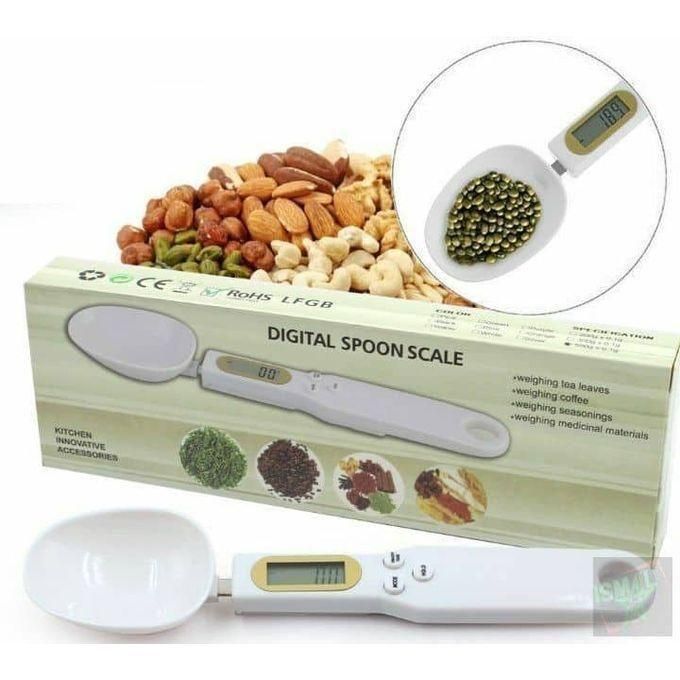
ملعقة إلكترونية ميزان
وفر 23%! اشترِ ملعقة إلكترونية ميزان بسعر 268 د.ل فقط في ليبيا. متوفر حالياً، ال
🛒 تسوق الآن Libya Press
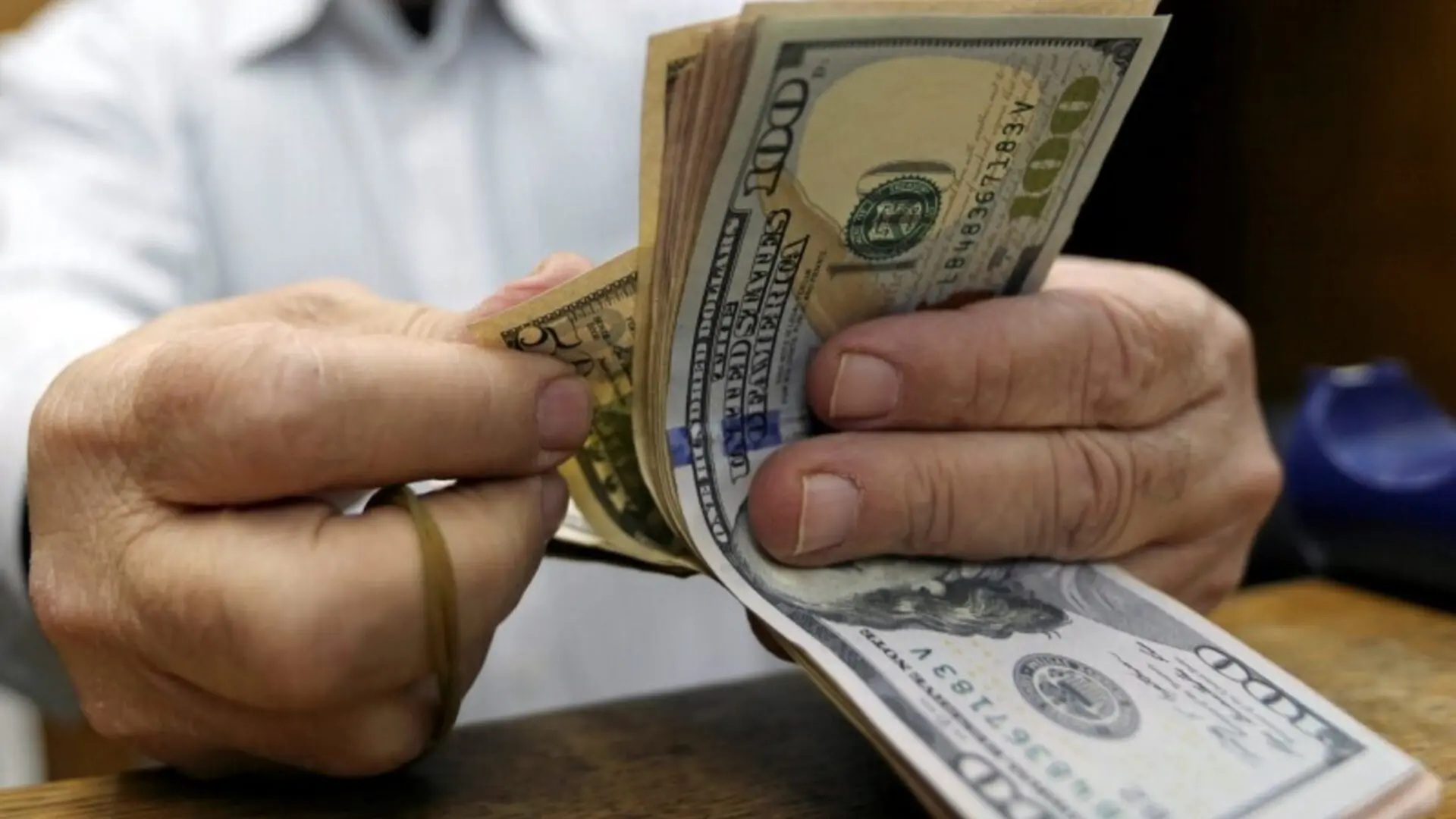
The US dollar held steady above the 8.41 Libyan dinar threshold on the black market on Friday, June 12, 2026, maintaining a gap of nearly 32 percent over the official exchange rate. Despite sustained efforts by the Central Bank of Libya to bring the rate closer to 7 dinars, the parallel market continues to dictate the country's real currency dynamics, according to data compiled from multiple Libyan financial platforms.
The greenback traded at approximately 8.41 LYD for cash settlements and climbed to 8.60 LYD for check-based transactions, reflecting heightened demand for US currency driven by import needs and hedging against potential disruptions in banking operations over the coming week. On the official side, the Central Bank of Libya's average rate remained fixed at 6.37 LYD, with buying at 6.36 LYD and selling at 6.39 LYD, as the banking sector observed its weekend closure.
The Central Bank of Libya has moved to curb the parallel market's influence by doubling the personal foreign exchange allocation from 2,000 to 4,000 US dollars per individual. The policy shift aims to redirect citizens toward official banking channels and inject greater dollar liquidity into the formal economy. Analysts, however, caution that this measure alone may not be sufficient to achieve lasting stability.
"The official efforts to attract liquidity toward banks and exchange companies may not be enough on their own to achieve the desired stability, unless they are accompanied by more effective regulatory and security measures to limit the parallel market's activity," financial observers noted. The parallel market's reach now directly shapes import prices across Libya, amplifying the cost-of-living pressure on ordinary citizens.
For Libyan families, the nearly 2-dinar gap between official and black market rates translates directly into higher prices for imported goods — from food staples to electronics and medicine. A 100-dollar transaction that costs 637 dinars at the official rate demands 841 dinars on the parallel market, a difference of 204 dinars that Libyan consumers cannot afford to ignore.
The widening spread also reflects a deep structural challenge: the banking sector's limited capacity to supply foreign currency to individuals and importers. With official sales channels frequently stalled, businesses and households have little choice but to turn to the parallel market, reinforcing its dominance.
Market watchers expect the dollar to remain above the 8-dinar level in the near term, supported by speculative activity and sustained demand. The combination of banking sector slowdowns and the suspension of official foreign currency sales to individuals and importers continues to fuel the parallel market's strength. Until the Central Bank can ensure consistent dollar supply through formal channels, the black market is likely to remain Libya's de facto exchange rate setter.
The coming weeks will be critical. If the expanded 4,000-dollar personal quota successfully draws citizens back to banks, it could gradually narrow the gap. But without parallel reforms — including tighter oversight of currency trading and faster processing of import-related forex requests — the structural imbalance between official and parallel rates will persist, keeping Libyan households under financial strain.
— LibyaPress / Economy Desk