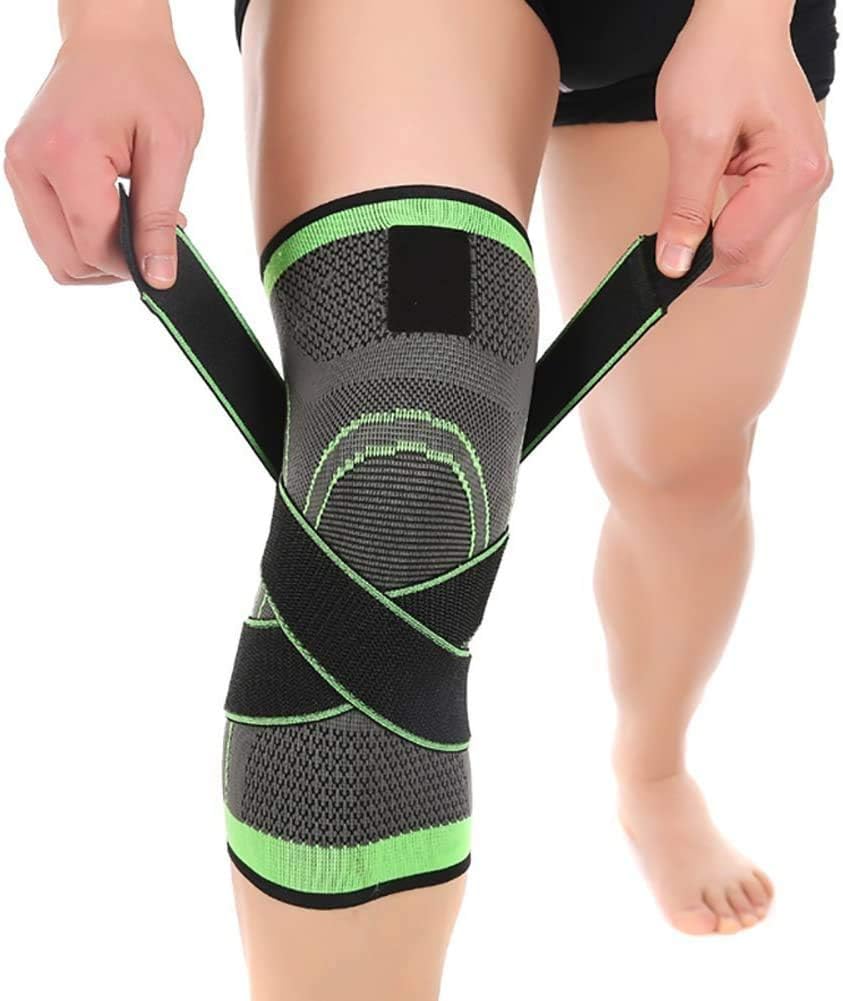
كم الركبة الضاغط
وفر 24%! اشترِ كم الركبة الضاغط بسعر 198 د.ل فقط في ليبيا. متوفر حالياً، الدفع ع
🛒 تسوق الآن Libya Press
The African Development Bank (AfDB) has forecast Libya's economy to grow by 6.5% in 2026, while inflation is expected to remain contained at 2.5%, according to the institution's latest African Economic Outlook report released this week. The projections hinge on continued stability in the country's security situation and sustained oil production levels, which remain the backbone of the Libyan economy.
Libya, Africa's largest crude oil holder with proven reserves of approximately 48 billion barrels, has seen a gradual recovery in hydrocarbon output over the past two years. Oil revenues, which account for roughly 84% of government income, have been on an upward trajectory following the reopening of key production facilities and export terminals that had faced repeated shutdowns due to political blockades.
The AfDB report highlights that Libya's oil production has stabilized near 1.2 million barrels per day in recent months, a significant improvement from the volatile output levels seen during 2024 and early 2025, when production dropped below 400,000 bpd during periods of political tension. This recovery in hydrocarbon receipts has bolstered government finances and supported modest growth in public spending.
However, the bank cautioned that these projections are conditional. "The outlook remains highly dependent on the security environment and Libya's ability to maintain uninterrupted oil exports," the report stated, flagging that any renewed conflict or political fragmentation could quickly reverse gains.
For ordinary Libyans, the inflation projection of 2.5% offers a measure of relief after years of price instability. The cost of basic commodities, including food, fuel, and building materials, has remained a persistent concern in cities like Tripoli, Benghazi, and Misrata, where purchasing power has eroded significantly since the economic disruptions of 2020.
"These numbers tell us that Libya is on a path to recovery, but the benefits are not reaching families equally," said a Tripoli-based economic analyst who reviewed the AfDB findings. "The challenge remains translating macroeconomic gains into improved living standards, job creation, and reliable public services across all regions."
At 6.5%, Libya's projected GDP growth rate would place it among the fastest-growing economies in North Africa for 2026, outperforming neighbors like Tunisia (projected 2.8%) and Algeria (estimated 3.2%), though from a much lower base following years of conflict. Egypt, the region's largest economy, is forecast at around 4.5%.
The AfDB also noted that global economic conditions, including the ongoing Middle East tensions flagged by United Nations analysts in May 2026, could create headwinds for inflation worldwide, making Libya's 2.5% projection particularly notable if achieved.
Despite the optimistic headline figures, the AfDB identified structural vulnerabilities that could undermine long-term stability. Libya's near-total dependence on oil revenue, the divided institutional landscape between eastern and western governments, and the absence of a unified national budget remain critical risks.
The bank recommends accelerated economic diversification, improved governance of oil revenues through transparent mechanisms, and investment in infrastructure to support private sector growth. Without these reforms, Libya risks repeating the boom-bust cycle that has defined its economy for decades.
Libya's economic trajectory in 2026 will ultimately depend on political will as much as oil prices. The renewed engagement of international financial institutions like the AfDB, combined with sustained oil output, provides a foundation for recovery. For millions of Libyans, the hope is that this growth translates into real opportunities: stable electricity, functioning banks, and jobs beyond the public sector.
LibyaPress will continue to monitor economic developments and provide updates as the AfDB releases revised projections throughout the year.
— LibyaPress / Economy Desk