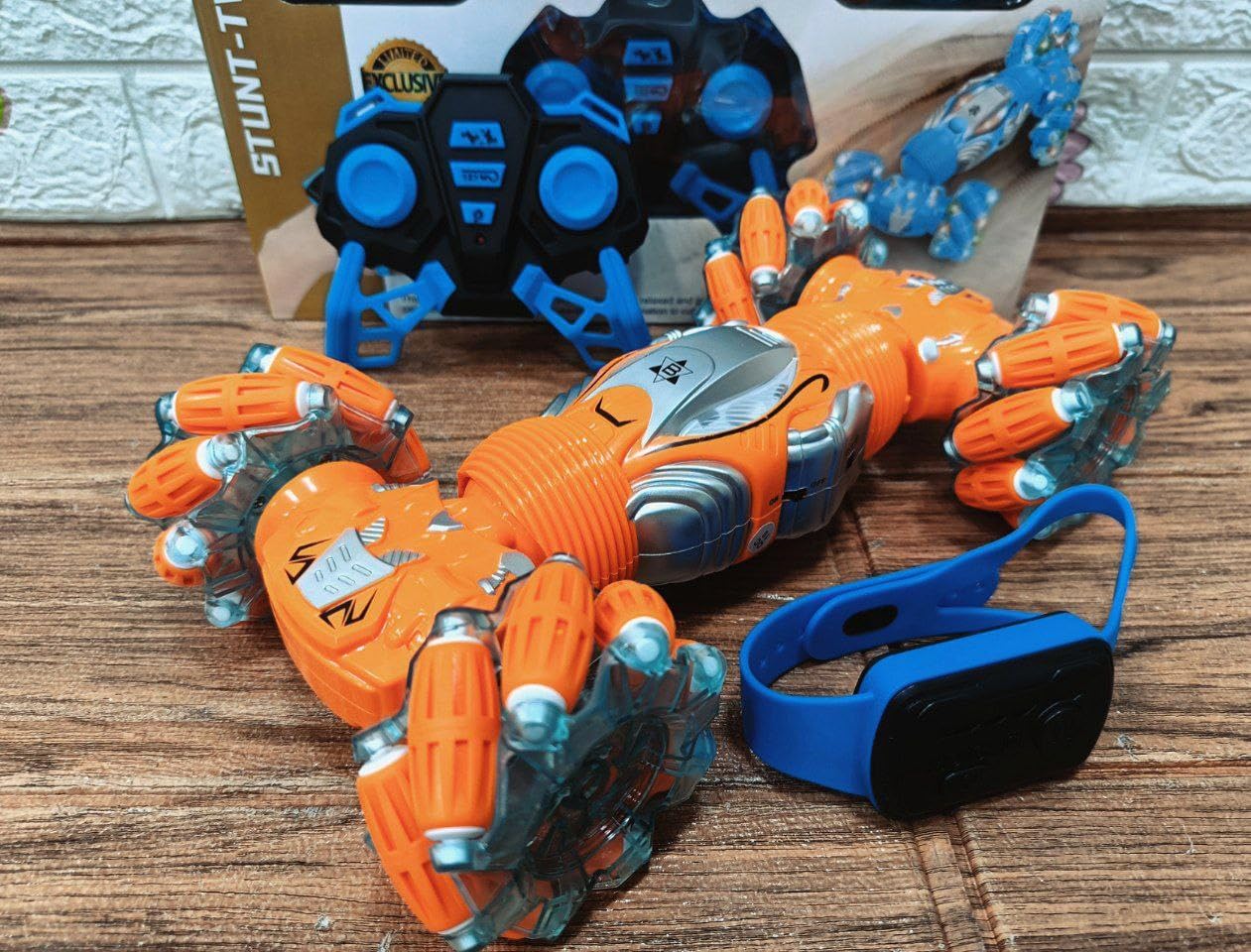
سيارة الدوارة جهاز التحكم عن بعد
وفر 17%! اشترِ سيارة الدوارة جهاز التحكم عن بعد بسعر 450 د.ل فقط في ليبيا. متوفر
🛒 تسوق الآن Libya Press
More than 300 young men from Iraq's Kurdistan Region were kidnapped, tortured, and threatened with forced organ removal by an armed militia in Libya last summer. The victims, all aged between 18 and 35, had paid thousands of dollars to be smuggled to Britain via North Africa. Instead, they were held in a guarded compound where captors demanded $5,000 in ransom from each family — warning that hostages would "pay with a kidney" if the money did not arrive quickly.
The BBC obtained exclusive testimony from survivors who described being crammed into cells with up to 180 people sharing a single room. At least one hostage is confirmed dead, and the fate of many others remains unknown. Photographs and videos sent by the captors show scars that surgeons say are consistent with kidney removal surgery.
The smuggling route began in Ranya, a town in Sulaymaniyah Governorate known as a trafficking hub according to British think tank Chatham House. The migrants were flown to Libya in summer 2025, expecting passage across the Mediterranean to Europe. Instead, a dispute over unpaid fees between smugglers led to the hostages being seized.
The militia claimed the $5,000 ransom was money owed by Kurdish smuggler Noah Harun, who allegedly failed to pay for safe passage. Harun is serving a 10-year sentence in France for money laundering and human trafficking. A second smuggler, Cardo Gaf, was arrested last month following a BBC investigation in Ranya, where both men are from.
A father from Ranya told the BBC that he paid the ransom after receiving a video showing his son being told he would be taken to a doctor for kidney removal. His son was among the 110 freed hostages who returned to Iraq in January. The father showed a photograph his son sent from captivity, showing a fresh surgical scar that a British medical consultant said was "consistent with the type of incision made during a kidney removal procedure."
"Within minutes of speaking with this man, dozens of others came forward showing similar photos on their phones," the BBC reported. The families have not been named for safety reasons.
Libya has become one of the world's most dangerous transit points for migration, with competing armed groups controlling large swaths of territory and human trafficking networks operating with near impunity. UN Special Adviser Anthony Dinkley, who investigated human trafficking in Libya, described the country as having "an enormous government vacuum" where criminal groups exploit the lack of state authority, making investigations and prosecutions extremely difficult.
For Libyans, this case highlights the deadly consequences of the migration crisis. Armed groups on Libyan soil profit from the desperation of people fleeing conflict, while the absence of rule of law allows trafficking networks to thrive. The case underscores the urgent need for international cooperation to dismantle rings that use Libya as a gateway to Europe.
The BBC investigation led to the arrest of Cardo Gaf and exposed a network stretching from Ranya in northern Iraq to detention compounds in Libya. Survivors continue to come forward with evidence of torture and forced medical procedures. Human rights organizations are calling for a full international investigation into the trafficking allegations and for remaining hostages to be freed.
Families in Kurdistan are still waiting for news of their loved ones. "Every day we wake up not knowing if our sons are alive," one mother said. The Iraqi government has pledged to continue diplomatic efforts, but with Libya's fragmented security landscape, the path to rescuing captives remains uncertain.
— LibyaPress / Security Desk