
قطاعة اليدوية للخضراوات 4 في 1
وفر 35%! اشترِ قطاعة اليدوية للخضراوات 4 في 1 بسعر 162.24 د.ل فقط في ليبيا. متو
🛒 تسوق الآن Libya Press
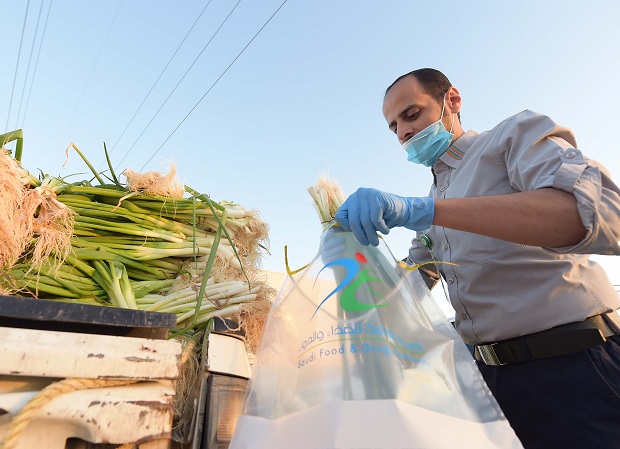
The Libyan Ministry of Local Government has released alarming results from a comprehensive testing campaign on agricultural products across three of the country's largest cities. Out of 765 samples collected from Tripoli, Benghazi, and Misrata, 65.3% were found to contain pesticide residues, with nearly half exceeding internationally permitted maximum residue limits (MRLs).
The findings, announced on July 25, 2026, highlight growing concerns over food safety standards and agricultural practices in Libya. The sampling campaign covered a wide range of fresh produce and agricultural goods commonly consumed by Libyan households.
The Ministry's testing initiative targeted major urban markets across western, eastern, and central Libya. Tripoli, the capital, Benghazi in the east, and Misrata in the northwest were selected as representative sampling points due to their large population centers and role as primary distribution hubs for agricultural products.
A total of 765 samples were collected from local markets, farms, and distribution points in these cities. The samples were analyzed for pesticide residues and compliance with international food safety standards established by the Codex Alimentarius Commission and the World Health Organization (WHO).
The test results revealed that 65.3% of all collected samples contained detectable levels of pesticide residues. More concerning, 44.7% of the total samples surpassed the maximum residue limits permitted by international food safety authorities. This means nearly half of the agricultural products tested in these three cities would not meet global safety standards for human consumption.
Agricultural experts note that excessive pesticide residue can pose significant health risks, including long-term effects on the nervous system, increased cancer risk, and hormonal disruption. Children and pregnant women are particularly vulnerable to the effects of pesticide exposure through contaminated food.
The findings raise urgent questions about agricultural regulation and oversight in Libya. While pesticides are essential for crop protection and food production, their improper or excessive use — combined with inadequate pre-market testing — exposes consumers to unnecessary health risks.
Libya's agricultural sector has faced numerous challenges over the past decade, including limited access to modern farming equipment, training, and quality control systems. The lack of a robust national food safety monitoring framework has been a recurring concern among public health experts and international organizations operating in the country.
The Ministry of Local Government has stated that it will intensify monitoring efforts and work with relevant authorities to address the root causes of pesticide overuse. Recommendations may include stricter enforcement of pesticide import regulations, farmer training programs on proper application methods, and expanded testing capacity at local laboratories.
Libya's food safety challenges are not unique in the region. Several North African and Middle Eastern countries face similar issues with pesticide residue in fresh produce due to weak regulatory enforcement and limited laboratory infrastructure. However, the contamination rate of 65.3% recorded in this study is notably high compared to regional averages.
The World Food Programme (WFP) and the Food and Agriculture Organization (FAO) have previously highlighted food safety as a critical area requiring investment in Libya. Improved cold chain logistics, better storage facilities, and regular market surveillance are among the recommended interventions to protect public health.
In light of these findings, food safety experts advise consumers to take practical steps to reduce exposure:
The Ministry has indicated that follow-up studies will be conducted to track improvements over time and expand testing to additional cities across Libya.
— Libya Press / News Desk