
نظارات واقية للدراجات النارية
وفر 24%! اشترِ نظارات واقية للدراجات النارية بسعر 219 د.ل فقط في ليبيا. متوفر حا
🛒 تسوق الآن Libya Press
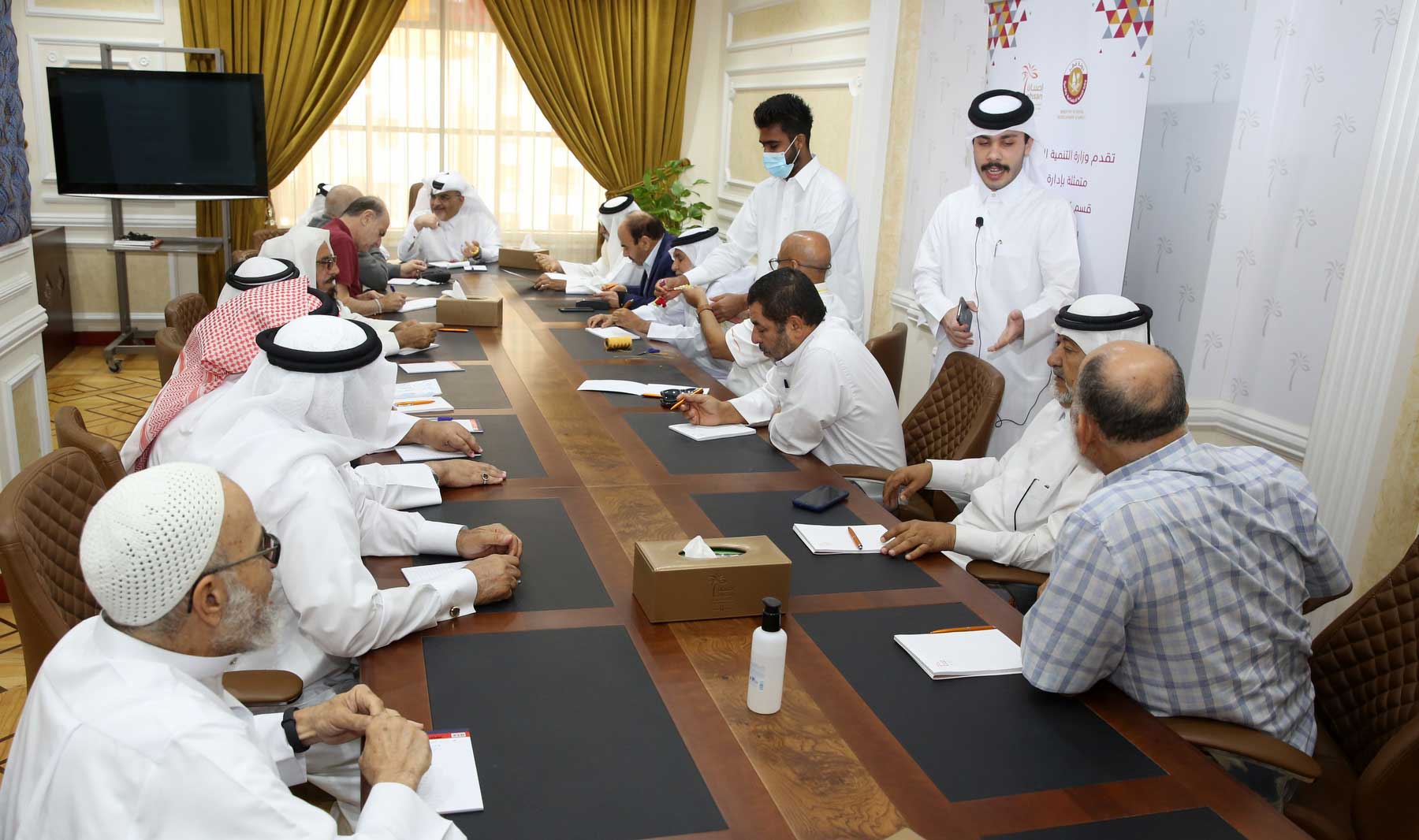
Libya's Minister of Social Affairs, Wafaa Abu Bakr Al-Kilani, convened a high-level meeting at the headquarters of the General Authority for the Social Solidarity Fund on Tuesday to review the Fund's operational plan and affirm the government's commitment to expanding services for people with disabilities. The meeting brought together key decision-makers, including the Chairman of the Authority's Management Committee, Mustafa Al-Juaibi, alongside committee members and department directors.
The session focused on accelerating reforms aimed at improving social protection mechanisms across the country. Minister Al-Kilani emphasized that the Social Solidarity Fund represents a cornerstone of Libya's social safety net, particularly for vulnerable populations who depend on its programs for essential support.
The meeting produced several concrete outcomes signaling a renewed push for institutional development within Libya's social affairs sector:
A central theme was the development of services specifically designed for people with disabilities. Minister Al-Kilani stressed that inclusive social policy must go beyond financial assistance to encompass rehabilitation, education, and employment integration, calling on all departments to adopt a rights-based approach aligned with international standards.
Mustafa Al-Juaibi, Chairman of the Steering Committee, briefed the Minister on ongoing projects and acknowledged the need for stronger inter-agency coordination. He noted that while significant progress has been made in recent months, challenges remain in reaching beneficiaries in remote and conflict-affected areas where infrastructure is limited.
The push for improved social services comes at a critical time for Libyan families. Thousands of households rely on the Social Solidarity Fund for basic needs, including healthcare subsidies, educational support, and disability allowances. For many families in Tripoli, Benghazi, and smaller towns, these programs represent the only reliable source of government assistance.
Local organizations working with people with disabilities have long advocated for more comprehensive support systems. The Fund's current reach, while significant, still leaves gaps in rural communities where access to specialized services remains limited. Tuesday's meeting signals political will to address these disparities through institutional reform rather than ad hoc measures.
The Social Solidarity Fund is one of the few functioning social protection mechanisms in Libya, operating across political divides to serve citizens in both eastern and western regions. Its effectiveness directly impacts the daily lives of hundreds of thousands of Libyans, particularly the elderly, orphans, widows, and people with disabilities.
For a country that has endured over a decade of conflict and institutional fragmentation, strengthening social safety nets is not merely a policy matter — it is a stability issue. When citizens see tangible improvements in government services, it builds trust in state institutions. Minister Al-Kilani's hands-on approach reflects a broader recognition within the Government of National Unity that social welfare is foundational to national cohesion.
The 30-day progress report deadline sets a clear timeline for accountability. If the Management Committee delivers on its commitments, Libyans could see measurable improvements in service delivery by mid-summer. The digitization of registration systems alone could dramatically reduce wait times for thousands of families navigating bureaucratic processes.
LibyaPress will continue to monitor the implementation of these reforms and report on outcomes as they develop. For now, Tuesday's meeting represents a concrete step forward — not just in policy, but in the lived reality of Libya's most vulnerable citizens.
— LibyaPress / Politics Desk