
زيت تقشير الوجه واليدين
وفر 32%! اشترِ زيت تقشير الوجه واليدين بسعر 162.24 د.ل فقط في ليبيا. متوفر حاليا
🛒 تسوق الآن Libya Press
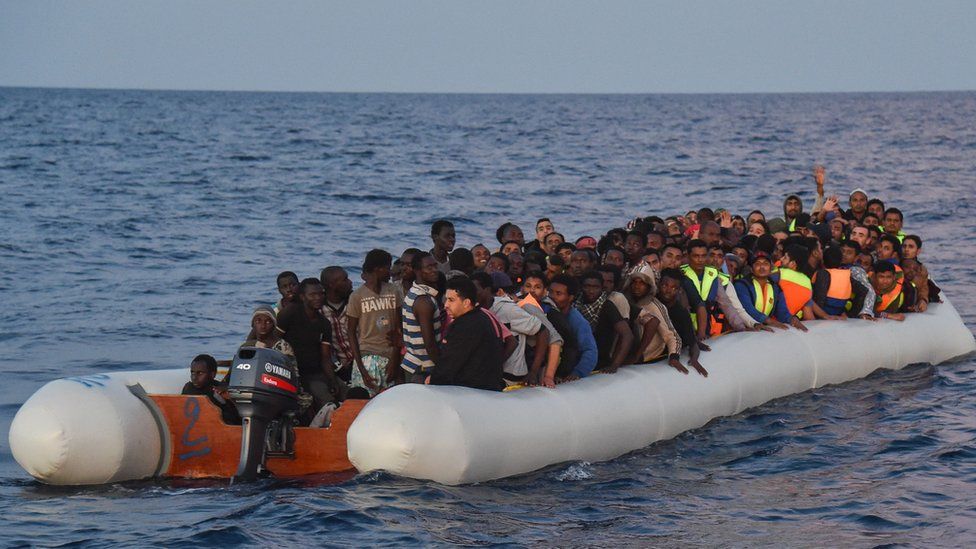
Over 1,200 migrants were detained in a single week across Tripoli, Benghazi, and Misrata, triggering urgent condemnation from Amnesty International, which says the European Union is “directly enabling” Libya’s intensified crackdown.
The crackdown—sparked by political pressure from EU member states—has included mass arrests, forced evictions from informal settlements, and the expulsion of over 300 individuals to countries where they face arbitrary detention and torture, according to verified reports from the International Organization for Migration (IOM) and UNHCR.
In the last 24 hours, Libyan authorities in both eastern and western regions escalated operations targeting migrants and refugees, with security forces raiding residential areas and detention centers. Reuters Africa confirmed that at least 173 individuals—122 of them from sub-Saharan Africa—were handed over to armed groups with documented histories of abuse, including extortion and forced labor.
The Libyan Interior Ministry has not responded to requests for comment, but internal documents obtained by Amnesty International show coordination with EU-funded border control units, including the EU Border Assistance Mission (EUBAM), which provided training and equipment to Libyan units involved in the recent raids.
A 24-year-old Gambian man, identified as Ousmane S. for his safety, told Amnesty International: “They surrounded our building at dawn. When I tried to run, they shot me in the leg. I woke up in Zawiya center—no food, no medicine, and no way to call my family.” His account was corroborated by medical records from the Tripoli Medical Center and satellite imagery showing new fencing erected around the facility on June 21.
Libya is not just a transit country—it is increasingly becoming a de facto detention zone for EU migration policy, with real consequences for Libyan citizens. The influx of armed groups involved in migrant operations has fueled localized tensions in Misrata, Zliten, and Sabratha, where rival militias now compete for control of smuggling networks and EU-funded “reception centers.”
Additionally, international sanctions targeting Libyan entities linked to migrant abuse—including three banks and four security firms—have disrupted remittance flows that support over 400,000 Libyan households, according to the Central Bank of Libya’s latest report. As repression grows, so does instability—and that instability directly threatens Libya’s fragile security gains.
Amnesty International is calling on the EU to immediately suspend all cooperation with Libyan units involved in abuses and launch an independent investigation into complicity. Meanwhile, the UN Human Rights Council is expected to vote on an emergency resolution this week—giving Libya one final chance to uphold its international obligations before formal sanctions are considered.
Libyan civil society groups, including the League for Human Rights and the Tripoli Legal Aid Network, are urging the public to monitor and report violations—because when migrants are targeted, everyone’s rights are at risk.
— LibyaPress / Security Desk