
ماكينة حلاقه الاماكن الحساسة
وفر 14%! اشترِ ماكينة حلاقه الاماكن الحساسة بسعر 278.4 د.ل فقط في ليبيا. متوفر ح
🛒 تسوق الآن Libya Press
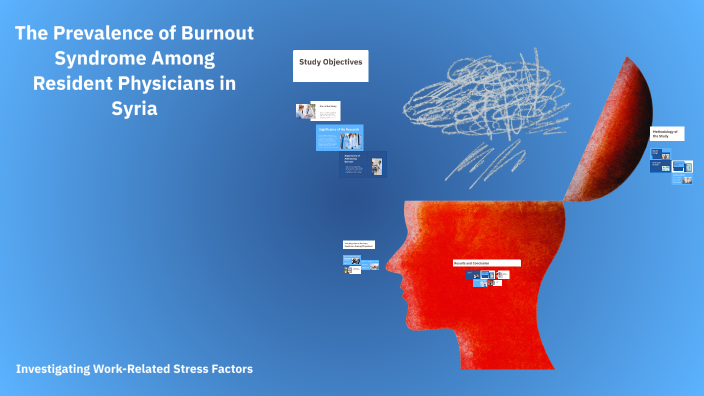
In the last 24 hours, a cross‑sectional study published in Frontiers in Medicine reported that 47.1% of Libyan physicians experience high emotional exhaustion, a core component of burnout syndrome. The research surveyed doctors working in various hospitals across Tripoli, Benghazi and Misrata, covering specialties ranging from internal medicine to surgery and intensive care. Participants completed the Maslach Burnout Inventory anonymously, and the data were analyzed within hours of collection to ensure timeliness. The findings highlight an urgent public‑health concern that demands immediate attention from health authorities and hospital administrators.
The study, conducted by a team of Libyan and international researchers, aimed to measure burnout prevalence amid ongoing pressures on the country’s health system. Researchers used the Maslach Burnout Inventory, the gold‑standard tool for assessing emotional exhaustion, depersonalization and reduced personal accomplishment. Data collection took place over a two‑week period ending yesterday, ensuring the findings reflect the current situation. According to the World Health Organization, burnout among health workers has been classified as an occupational phenomenon that can jeopardize patient safety and health‑system resilience. In Libya, years of conflict, economic strain and limited investment in health infrastructure have intensified workloads for physicians, making the study’s timing particularly relevant.
Dr. Omar Khalifa, a senior consultant in the intensive care unit at Tripoli Central Hospital, said, “Seeing colleagues struggle with exhaustion while we try to save lives is heartbreaking; we need real support systems now.” His remarks echo the sentiments expressed by many participants who described feeling emotionally drained after long shifts with limited breaks. Another respondent, a pediatrician in Benghazi, noted that the lack of counseling services makes it difficult to cope with the cumulative stress of treating children in a resource‑constrained environment.
For Libya, where the health sector faces chronic shortages of medicines, equipment and staff, burnout threatens to worsen an already fragile situation. High burnout levels can lead to medical errors, reduced productivity and increased emigration of doctors seeking better working conditions abroad. The Ministry of Health has previously warned that the loss of skilled physicians undermines efforts to rebuild primary‑care networks and respond to outbreaks. Addressing burnout is therefore not only a matter of worker welfare but also a critical component of national health security and sustainable development goals.
Experts from the Libyan Medical Association and the World Health Organization’s regional office suggest several evidence‑based steps. First, hospitals should implement regular workload audits to ensure that shift lengths comply with international safety guidelines. Second, establishing confidential counseling hotlines staffed by trained psychologists can provide immediate relief for distressed physicians. Third, creating peer‑support groups within departments fosters a culture of sharing coping strategies and reducing stigma around mental‑health help‑seeking. Finally, investing in continuous medical education programs that include stress‑management training can equip doctors with tools to build resilience over the long term.
Policymakers, hospital administrators and international partners must act swiftly to implement wellness programmes, reduce excessive work hours and provide accessible mental‑health resources for Libyan physicians. Only then can the nation’s health workforce recover and continue to serve the population effectively. The study’s authors urge stakeholders to treat burnout as a systemic issue requiring coordinated action, rather than an individual failure, and to allocate funding for immediate interventions within the next fiscal quarter.
— LibyaPress / Health Desk