
نظارات واقية للدراجات النارية
وفر 24%! اشترِ نظارات واقية للدراجات النارية بسعر 219 د.ل فقط في ليبيا. متوفر حا
🛒 تسوق الآن Libya Press
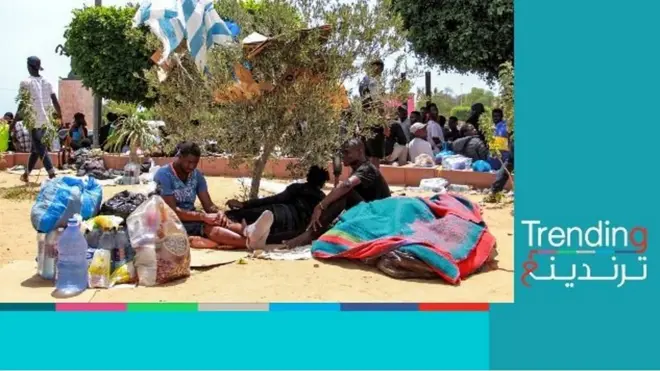
Libya is witnessing an unprecedented wave of popular rejection toward the settlement of irregular migrants, with protests under the slogan "No to Settlement" sweeping across multiple cities in recent days. The immigration debate has become one of the most contentious national issues, with government, parliament, and municipalities all opposing demographic change.
The protests reflect deep-seated fears among Libyans that international organizations and foreign actors are pursuing hidden agendas to settle hundreds of thousands of migrants from sub-Saharan Africa and South Asia permanently in Libya. Social media platforms have amplified these concerns, with viral posts claiming that the United Nations High Commissioner for Refugees (UNHCR) and the European Union are facilitating settlement programs without Libya's consent.
Libya's House of Representatives issued a firm statement invoking Law No. 24 of 2023 on combating the settlement of foreigners, declaring that Libya's sovereignty and national identity are "a red line that is not negotiable." The parliament rejected any projects or agreements — public or secret — that could lead to demographic change, emphasizing that Libya will not become a party to resolving international crises at the expense of its national security.
The High State Council echoed this position, affirming its categorical rejection of any arrangements that could result in migrant settlement or demographic alteration. The council stressed that addressing irregular migration must occur within the framework of Libyan law and under the sovereign authority of the state.
On the ground, security forces have launched wide-ranging operations. Military authorities ordered comprehensive measures to address irregular migration across eastern Libya. The Bayda Security Directorate's campaign resulted in the detention of approximately 800 individuals. Ajdabiya's security director announced a similar comprehensive campaign, while Tobruk saw targeted operations against irregular migration hideouts within the city.
Former Libya UN Ambassador Ibrahim Dbeibah added a legal dimension, stating that UNHCR's presence in Libya "has no legal basis," arguing that the agency's original mandate in the 1990s was limited to monitoring Somali refugee repatriation and has since been exceeded.
The settlement debate strikes at the heart of Libyan national identity. With a population of approximately 7 million and vast stretches of ungoverned southern territory, the prospect of permanent migrant settlement raises existential questions about demographic balance, cultural identity, and resource allocation. Many Libyans argue that no international body should alter Libya's population without state consent.
The economic dimension is equally significant. Libya's oil-dependent economy, still recovering from over a decade of conflict, faces enormous pressure from the presence of an estimated 600,000 to 1 million irregular migrants. Public services and employment are strained, fueling resentment among citizens.
The Libyan government has directed all security agencies and the Department of Combating Illegal Immigration to immediately implement legal measures against anyone facilitating the entry or harboring of irregular migrants. International organizations operating in Libya, including UNHCR, have been warned to respect Libyan sovereignty and not exceed their mandated authority.
As the situation develops, the convergence of popular mobilization, legislative action, and security operations signals that Libya is entering a decisive phase in its approach to irregular migration — defined by an uncompromising insistence on national sovereignty.
— LibyaPress / Libya Desk