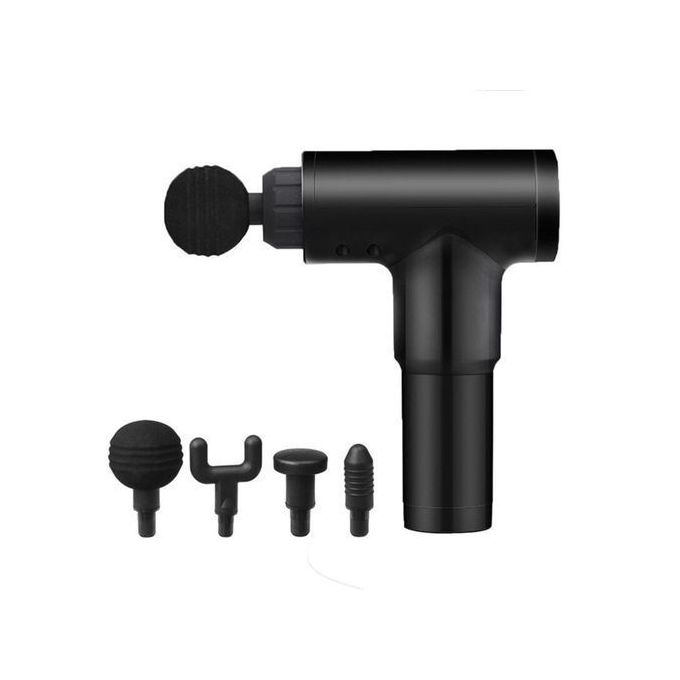
مضخة مياه الشرب
وفر 23%! اشترِ مضخة مياه الشرب بسعر 185 د.ل فقط في ليبيا. متوفر حالياً، الدفع عن
🛒 تسوق الآن Libya Press
Libya's Deputy Defense Minister Major General Abdul Salam Al-Zoubi held critical talks on Monday, June 8, 2026, in Tripoli with a senior Turkish diplomatic delegation led by Ali Onaner, Director General for North and East Africa Affairs at Turkey's Foreign Ministry. The meeting focused on strengthening bilateral cooperation and reinforcing stability across Libya, marking a significant step in the two nations' ongoing security partnership.
The discussions come at a pivotal moment for Libya, where efforts to unify state institutions and stabilize the country continue to face complex challenges. Both sides emphasized the importance of sustained coordination to preserve Libya's sovereignty and territorial integrity, according to statements from Libya's Government of National Unity.
The latest meeting builds on a series of high-level engagements between Ankara and Tripoli. In May 2026, Turkish Defense Minister Yaşar Güler met with Field Marshal Khalifa Haftar, Commander of the Libyan National Army in eastern Libya, where both sides discussed ways to enhance cooperation and contribute to stability while preserving Libya's unity and sovereignty.
Turkey has been one of the most active international players in Libya since the 2019 maritime and military cooperation agreements. Ankara's involvement has included military training, defense equipment support, and diplomatic backing for the Tripoli-based government. The July 2025 agreement specifically targeted capacity-building for the Libyan Army, reflecting a long-term commitment to Libya's institutional development.
Major General Al-Zoubi underscored the strategic importance of the Libyan-Turkish relationship during the Tripoli talks. "Cooperation with Turkey is essential for building a unified and capable Libyan defense institution that can protect our borders and maintain stability," Al-Zoubi stated, according to the official Libyan news agency.
Ali Onaner, the Turkish envoy, echoed this sentiment, affirming Ankara's commitment to supporting Libya's sovereignty. "Turkey stands ready to deepen coordination with Libyan institutions across all sectors, particularly in defense and security, to ensure lasting peace and stability," Onaner said during the meeting.
For ordinary Libyans, the outcome of these talks carries direct implications. Libya remains divided between rival administrations in Tripoli and the east, with armed factions controlling significant territory. Enhanced Turkish-Libyan security cooperation could accelerate the unification of Libya's military institutions — a critical prerequisite for free elections and lasting peace.
Libya's stability also has profound economic consequences. The country holds Africa's largest proven oil reserves, estimated at over 48 billion barrels, and sustained instability continues to disrupt production and revenue. A unified security framework supported by international partners like Turkey could unlock Libya's economic potential and improve living conditions for millions of citizens.
Additionally, Libya's central Mediterranean position makes it a key player in regional migration dynamics. Stronger Libyan security institutions, developed through partnerships like the one with Turkey, are essential for managing borders and addressing the humanitarian challenges that affect both Libyans and migrants transiting through the country.
The Tripoli talks signal a continued commitment from both Libya and Turkey to work toward a stable, unified future. With multiple international stakeholders engaged in Libya's political process, sustained bilateral cooperation between Ankara and Tripoli could serve as a model for constructive international involvement.
As Libya navigates its complex political landscape, partnerships grounded in respect for sovereignty and institutional capacity-building offer the most promising path forward. The coming months will be critical in determining whether these diplomatic efforts translate into tangible progress on the ground for the Libyan people.
— LibyaPress / Security Desk