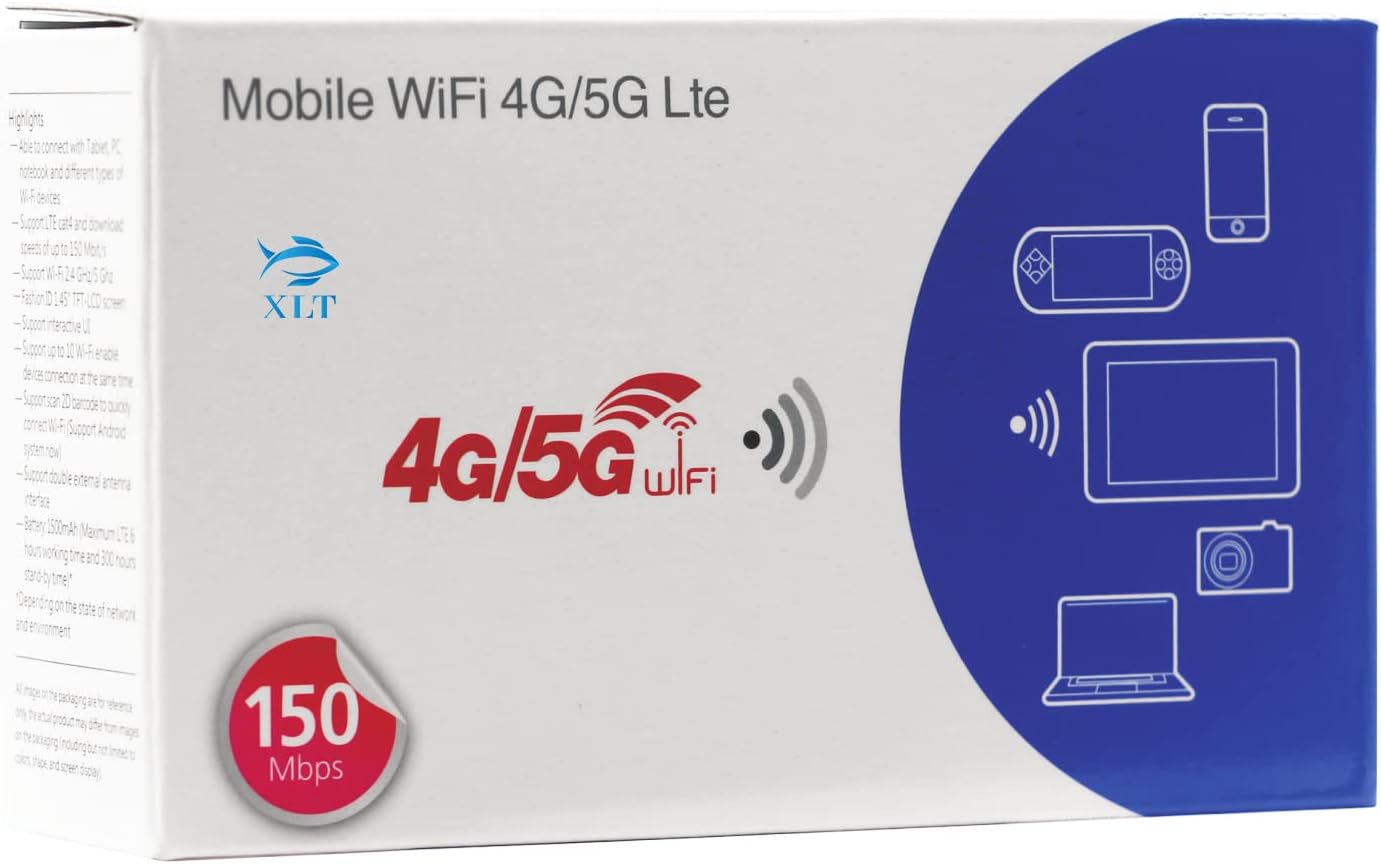
جهاز توجيه واي فاي محمول مزود بفتحة SIM
وفر 23%! اشترِ جهاز توجيه واي فاي محمول مزود بفتحة SIM بسعر 369 د.ل فقط في ليبيا
🛒 تسوق الآن Libya Press
On June 9, 2026, Morocco renewed its firm commitment to supporting a political solution for the situation in Libya during a session of the African Union Peace and Security Council. Morocco's Permanent Representative to the African Union reiterated the country's consistent position backing inclusive political dialogue among all Libyan parties. Morocco has maintained this stance since 2019, emphasizing that sustainable peace requires a Libyan-led process without external interference.
The Moroccan diplomat highlighted that continued international engagement remains essential for bridging divides among Libyan factions. According to Hiba Press, Morocco stressed the importance of building on previous reconciliation efforts and maintaining momentum toward comprehensive national dialogue. The statement came amid renewed regional diplomacy aimed at resolving Libya's prolonged political fragmentation.
African Union member states convened to discuss the latest developments in the Libyan file, with multiple nations expressing support for renewed mediation efforts. Morocco's commitment signals a broader regional push toward stabilizing Libya, which has experienced over a decade of intermittent conflict since 2011. The United Nations Support Mission in Libya has been working alongside African Union efforts to facilitate dialogue between the Tripoli-based Government of National Unity and eastern-based authorities.
Regional actors increasingly view 2026 as a critical window for advancing a political settlement, particularly as Libya faces ongoing economic and security challenges. Data indicates Libya's political instability has impacted oil production levels, which remain below the 1.6 million barrels per day capacity achieved before earlier conflicts.
Regional analysts view Morocco's diplomatic push as a significant development in the broader African Union strategy for Libya. "Morocco brings unique credibility to this process given its consistent, balanced approach since 2019," noted one diplomatic source familiar with the consultations. The emphasis on Libyan ownership of the political process distinguishes this effort from earlier externally imposed frameworks that failed to produce lasting results.
The renewed engagement comes as Libya faces mounting pressure from citizens demanding improved governance and economic conditions. Recent civil society movements have highlighted the frustration of ordinary Libyans with persistent division among political elites, creating both urgency and opportunity for meaningful dialogue.
For the more than 7 million people in Libya, renewed diplomatic momentum represents hope for a future free from governance vacuum and economic unpredictability. Libya's geographic position as a Mediterranean nation with significant natural resources makes its stability critical for the broader North African region. A functional political framework would directly impact citizens' access to public services, economic opportunities, and personal security.
Libyans across the political spectrum have repeatedly called for dialogue over division. The success of regional diplomatic efforts depends on the willingness of Libyan stakeholders to prioritize national interest over factional gain. Morocco's commitment serves as a reminder that continued international support remains available, but meaningful progress must come from within Libya itself.
The coming months are expected to see intensified diplomatic engagement, with the African Union and United Nations coordinating support for potential negotiations. Morocco's steadfast position offers a framework for consensus-building among regional partners. The key challenge remains bridging the gap between political commitments made at international forums and tangible steps taken by Libyan factions toward reconciliation.
As Libya navigates this critical juncture, sustained engagement from regional partners combined with genuine domestic political will could chart a new course toward stability. The international community continues to watch closely, ready to support whatever consensus Libyans achieve among themselves.
— LibyaPress / Politics Desk