
شاشة سيارة لاسلكية
وفر 25%! اشترِ شاشة سيارة لاسلكية بسعر 1099 د.ل فقط في ليبيا. متوفر حالياً، الدف
🛒 تسوق الآن Libya Press
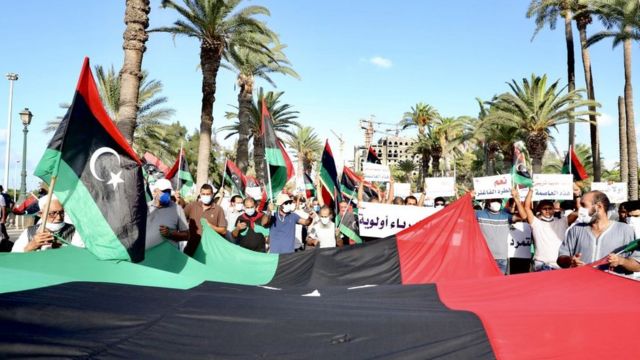
Within hours of the June 9 announcement establishing a "Central Region" administrative entity encompassing 9 municipalities across Libya, residents of Bani Walid and Tarhuna took to the streets — welding shut council doors and piling dirt at government entrances in symbolic rejection of a move they say was made without their consent. The declaration, issued by the Misrata Municipal Council, seeks to unite Misrata, Bani Walid, Tininay, Al-Mardoum, Zliten, Al-Khums, Tarhuna, Qasr Al-Akhyar, and Misallata into a single coordinating body. But what its architects call administrative efficiency, its opponents call a dangerous step toward partition.
The backlash was immediate and visceral. In Bani Walid, hundreds gathered outside the municipal council headquarters, chanting slogans against the declaration. In a dramatic act of defiance, protesters welded the council's main entrance shut — a symbolic message that the decision would not pass through their city unchallenged. In Tarhuna, residents staged a parallel demonstration, heaping mounds of dirt at the municipal building's entrance. Social media footage from both cities showed crowds rejecting what they described as an attempt to redraw Libya's internal map without public consultation or legal mandate from the central government.
Head of the Libya Democratic Party Mohammed Sawan issued a stark warning on June 9, urging all parties to avoid introducing new divisive issues amid Libya's fractured political landscape. "The country cannot absorb additional controversial files when fundamental questions of governance, elections, and institutional unity remain unresolved," Sawan stated. International relations professor Ibrahim Hayba emphasized that Libya has historically comprised three principal regions, and that introducing a fourth risks opening a Pandora's box of political tension. Activist Marouk Al-Suwayh echoed the concern, warning that "fourth region" proposals tend to surface during periods of political deadlock — with consequences for national unity.
Supporters insist the Central Region falls within existing legal frameworks. Activist Essa Al-Tawer noted that Libya's local administration law permits planning and development regions, and that the country previously recognized four such regions. Former Tajoura Mayor Hussein Atiya cited successful models in the United States, Nigeria, Belgium, and Egypt. But without endorsement from either Libya's Government of National Unity or the rival eastern administration, the Central Region exists in a legal gray zone — recognized by neither authority, yet claiming jurisdiction over municipalities that fall under both.
This controversy strikes at the heart of Libya's most enduring question: how should a country with vast geography, tribal diversity, and competing power centers govern itself? The 2011 uprising fractured the country along regional and municipal lines, and more than a decade later, the wounds of division remain fresh. Whether this initiative evolves into a genuine development framework or deepens Libya's fault lines depends on whether its proponents can secure broad-based legitimacy — starting with the consent of the communities they claim to represent.
As of June 10, neither of Libya's rival governments has issued an official position on the Central Region declaration. The 9 municipalities have not collectively ratified the framework, and protests in Bani Walid and Tarhuna show no signs of abating. Whether this initiative transitions from unilateral announcement to inclusive dialogue will define its fate. For now, the welded doors of Bani Walid speak louder than any press release.
— LibyaPress / Libya Desk