
سماعات الاذن
وفر 24%! اشترِ سماعات الاذن بسعر 290 د.ل فقط في ليبيا. متوفر حالياً، الدفع عند ا
🛒 تسوق الآن Libya Press
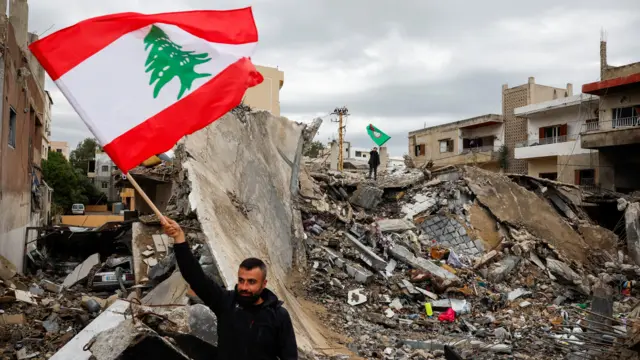
Three people were killed and several others wounded when heavy armed clashes erupted in the Libyan coastal city of Zawiya on May 8, 2026, forcing the country's largest oil refinery to shut down completely. The violence, which involved medium-grade weapons and explosions near critical infrastructure, sent shockwaves through the western Libyan coast and raised fears of a broader escalation in the region.
The Zawiya oil refinery — responsible for processing a significant share of Libya's refined petroleum output — announced a "precautionary halt" of all operations as fighting engulfed areas surrounding the facility. The port adjacent to the refinery was also evacuated, according to multiple reports from Reuters, Al Jazeera, and Anadolu Agency. Workers at the oil facilities were moved to safety as the security situation deteriorated rapidly.
The clashes began at dawn when Libyan security forces launched a major operation targeting armed groups operating outside the law in Zawiya, located approximately 50 kilometers west of the capital Tripoli. The operation quickly escalated into sustained confrontations between government-aligned forces and well-armed local factions.
The incident mirrors similar violence that erupted in the same city on May 1, 2026, suggesting a pattern of recurring instability in this strategically vital area. Zawiya sits on a critical corridor connecting Tripoli to the Tunisian border and hosts infrastructure essential to Libya's oil economy.
The United Nations Support Mission in Libya (UNSMIL) issued a strong statement condemning the violence, expressing deep concern over the transformation of residential areas into armed confrontation zones. The mission called on all parties to prioritize civilian safety and urged an immediate return to dialogue.
"The people of Zawiya deserve to live in peace, not in the crossfire of armed factions," the UN statement read, according to reports from Libya-based media outlets. The mission also emphasized the need to protect critical civilian infrastructure, including the refinery and port facilities that serve millions of Libyans.
The Zawiya refinery is not just a local facility — it is a national lifeline. The refinery processes crude oil into gasoline, diesel, and other essential fuels that power vehicles, generators, and businesses across western Libya. Any prolonged shutdown directly affects fuel availability in Tripoli and surrounding cities, where millions depend on refined petroleum products for daily life.
Beyond the economic impact, the renewed violence in Zawiya exposes the fragility of Libya's security landscape more than a decade after the 2011 uprising. The fact that major clashes have erupted twice in a single week in the same city underscores the urgent need for a comprehensive national reconciliation process that addresses the root causes of armed factionalism.
For ordinary Libyans, the message is clear: stability in Zawiya is stability for the entire western coast. When the refinery stops, fuel prices rise. When ports evacuate, supply chains break. The international community and Libyan leaders alike must act before this cycle of violence becomes irreversible.
Local mediation efforts led by Zawiya's tribal elders offer a glimmer of hope. These community-led peace initiatives have historically proven effective in de-escalating tensions in Libyan cities. Supporting these efforts — rather than relying solely on military solutions — may be the key to lasting stability in this critical region.
— LibyaPress / Security Desk