
مكنسة شفط الغبار الاحترافية
وفر 25%! اشترِ مكنسة شفط الغبار الاحترافية بسعر 369 د.ل فقط في ليبيا. متوفر حالي
🛒 تسوق الآن Libya Press
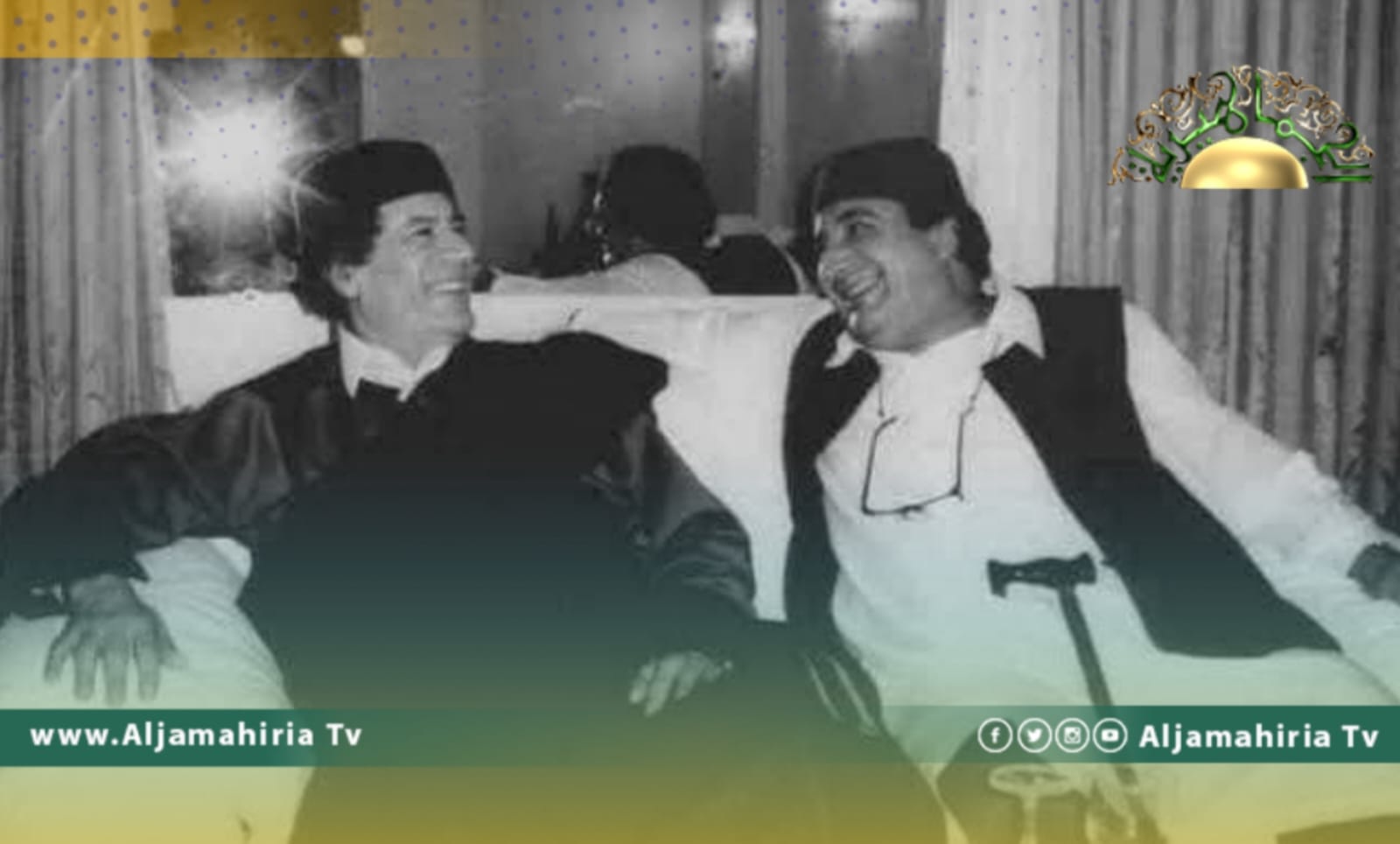
In a revealing interview published on June 10, 2026, Ahmed Gaddaf al-Dam — cousin and former aide to the late Libyan leader Muammar Gaddafi — offered a nuanced portrait of the man who ruled Libya for over four decades. Speaking to Egypt's Shorouk News, Gaddaf al-Dam described a leader who tolerated internal disagreement but drew a firm line at what he considered betrayal of the nation.
"Muammar Gaddafi gave a margin to those who worked with him," Gaddaf al-Dam stated. "But there is a difference between political disagreement and treason. Forging alliances with foreign powers against your own country — that is where the line is drawn." The remarks shed light on the internal dynamics of one of the Arab world's most controversial regimes, more than 14 years after Gaddafi's fall in the 2011 uprising.
Ahmed Gaddaf al-Dam, born in 1952, served as Libya's Special Envoy to Egypt and was a key member of Gaddafi's inner circle for decades. A graduate of the Libyan Military Academy in the early 1970s, he rose through the ranks of the Republican Guard before transitioning into diplomacy. Since leaving Libya, he has lived in Cairo, giving numerous interviews reflecting on the regime's legacy amid Libya's ongoing political fragmentation.
Gaddaf al-Dam's remarks are unlikely to settle the fierce debate over Gaddafi's 42-year rule. For many Libyans, the era is remembered for repression, disappearances, and the brutal crushing of dissent. The 2011 uprising was met with violent force — a response that ultimately led to NATO intervention and Gaddafi's death in Sirte on October 20, 2011.
Yet for others — particularly in southern Libya and among diaspora communities — Gaddafi's rule is associated with relative stability, infrastructure development, and a high standard of living. His recent comments appear aimed at this audience, offering a counter-narrative to the dominant post-revolution discourse.
The interview arrives at a critical moment. Libya remains divided between rival governments in Tripoli and Benghazi, with national unity elections repeatedly postponed. Public nostalgia for the pre-2011 era has grown amid years of conflict, economic collapse, and institutional failure. Gaddaf al-Dam's Cairo apartment has been described as a meeting point for former regime figures exploring a potential political return — whether his words represent genuine reflection or strategic positioning.
As Libya searches for stability, voices like Gaddaf al-Dam's remind us that the past is never simple. The challenge for Libyans is not to choose between wholesale condemnation or rehabilitation of the Gaddafi era, but to extract honest lessons about governance, accountability, and the dangers of both authoritarianism and chaos.
— LibyaPress / Politics Desk