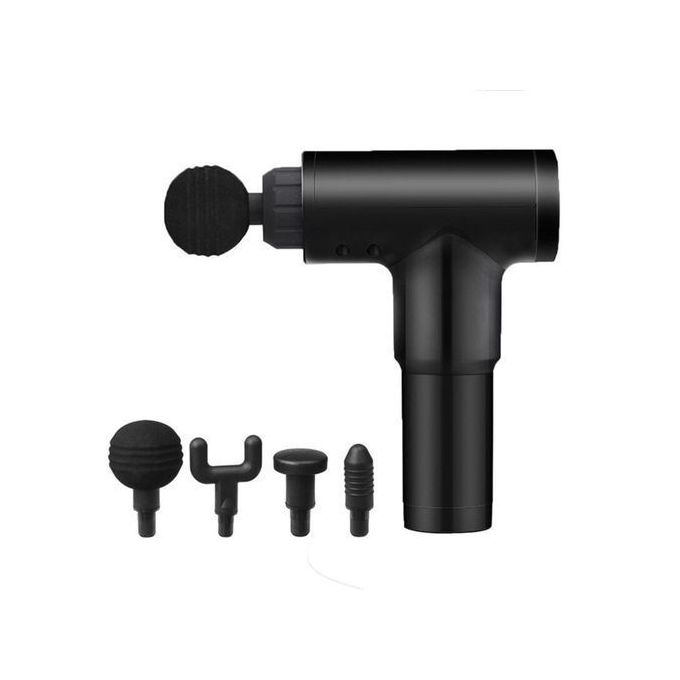
جهاز التدليك
وفر 26%! اشترِ جهاز التدليك بسعر 290 د.ل فقط في ليبيا. متوفر حالياً، الدفع عند ا
🛒 تسوق الآن Libya Press
Libya's political landscape is trapped in a cycle where decade-old agreements are repeatedly invoked to justify new rounds of dialogue, delaying elections that Libyans have waited for since 2015. On June 7, 2026, the United Nations Support Mission in Libya (UNSMIL) announced recommendations from the "Structured Dialogue" committee calling for an expanded political dialogue — based on Article 64 of the 2015 Skhirat Agreement, a document now over 10 years old.
The core problem: Libya's political documents have no expiration date. Every time the process stalls, aging agreements are pulled back into service, creating a "political inheritance" that gets reinterpreted to serve whoever invokes it — rather than resolving the deadlock.
The recommendations cite Article 64 of the Skhirat Agreement, signed in Morocco in December 2015. That article permits convening dialogue under exceptional circumstances if any party violates the agreement. The committee sees this as the mechanism to bypass obstacles created by the House of Representatives and the High Council of State — both products of the same agreement.
But the contradiction is stark. The Skhirat Agreement was written for a specific conflict — between the Tripoli-based government and the Tobruk-based parliament. A decade later, original committee members have scattered, with some now inside the very institutions blocking elections. The framework was never designed for today's reality, yet it continues to stall Libya's path forward.
UNSMIL's mandate was renewed by the UN Security Council in October 2025 through resolution 2796, extending it until October 31, 2026. With just four months remaining, the mission faces pressure to show tangible progress. Critics argue that invoking Article 64 gives UNSMIL an opening to position itself as the indispensable facilitator — the only entity capable of managing a new dialogue committee.
"The silent gap in who has the authority to convene dialogue is not an oversight — it's a structural opening," noted Libyan political analyst Osama Ali, writing in Al-Araby Al-Jadeed. "It allows the UN mission to define the rules of engagement, effectively restarting the political process from scratch rather than completing it."
For ordinary Libyans, the endless recycling of political documents translates into daily hardship. No elected institutions means no accountable governance, no unified budget, and no coherent economic policy. The country's oil wealth — Africa's largest reserves — remains a source of conflict rather than prosperity. Every time an old agreement is invoked to restart dialogue, elections get pushed further into the future.
The Libyan Center for Archives and Historical Studies holds documents spanning 1822 to 1952 — a reminder that Libya's struggle with governance documents is not new. But today's political agreements carry a unique danger: recent enough to be legally cited, yet outdated enough to be practically irrelevant.
Libya's political documents need either clear expiration dates or a formal process for declaring them obsolete. Without this, every future crisis will produce the same pattern: invoke an old agreement, form a new committee, hold talks, and end up where Libya started. The international community must recognize that facilitating dialogue based on expired frameworks does not serve Libyan democracy — it serves institutional inertia.
Libyans deserve a political process built for today's reality, not yesterday's compromises. The path to elections runs through new frameworks, not through endless reinterpretation of documents signed when the country looked fundamentally different.
— LibyaPress / Politics Desk