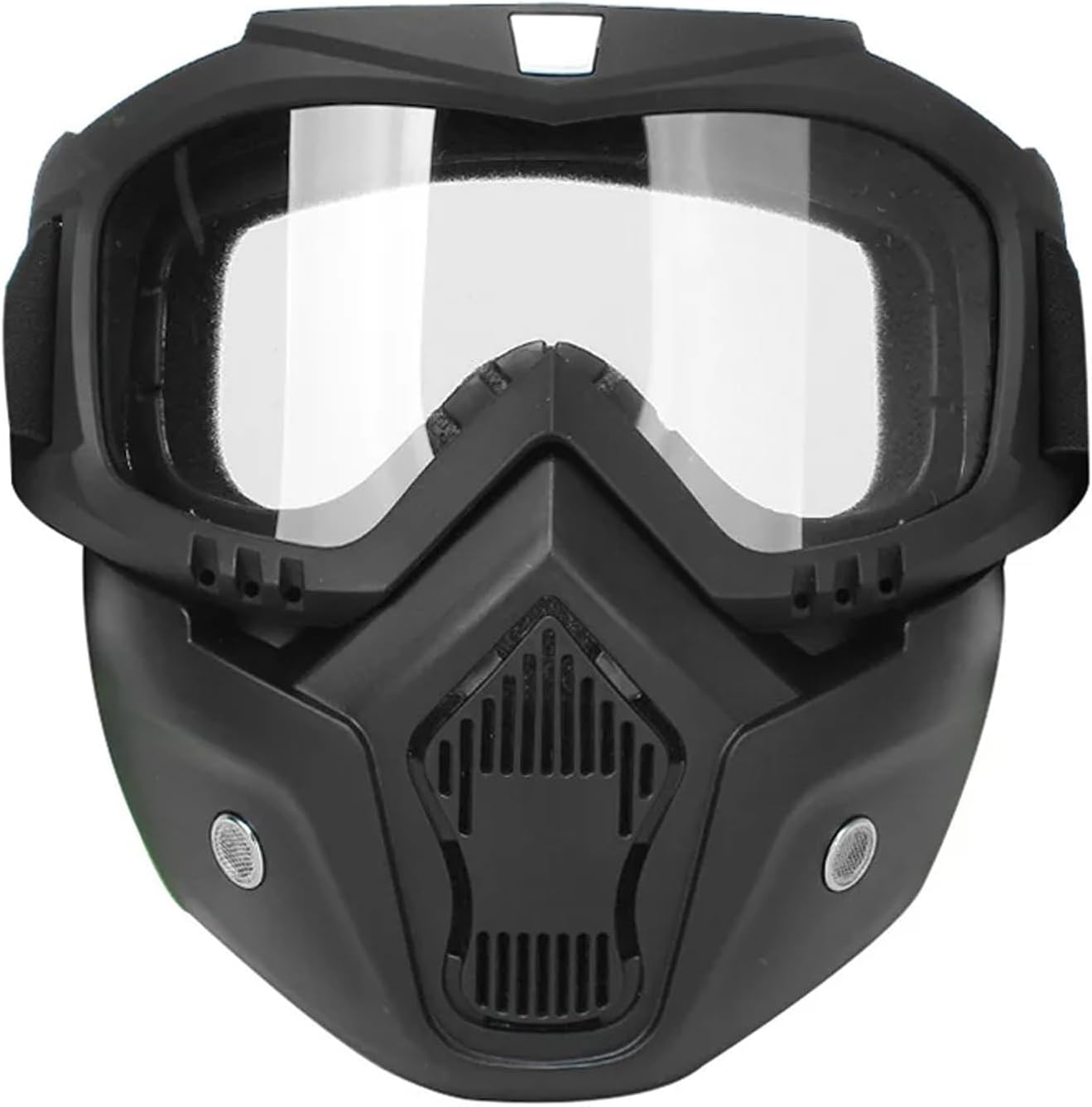
نظارات واقية للدراجات النارية
وفر 24%! اشترِ نظارات واقية للدراجات النارية بسعر 219 د.ل فقط في ليبيا. متوفر حا
🛒 تسوق الآن Libya Press
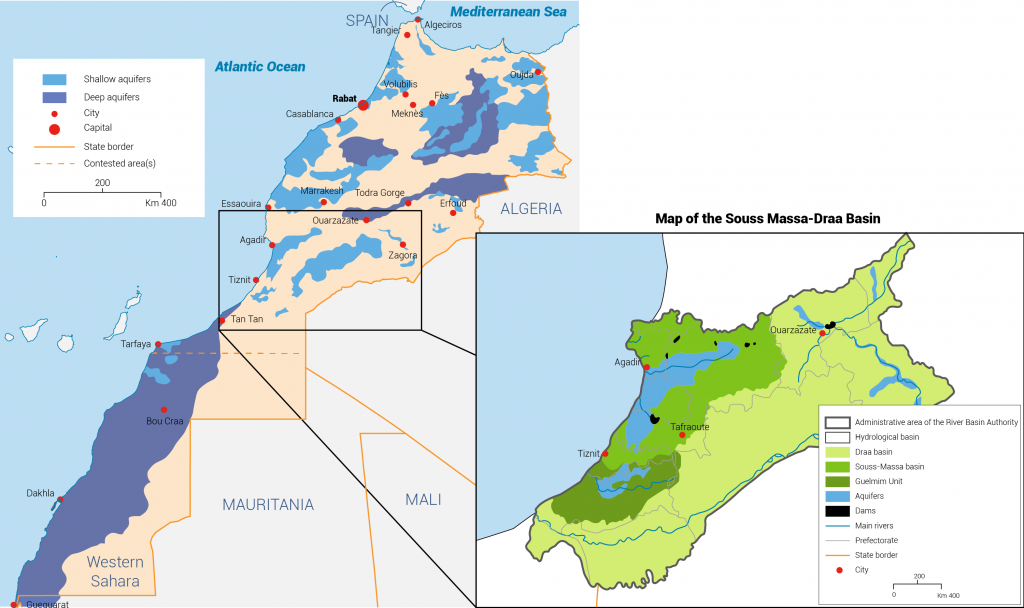
In early 2026, Morocco declared the end of its seven-year drought after months of heavy rain and snow. But the relief was short-lived. By January 2026, rainfall was about 95 percent higher than a year earlier and 17 percent above the seasonal average — a dramatic swing that unleashed floods and landslides, destroying roads, homes, and farmland. The turnaround reveals a harsh truth: Morocco's water crisis is far from over. Reservoirs had dropped to historic lows, cereal harvests shrank, and hundreds of thousands of agricultural jobs were lost. The sudden deluge exposed how fragile the country remains in the face of climate extremes.
Average available water per capita has dropped from 2,000 cubic meters in 1960 to around 600 today — roughly a quarter of what it was 40 years ago. Approximately 7 million people, 20 percent of the population, do not have access to safe clean water. Per capita availability could drop close to 500 cubic meters by 2050, classified by the UN as extreme water scarcity. Agriculture accounts for 87 percent of water use, putting enormous pressure on rivers and aquifers while threatening food security.
Fatimaezzahra Oubni, from a remote arid village in southeastern Morocco, described the daily struggle: "My mom and I would go to the mountains nearby to fetch water and food for our livestock." In rural areas, people receive water for only 3 days a week, 3 hours a day, for essentials like cooking and cleaning.
Bouchaib, a small farmer near Rabat, shared: "There used to be a lot of water around this land. Now, the wells are all dried up. I have to decide whether to save water for my family or water the trees. If I pick the latter, I may not have enough for my family's basic needs."
Morocco's water crisis reflects a broader pattern across North Africa that directly affects Libya. The region is among the most water-stressed in the world, with climate change intensifying both droughts and floods. Libya faces its own severe water challenges, with aging infrastructure, groundwater over-extraction, and conflict damage to water systems. Morocco's experience — swinging from parched reservoirs to overflowing dams in months — is a warning for the entire region. Solutions being tested in Morocco, from desalination to water transfer projects, could offer valuable lessons for Libya.
Morocco is betting heavily on desalination, aiming to source 60 percent of drinking water from this technology by 2030. The Casablanca plant will be Africa's largest, powered entirely by renewable energy. Similar schemes are planned in Agadir, Nador, and Tangier. However, experts caution that desalination alone is not a silver bullet — it is expensive and energy-intensive. True resilience requires managing both droughts and floods, reducing demand through climate-smart farming, curbing groundwater overpumping, and reconsidering water-hungry crops in arid regions. The hard work of securing sustainable access to water has only just begun.
— LibyaPress / Politics Desk