
شاشة سيارة لاسلكية
وفر 25%! اشترِ شاشة سيارة لاسلكية بسعر 1099 د.ل فقط في ليبيا. متوفر حالياً، الدف
🛒 تسوق الآن Libya Press
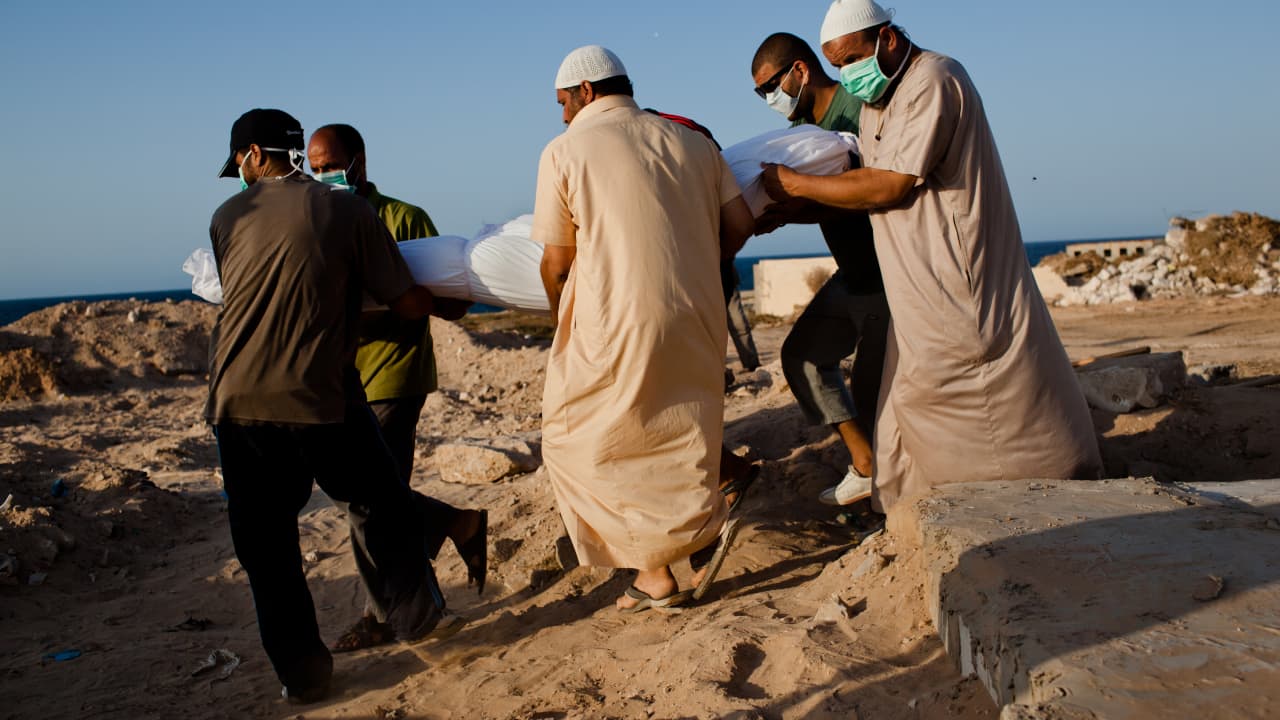
A Moroccan citizen from the city of Ksar el-Kebir was found dead in the Libyan capital of Tripoli on Friday, June 12, 2026, with forensic evidence confirming death by strangulation. The body was discovered near a hospital on Al-Zawiya Street, bearing visible marks of beating and assault, according to an informed source cited by Hespress newspaper. The victim, a man in his fifties, had been registered at the Moroccan Consulate in Tripoli and had previously visited to obtain a travel document for return to Morocco.
The Moroccan Consulate General in Tripoli received a phone call from the victim's son, who resides in Italy, inquiring about his father's condition after an image circulated online believed to be of an unidentified body. The consulate dispatched a representative to verify the situation and confirmed the deceased was a registered consular citizen. "The body carried traces of blood, and the preliminary medical report indicates criminal suspicion related to strangulation by an instrument," the source told Hespress. The Libyan Public Prosecution has opened a formal investigation into the circumstances surrounding the death.
The forensic medical report, prepared by the Judicial Expertise and Research Center branch in Abu Salim under Libya's Ministry of Justice, provided detailed findings. The examination of the male body — of moderate build and wheat-colored skin — revealed compression abrasions on the anterior neck, a broken thyroid cartilage, and contusions across the right shoulder and back. The report also noted congestion and hemorrhagic spots on the face and internal organs. The official cause of death was determined to be strangulation with a hard, flexible instrument, leading to asphyxiation and cessation of respiratory and blood circulation.
This case highlights the ongoing dangers facing foreign nationals in Libya, particularly migrants and irregular workers navigating the country's fragile security landscape. Libya's detention centers for irregular migrants have long been criticized by international human rights organizations for poor conditions and abuse. The fact that this victim had previously escaped from an Internal Security detention facility only to be found murdered weeks later underscores the extreme vulnerability of foreign workers in the country. The Moroccan Consulate continues to coordinate with Libyan authorities on the repatriation of irregular migrants in batches, with two batches already deported and a third of approximately 100 people awaiting transfer.
The Libyan Public Prosecution and Ministry of Justice are conducting detailed investigations to identify the perpetrators, who remain unknown at this time. The Moroccan Consulate in Tripoli is closely monitoring the investigation and awaits the official case file and investigation report to facilitate the handover and repatriation of the body. The Moroccan government has given preliminary approval to cover all repatriation costs given the family's difficult social and economic circumstances. As the investigation continues, this case serves as a stark reminder of the human cost of instability in North Africa and the urgent need for stronger protections for vulnerable migrant populations across the region.
— LibyaPress / Security Desk