
قناع الوجه المقشر والمنعم بالأعشاب
وفر 18%! اشترِ قناع الوجه المقشر والمنعم بالأعشاب بسعر 176.26 د.ل فقط في ليبيا.
🛒 تسوق الآن Libya Press
Libya's veterinary authorities have declared a state of alert following a surge in suspected foot-and-mouth disease (FMD) cases in several regions, sparking urgent concerns over the nation's livestock sector and food security. Reports from veterinary field teams indicate that newborn mortality rates among infected herds have surpassed 50%, with the virus attacking the heart muscles of young lambs and calves.
The outbreak comes during seasonal transitions that typically stress livestock immunity, creating conditions for rapid viral spread. Multiple municipalities have activated emergency response protocols as veterinary teams scramble to contain the highly contagious disease.
According to Libya 24, field reports confirm that mortality rates among newborn livestock in affected areas have exceeded 50%, raising alarms among livestock breeders and veterinary professionals. Foot-and-mouth disease is particularly lethal to young animals because the virus targets cardiac tissue, leading to sudden death even before classic symptoms appear.
The economic stakes are significant for a country where livestock farming sustains thousands of families, particularly in rural and semi-urban areas. Losses at this scale could ripple through local meat and dairy supply chains, driving up prices and threatening food access for vulnerable populations.
The head of the Veterinary Syndicate in Al-Marj issued a stark warning this week about the accelerating spread of FMD among livestock. In a statement carried by Lana News, the syndicate called on authorities to tighten biosecurity measures and impose movement restrictions on animals in affected zones.
"We are facing a situation that could spiral into a disaster if not contained swiftly," the syndicate warned. "The virus is spreading with seasonal changes, and without immediate intervention, the losses will be catastrophic for the livestock sector."
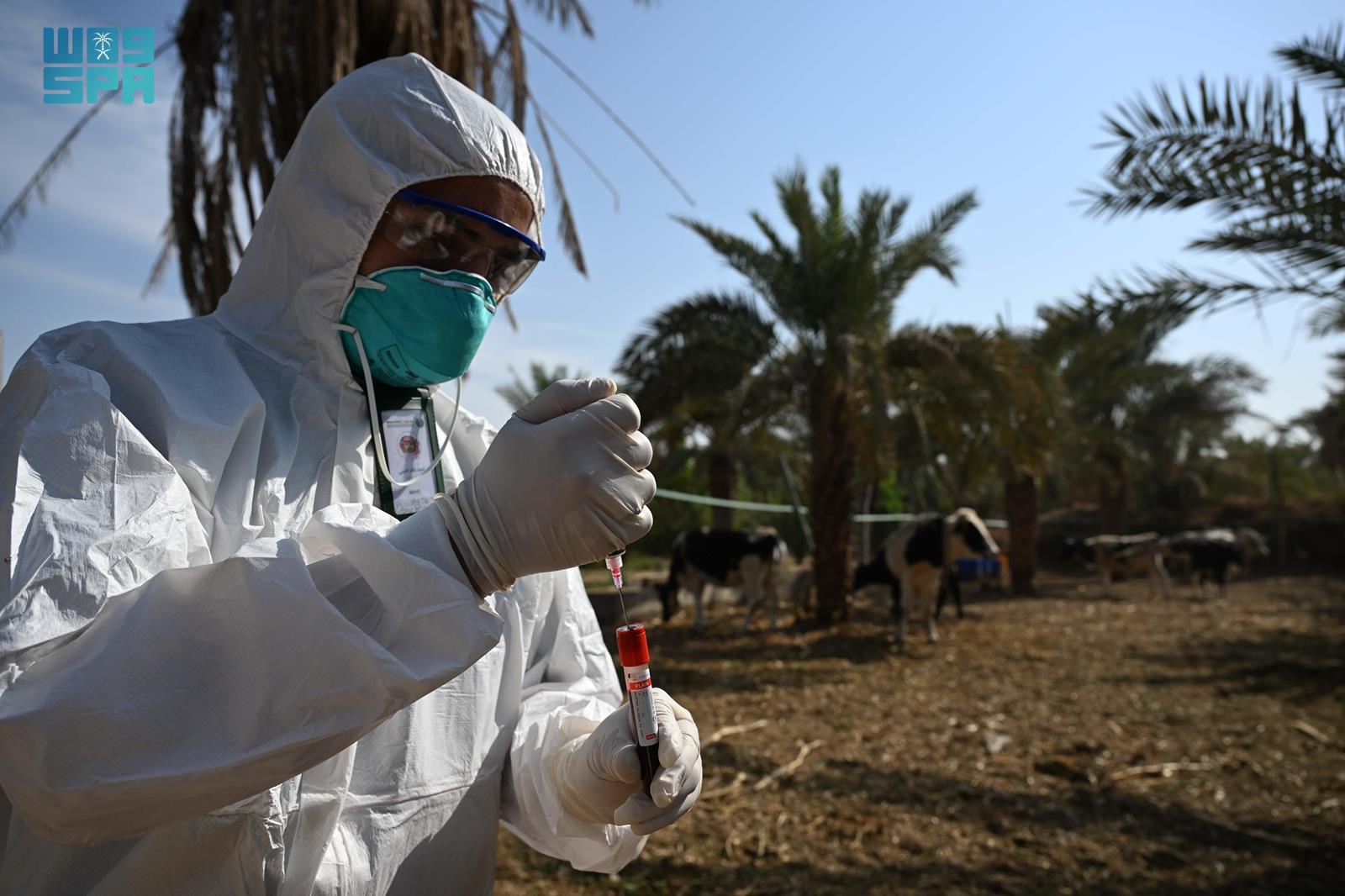
In response, veterinary teams have been deployed to suspected outbreak sites to conduct clinical assessments, collect samples for laboratory confirmation, and implement quarantine protocols. Vaccination campaigns targeting at-risk herds are being accelerated, though reports indicate vaccine stockpiles may be limited in some regions.
Local authorities have urged livestock owners to report suspected cases immediately, restrict animal movement, and maintain strict hygiene standards in barns and grazing areas. Public awareness campaigns are also being launched to educate breeders on early detection and containment practices.
The outbreak poses a direct threat to Libya's food security at a time when the country is already grappling with economic challenges and supply chain vulnerabilities. The livestock sector represents a critical component of domestic protein production, and sustained losses could increase reliance on imported meat and dairy products.
Analysts warn that the timing of the outbreak is particularly concerning as global food prices remain volatile. A significant reduction in local livestock production would not only affect household incomes but also place additional strain on foreign currency reserves through increased import bills.
Veterinary professionals are calling for a nationally coordinated response that includes enhanced surveillance, cross-regional communication, and emergency funding for containment operations. The fragmented nature of veterinary services across Libya's various administrative regions presents an additional challenge to effective disease control.
International animal health organizations have been notified, and requests for technical support and vaccine supplies are being considered. The coming days will be critical in determining whether the outbreak can be contained or whether it escalates into a full-scale epizootic crisis.
— Libya Press / Health Desk