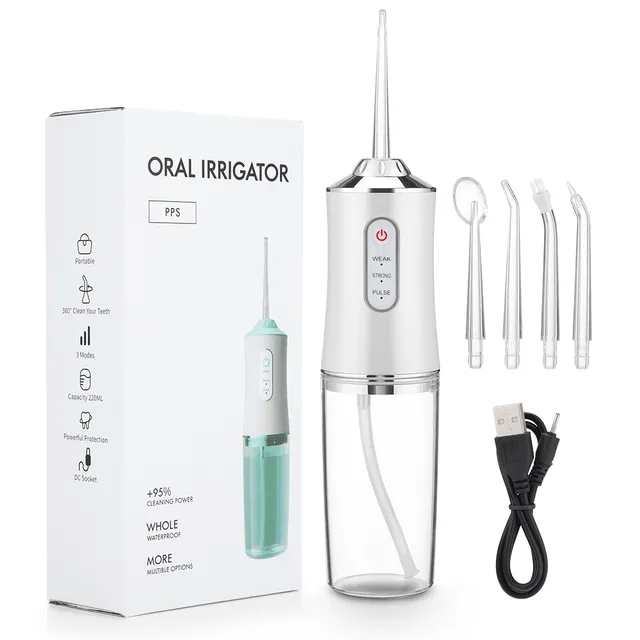

مكنسة شفط الغبار الاحترافية
وفر 25%! اشترِ مكنسة شفط الغبار الاحترافية بسعر 369 د.ل فقط في ليبيا. متوفر حالي
🛒 تسوق الآن Libya Press
The African Development Bank projects Libya's inflation rate will settle at 2.5 percent in 2026, masking deep structural pressures beneath a surface of macroeconomic stability. While oil revenues continue to recover and the National Oil Corporation pushes forward with its investment program, the lingering effects of dinar devaluation and volatile global food prices keep consumer costs elevated for ordinary Libyans.
The forecast marks a slight uptick from the 2.1 percent recorded in 2024 but remains far below the double-digit spikes that plagued the economy in previous years.
Libya's broader economic picture presents a mixed trajectory. The economy contracted by an estimated 3.1 percent in 2024, reversing a strong 9.1 percent rebound in 2023 driven by resumed oil production. The AfDB projects growth of 6.9 percent in 2025, tapering to 2.9 percent in 2026 — a deceleration reflecting both base-effect normalization and persistent political uncertainty.
The fiscal surplus is anticipated to rise to approximately 5 percent of GDP, buoyed by sustained hydrocarbon revenues. However, the International Monetary Fund offers a more cautious consumer-price projection of 10.5 percent for 2026, highlighting the gap between official headline figures and the lived reality of price increases in local markets. Trading Economics data showed consumer price inflation hitting 14.3 percent in April 2026, up from 12.4 percent in March.
The gap between the AfDB's 2.5 percent forecast and the IMF's 10.5 percent projection reflects fundamentally different methodologies. The AfDB figure captures a narrow basket of goods weighted toward formal-sector transactions, while the IMF's consumer-price index tracks what Libyans actually pay at markets, shops, and fuel stations.
"The divergence between official inflation and street-level prices is the single most important economic story in Libya today," said a Tripoli-based economic analyst. "A family buying bread, cooking oil, and fuel experiences a very different inflation rate than what appears in international reports."
The dinar's depreciation on parallel markets remains the primary transmission mechanism. When the currency weakens, import costs rise almost immediately because Libya produces very little domestically. The central bank has taken steps to narrow the gap between official and parallel exchange rates, but structural reforms remain incomplete.
For Libya's roughly 7.5 million residents, inflation determines whether a teacher's salary covers rent in Tripoli, whether a Benghazi family can afford cooking oil, and whether small-business owners in Misrata can price goods without losing customers. The 2.5 percent headline figure offers little comfort when staples like flour, sugar, and fuel have seen double-digit increases in recent months.
With over 80 percent of consumer goods imported, the economy remains exceptionally vulnerable to external shocks. Lower global food prices have provided some relief, but any shift in international commodity markets translates directly into local price changes.
Both the AfDB and IMF stress that Libya's economic projections are contingent on political stability — a condition that remains fragile. With competing governments, divided central bank institutions, and unresolved security arrangements, any escalation could disrupt oil production — over 90 percent of government revenue — and send inflation sharply higher.
The National Oil Corporation's investment program offers genuine upside. If production capacity expands as planned, increased revenues could fund public-sector salaries, infrastructure projects, and subsidy programs that cushion households against price pressures. Libya stands at an inflection point — the next twelve months will determine whether the 2.5 percent forecast holds or proves far too optimistic.
— LibyaPress / Economy Desk