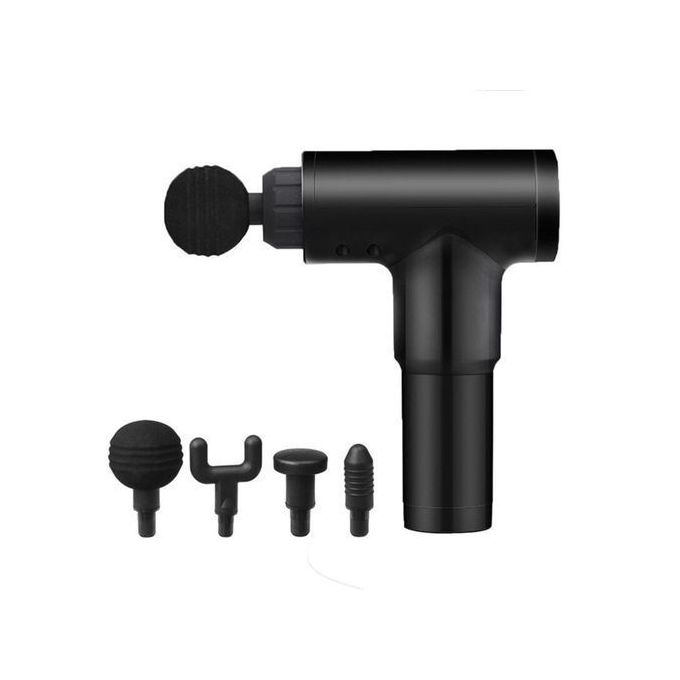
قطاعة الخضر
وفر 22%! اشترِ قطاعة الخضر بسعر 250 د.ل فقط في ليبيا. متوفر حالياً، الدفع عند ال
🛒 تسوق الآن Libya Press
Libya's inflation rate is projected to reach 2.5% in 2026, according to the African Development Bank's latest economic outlook, even as the North African nation records its highest oil revenues in a decade. The figure represents a modest uptick from the 2.1% recorded in 2024 but remains well below the regional African average of 9.5% forecast for the same year.
The AfDB's Libya Economic Outlook report paints a cautiously optimistic picture for the oil-dependent economy, with growth projected at 2.9% in 2026 following an estimated 6.9% expansion in 2025. These projections hinge on continued political stability and moderately rising oil output under the National Oil Company's ongoing investment program.
Libya's oil revenues climbed to .76 billion in May 2026, the highest monthly figure in ten years, driven by price increases linked to supply disruptions in the Strait of Hormuz. The windfall provides a critical fiscal buffer for a country that depends on petroleum for over 95% of export earnings and roughly 60% of GDP.
The fiscal surplus is anticipated to reach 5.2% of GDP in 2025 before settling at 4.1% in 2026, according to AfDB estimates. The Central Bank of Libya reported that oil revenues deposited in January 2026 alone totaled 87 million, signaling strong momentum heading into the second half of the year.
The African Development Bank noted that Libya's economic trajectory remains tightly coupled to both oil market dynamics and the domestic political landscape. The bank's Libya Country Focus Report 2025 emphasized that making Tripoli's capital work more effectively for national development is essential to sustaining growth beyond the current oil price cycle.
Despite the positive revenue figures, the economy contracted by an estimated 3.1% in 2024, following a strong 9.1% rebound in 2023. The volatility underscores Libya's vulnerability to oil production disruptions and the broader challenge of economic diversification in a country where petroleum dominates virtually every macroeconomic indicator.
For ordinary Libyans, the 2.5% inflation forecast offers a measure of relief. After years of conflict-driven price spikes and currency instability, single-digit inflation near 2% suggests a degree of macroeconomic stabilization. The Libyan dinar's recent devaluation, however, is expected to exert mild upward pressure on consumer prices throughout 2026.
The decade-high oil revenues present an opportunity. If channeled effectively through public spending and infrastructure investment, the surplus could translate into improved public services, job creation, and a stronger social safety net. The challenge, as the AfDB has repeatedly noted, is ensuring that oil wealth reaches citizens across all regions of the country.
The AfDB's projections carry a clear caveat: political stability is the single most important determinant of Libya's economic performance in 2026. With oil production on an upward trend and global prices elevated, the fundamental ingredients for economic recovery are in place. What remains uncertain is whether the country's institutions can convert resource wealth into lasting prosperity.
For Libya's 7 million citizens, the coming year could mark a turning point — if stability holds and oil revenues are managed with transparency and vision.
— LibyaPress / Economy Desk