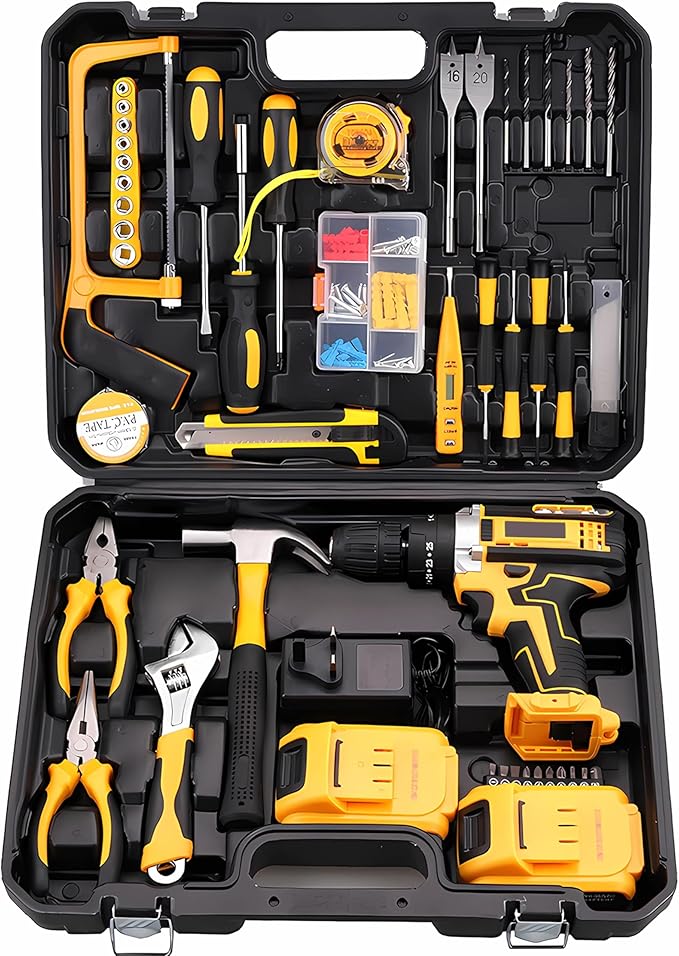
طقم أدوات كهربائية بقوة 48 فولت
وفر 23%! اشترِ طقم أدوات كهربائية بقوة 48 فولت بسعر 549 د.ل فقط في ليبيا. متوفر
🛒 تسوق الآن Libya Press
Libya's state-owned telecommunications provider Almadar Aljadid has partnered with Cairo-based artificial intelligence developer WideBot to deploy a multilingual conversational AI chatbot platform, marking one of the most significant technology upgrades in the Libyan telecoms sector this year. The move positions Almadar — which serves millions of subscribers across the country — at the forefront of digital customer service transformation in North Africa.
The strategic collaboration agreement will see Almadar adopt WideBot's advanced Arabic conversational AI platform to create a virtual assistant capable of interacting with customers in three languages: Modern Standard Arabic, English, and the Libyan dialect. The chatbot will operate across Messenger and web chat channels, providing personalized and immediate responses to customer inquiries around the clock.
According to WideBot's press statement, the AI-powered chatbot is designed to transform Almadar's customer experience by handling routine inquiries instantly — from billing questions and service activation to technical support and plan upgrades. The platform's ability to communicate in the Libyan dialect is particularly significant, as it removes a major barrier that has historically frustrated customers interacting with automated systems in formal Arabic or English alone.
The timing is strategic. Almadar recently expanded its 3G and 4G mobile services across most Libyan cities, significantly increasing its addressable customer base. The chatbot is expected to absorb the resulting surge in customer service demand without proportional increases in staffing costs, while simultaneously improving response times and satisfaction rates.
Bassam Tunis, CEO of Almadar Aljadid, framed the partnership as a milestone for the entire Libyan telecommunications industry. "This collaboration marks a significant development in Libya's telecoms sector by embracing the prominent potential of AI," Tunis said in an official statement.
"This partnership reflects Almadar's vision to provide exceptional and innovative services, supporting our expansion and reinforcing our position as a leading telecommunications provider in Libya and North Africa," he added. Tunis emphasized that the AI deployment is not merely a customer service upgrade but a foundational investment that will enable Almadar to launch new digital services more rapidly in the future.
For Libyan consumers and businesses, the deployment represents a tangible step toward closing the digital service gap that has persisted through years of infrastructure challenges. Libya's telecoms sector has historically lagged behind regional peers in customer-facing technology, and the adoption of conversational AI signals a new phase of competitiveness.
The partnership also highlights the growing strength of Egypt's AI startup ecosystem. WideBot, headquartered in Cairo, has rapidly scaled across the Arab world, and its entry into the Libyan market through a state-owned operator validates both the company's technology and Libya's attractiveness as an emerging market for digital services. For Libyan tech professionals, the collaboration could create new opportunities in AI training, data management, and platform localization.
WideBot indicated that the chatbot platform will continue to evolve after initial deployment, with plans to expand its capabilities based on real customer interaction data. For Almadar, the AI investment is expected to reduce operational costs, improve customer retention, and create a scalable foundation for future service launches. As Libya's telecoms market becomes increasingly competitive, early movers in AI-driven customer experience are likely to capture disproportionate market share — and Almadar is making sure it leads that race.
— LibyaPress / Tech Desk