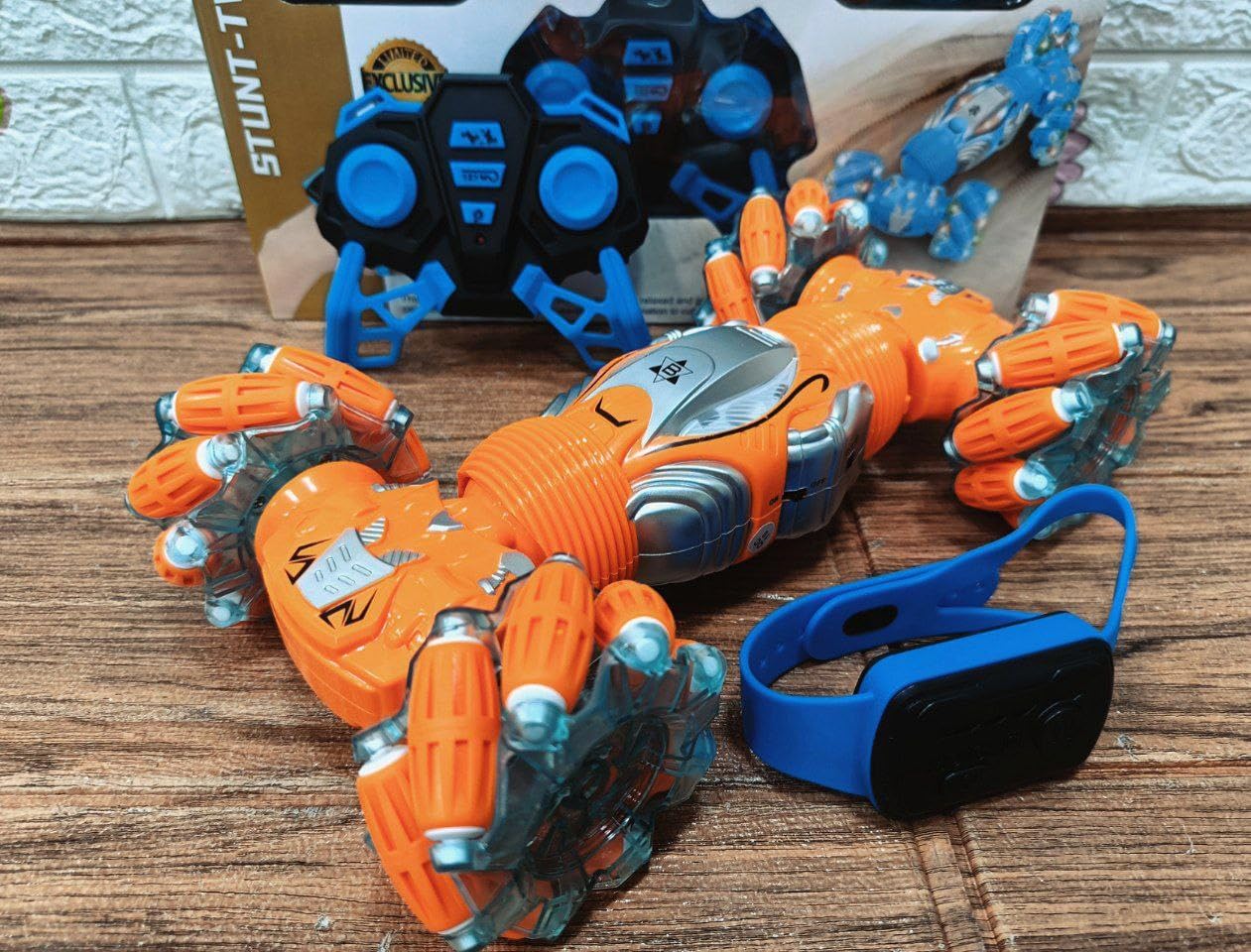
سيارة الدوارة جهاز التحكم عن بعد
وفر 17%! اشترِ سيارة الدوارة جهاز التحكم عن بعد بسعر 450 د.ل فقط في ليبيا. متوفر
🛒 تسوق الآن Libya Press
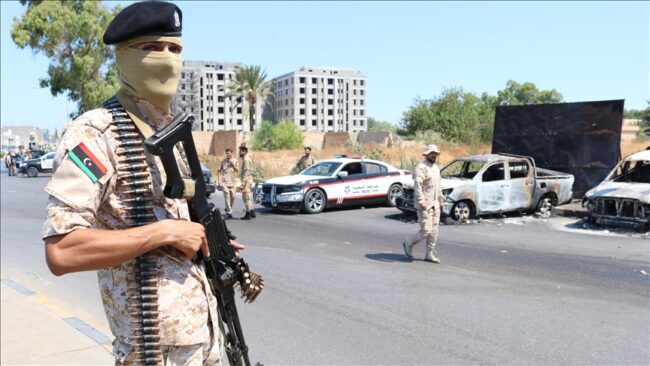
Libya sits at number 27 on the global threat ranking with a composite security score of 69, according to the GeoBit Intelligence daily brief for June 12, 2026. With 42 tracked security events in a single reporting cycle, the country remains trapped in localized armed clashes, critical infrastructure disruptions, and deepening political fragmentation. For 7.3 million Libyans, stability remains distant.
The UN-recognized Government of National Unity in Tripoli, led by Prime Minister Abdul Hamid Dbeibah, remains deadlocked with the eastern-based Government of National Stability under Osama Hamad, backed by General Khalifa Haftar's Libyan National Army. Both sides disagree on electoral legislation and the formation of an interim government to oversee national elections — indefinitely postponed since 2021.
UNSMIL's three-pillar political roadmap, launched in August 2025, aimed to break the deadlock through electoral framework adoption, institutional unification, and structured dialogue. But progress has been "inadequate," according to Tetteh's April briefing. A smaller stakeholder group met in Rome on April 29 and agreed to reconstitute the High National Elections Commission board — a small but critical step forward.
The May 8 clashes near the Zawiya refinery exposed the fragility of Libya's most critical energy infrastructure. Armed groups used heavy weapons near the facility, sending projectiles into surrounding civilian neighborhoods. The refinery shut down for two days before resuming without major structural damage. UNSMIL condemned the violence and called on authorities to investigate. For a country depending on oil exports for over 90% of government revenue, targeting energy infrastructure remains Libya's greatest economic vulnerability.
GeoBit's composite risk assessment shows Murzuq in the Fezzan southwest dominating Libya's threat profile at 78.5, driven by militia activity and trafficking. Sirte follows at 50.7 and Tripoli at 49.0. Alarmingly, ten additional districts share a risk score of 48.5, indicating Libya's security fragility is geographically dispersed. No region can be treated as a secure baseline.
The security situation impacts every Libyan household directly. Fuel shortages follow refinery disruptions. Political deadlock means no unified budget for infrastructure, healthcare, or education. The expired UN arms embargo inspection regime means weapons flow unchecked. And the unresolved political process — over five years past the postponed 2021 elections — leaves citizens without legitimate representation. The question is no longer which faction will win, but when ordinary life will become possible again.
GeoBit's forecast anticipates armed clashes and police operations will persist at low-to-moderate frequency across high-risk zones. Governance friction over UN engagement will likely generate additional political statements but carries lower immediate operational risk. Libya's 2020 ceasefire continues to hold nationally. The challenge is that in Libya today, the absence of nationwide war does not mean the presence of peace.
— LibyaPress / Libya Desk