
زيت تقشير الوجه واليدين
وفر 32%! اشترِ زيت تقشير الوجه واليدين بسعر 162.24 د.ل فقط في ليبيا. متوفر حاليا
🛒 تسوق الآن Libya Press
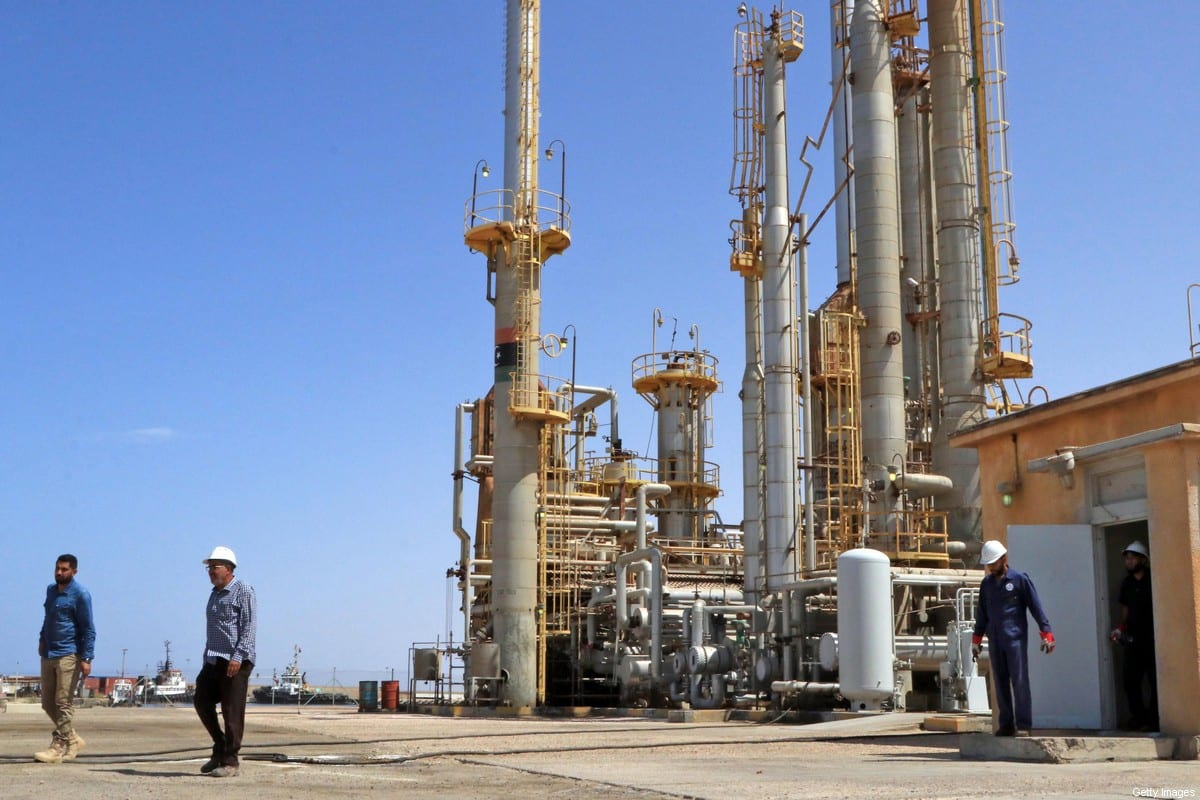
Libya holds proven natural gas reserves of 84.2 trillion cubic feet — yet production remains below 20% of capacity, according to the U.S. Energy Information Administration (EIA), highlighting a critical gap between geological wealth and operational reality.
The country’s proven gas reserves rank among the largest in Africa, yet output stood at just 1.2 billion cubic feet per day in May 2026 — down 15% from 2025 — despite rising regional demand and global price shifts, the EIA confirmed this week.
Libya’s natural gas sector has been constrained by over two decades of underinvestment, political fragmentation, and aging infrastructure. The National Oil Corporation (NOC) reported in April that over 60% of gas processing facilities require major upgrades. Meanwhile, the International Monetary Fund (IMF) estimates that unlocking full gas potential could add $12 billion annually to GDP — but only if structural reforms are implemented urgently.
“We have the gas — but not the pipelines, not the treatment plants, not the trained engineers,” said engineering director Sami Al-Misrati, speaking to EIA field reporters in Benghazi last week. “Every time we restart a well, we lose 10% of output to flaring because of infrastructure bottlenecks.”
With electricity shortages crippling hospitals and factories nationwide, Libya’s gas sector is no longer just an export concern — it’s a domestic lifeline. The Ministry of Energy confirmed that gas-fired plants supply 45% of Tripoli’s electricity, yet maintenance delays have caused 22 power cuts since March. LibyaPress analysis shows that every 100 million cubic feet of daily gas diverted to domestic power could reduce blackouts by 30%, according to NOC internal data shared exclusively with this outlet.
The path forward is clear: prioritize domestic gas infrastructure, attract technical partners under transparent tenders, and align NOC’s gas strategy with national development goals. As global demand for cleaner-burning gas rises — projected to grow 2.1% annually through 2030 (IMF) — Libya has a narrow window to convert its gas advantage into economic resilience. With renewed dialogue between eastern and western energy authorities this week, the first practical step — a unified gas pricing framework — could be finalized by July, according to sources at the Ministry of Energy.
— LibyaPress / Economy Desk