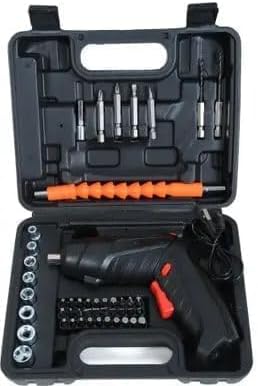
شنطة مفك كهربائي
وفر 20%! اشترِ شنطة مفك كهربائي بسعر 225 د.ل فقط في ليبيا. متوفر حالياً، الدفع ع
🛒 تسوق الآن Libya Press
The United Nations Support Mission in Libya (UNSMIL) has concluded the Governance Track of its Structured Dialogue, issuing a sweeping set of recommendations aimed at breaking the country's years-long political deadlock. The proposals call for the immediate formation of a unified executive authority, the unification of military and security institutions, and a clear roadmap leading to national elections — potentially ending a division that has split Libya's institutions since the failed December 2021 vote.
Under the recommendations, a new Presidential Council would consist of a president and two deputies, with the council president holding defined executive powers — including the authority to approve the state budget proposed by the government. Both the Presidential Council and the Prime Minister would be selected by the Dialogue Committee established under Article 64 of the Libyan Political Agreement. A Government of National Entitlement would be headed by a prime minister and three deputies representing Libya's three historical regions. The prime minister-designate would have just 30 days to present a cabinet to the House of Representatives for a confidence vote.
Hawaa Zayed, a member of the Structured Dialogue, offered a candid assessment of both the progress and the challenge ahead. Speaking to Sky News Arabia, she said the true value of the dialogue's outcomes will not be measured by what is written in the final report, but by how well they are implemented. "The real healing for Libya lies in execution, not recommendations alone," Zayed emphasized, adding that most participants agreed on the need for a unified executive authority. She described this consensus as one of the most significant political results of the entire dialogue process and said success will be judged only by whether citizens see tangible results in their daily lives.
Libya has endured nearly 15 years of institutional division, with competing governments in the east and west, rival central banks, and armed factions controlling territory across the country. The failure to hold elections in December 2021 deepened the crisis and left millions of Libyans without a credible path to democratic representation. The Structured Dialogue — launched by UNSMIL's Special Representative Hanna Tetteh as one of three core components of a broader political roadmap — represents one of the most concrete attempts to chart a way forward. The ban on transitional officials running in future elections addresses a long-standing public concern: that political elites use transitional periods to entrench their own power rather than prepare for genuine democratic transition.
The dialogue's governance track is one of three components of UNSMIL's political roadmap, alongside an electoral framework and a security track. Whether these recommendations translate into action will depend on the willingness of Libya's rival power centres to cede authority and accept unified institutions. For millions of Libyans yearning for stability, functioning services, and a voice in their country's future, the promise of a clear timeline — 18 to 24 months, no extensions — offers a rare and hard-won glimmer of hope.
— LibyaPress / Politics Desk