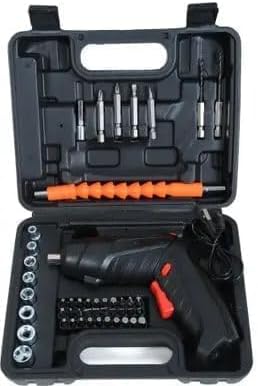
شنطة مفك كهربائي
وفر 20%! اشترِ شنطة مفك كهربائي بسعر 225 د.ل فقط في ليبيا. متوفر حالياً، الدفع ع
🛒 تسوق الآن Libya Press
Libya's Ministry of Health signed a landmark Strategic Cooperation Framework with the World Health Organization (WHO) on May 5, 2026, marking one of the most ambitious healthcare reform initiatives in the country's recent history. The agreement, signed in Tripoli by Health Minister Dr. Mohammed Al-Ghouj and WHO Representative Dr. Ahmed Zouiten, establishes a comprehensive technical partnership roadmap for 2026-2027 aimed at rebuilding Libya's shattered health system from the ground up. Dr. Hanan Balkhy, WHO Regional Director for the Eastern Mediterranean, attended the signing, underscoring the global significance of this collaboration.
The framework announcement coincided with results from the Ministry's 100-Day Health Initiative, which has reported significant early gains across multiple health indicators. Among the headline achievements: the successful implantation of Libya's first wireless pacemaker — a procedure also marking only the eighth such operation in all of Africa. The initiative has focused on rapid deployment of critical medical services, upgrading hospital infrastructure, and fast-tracking training programs for medical personnel across the country. These early wins signal renewed momentum in a health sector devastated by over a decade of armed conflict.
Five core pillars define the reform agenda under the new WHO partnership:
In a complementary move in June 2026, the Ministry of Health partnered with UNICEF to launch the National Community Health Program, which will train and deploy 3,500 health visitors over the next two years. These frontline workers will connect health facilities directly to households, providing maternal and child health support, nutrition screening, immunization promotion, hygiene education, and doorstep delivery of essential health kits. "This framework is not merely an action plan; it is a shared commitment toward every child, every mother, every patient, and every healthcare worker in Libya that the future will be healthier," said Dr. Ahmed Zouiten, WHO Representative in Libya.
Libya's healthcare system has been in crisis since 2011. Years of armed conflict have left hospitals understaffed, medical supply chains broken, and an estimated 70% of primary healthcare facilities either damaged or non-functional in conflict-affected regions. For ordinary Libyans — particularly mothers, children, and the elderly — access to even basic medical care remains a daily struggle. The convergence of the WHO strategic framework, the UNICEF community health program, and the national school health strategy represents the most coordinated attempt in years to reverse this crisis. "This reflects our national priorities and reinforces our efforts to ensure equitable access to quality healthcare services for all Libyans," Minister Al-Ghouj stated.
Experts caution that implementing healthcare reform across Libya's complex political and geographic landscape remains a formidable challenge. The country's divided governance structures, funding gaps, and shortage of trained medical professionals are significant obstacles. However, the alignment of international partners, a clear results-oriented framework, and visible early deliverables provide genuine grounds for optimism. For millions of Libyans who have gone without reliable healthcare for over a decade, the question is not whether reform is needed — it is whether this time, the promises will translate into lasting change on the ground.
— LibyaPress / Health Desk